

Why Do Some Ceramic Veneers Look More Natural Than Others?
Some ceramic veneers look natural, while others appear overly bright or artificial. This difference often comes down to several important factors that influence the final appearance of a smile.
Ceramic veneers are thin, tooth-coloured shells bonded to the front surfaces of teeth. Their appearance depends on the material selected, shade, translucency, shape, and proportions in relation to the patient’s facial features. The quality of dental laboratory work and the precision of the bonding technique also influence how well veneers blend with natural teeth.
Understanding these factors can help patients ask informed questions during consultations and develop realistic expectations before choosing cosmetic dental treatment.
At Smile Delhi – The Dental Clinic, our team explains the key considerations involved in veneer planning, including material selection, shade matching, and expected results. We aim to help patients understand their options and make informed decisions about ceramic veneers based on their individual dental needs and aesthetic preferences.
At a Glance: Factors That Affect How Natural Ceramic Veneers Look
- Shade selection, choosing a colour that complements the patient’s skin tone and surrounding teeth rather than the whitest available shade
- Translucency, how well the veneer allows light to pass through, mimicking natural enamel
- Shape and proportions, whether the veneer dimensions complement the patient’s facial features and tooth alignment
- Ceramic material quality, different ceramic materials have different optical properties that affect natural appearance
- Laboratory craftsmanship, the skill of the dental technician who fabricates the veneer
- Clinical technique, precision of tooth preparation, shade matching, and bonding at the time of placement
What Are Ceramic Veneers and How Do They Work?
A ceramic veneer is a thin, custom-made shell of ceramic material that is bonded to the front surface of a tooth to change its appearance. Veneers are used to address a range of cosmetic concerns including discoloration, chips, minor shape irregularities, small gaps, and worn tooth edges.
Ceramic veneers in South Delhi are custom-made shells designed to cover the front surface of teeth to change their appearance, with the naturalness of the result depending on the cumulative quality of decisions made during planning, fabrication, and placement.
A technically well-executed veneer placed using the wrong shade or incorrect proportions can still appear unnatural. Equally, a precisely planned veneer can be compromised by inadequate bonding technique. Understanding each contributing factor is therefore more useful than focusing on any single element in isolation.
Why Does Shade Selection Matter So Much?
Shade selection is one of the most significant factors determining whether ceramic veneers look natural or artificial. Natural teeth are not uniformly white, they have subtle colour gradations, slightly warmer tones near the gum line, and a degree of translucency that gives them a luminous quality. A veneer shade that is too white, too opaque, or too uniform will immediately stand out against natural tooth colour, skin tone, and the surrounding oral environment.
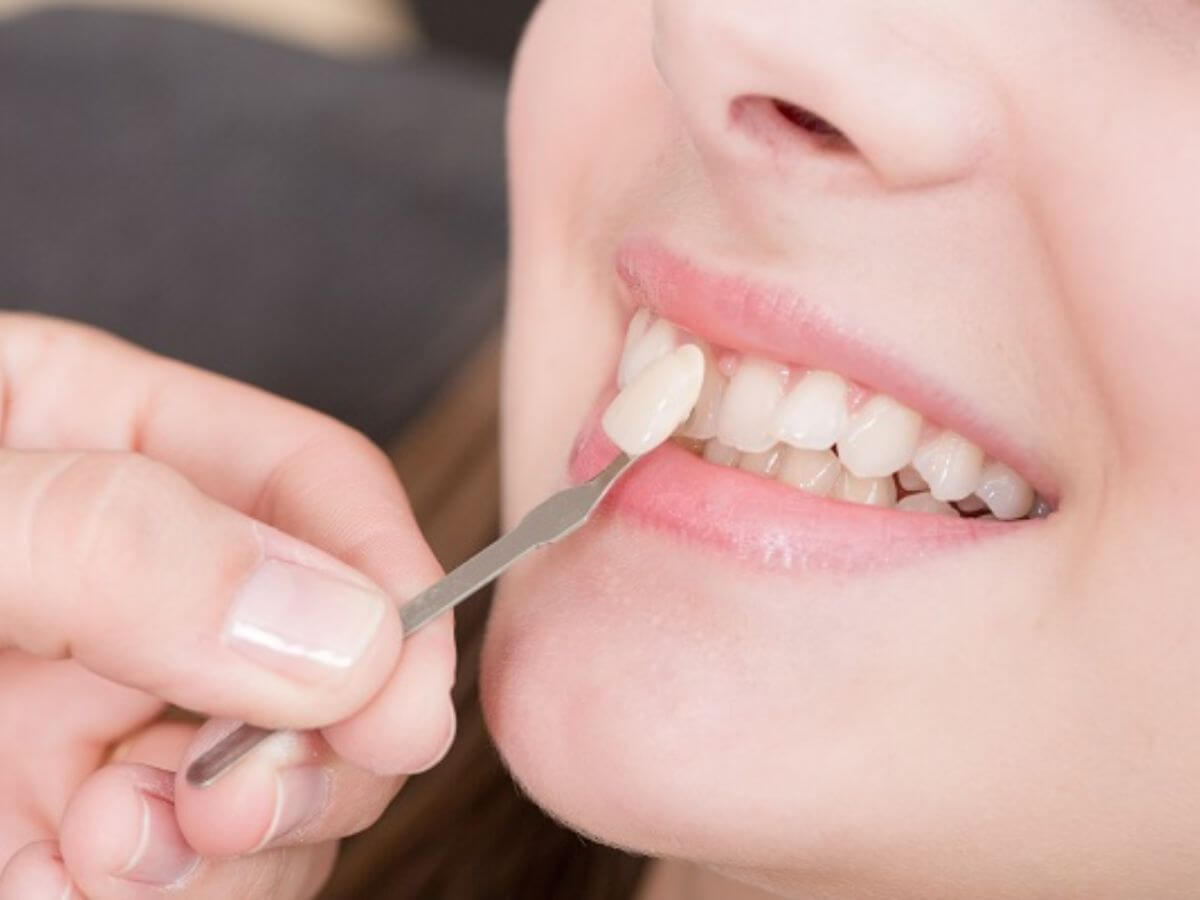
Colgate notes that the colour of a veneer can be adjusted with the shade of cement used during bonding, and that choosing the right shade is a key part of the planning process. A dentist in South Delhi may use a dental shade guide, a set of reference samples used to compare tooth colour, allowing the dentist and patient to evaluate options under different lighting conditions before committing to a shade.
Veneers evaluated only under clinical lighting may look very different in natural daylight or indoor settings, which is why shade assessment in varied conditions is considered good clinical practice.
The goal of natural-looking shade selection is to achieve a result that complements the patient’s individual colouring, not to achieve the whitest possible appearance, which can look striking in photographs but artificial in everyday life.
How Does Translucency Affect the Natural Appearance of Veneers?
Translucency is the quality that allows light to pass partially through a material rather than reflecting entirely off its surface. Natural tooth enamel is translucent, it allows light to enter and interact with the underlying dentin before reflecting back, which gives teeth their characteristic depth and warmth. A veneer that is too opaque will appear flat and plastic-like, lacking the visual depth of a natural tooth.
High-quality ceramic materials, particularly lithium disilicate ceramics, can be manufactured in varying translucency levels, allowing the dental technician to select and calibrate translucency to suit the individual tooth and surrounding dentition. Research published in the International Journal of Dentistry in 2024 confirmed that different ceramic material types and cement shades produce different levels of colour change in laminate veneers, and that careful selection of both material and cement shade can minimise undesirable colour shifts.
Getting translucency right requires close communication between the dentist, the dental laboratory technician, and an understanding of the patient’s natural tooth characteristics. When translucency is well matched to the surrounding teeth, the veneer appears as a natural extension of the smile rather than a separate, identifiable addition.
How Do Shape and Proportions Influence How Natural Veneers Look?
Natural teeth vary in width, length, and edge shape, giving each smile its own character. Veneers that look too uniform, rectangular, or identical can appear artificial because they lack these natural variations.
Shape planning considers facial features, lip shape, smile width, and tooth visibility during different expressions. A shape that suits one person may not suit another.
A diagnostic mock-up allows patients and dentists to preview the proposed veneer shapes before tooth preparation begins. This helps assess how the veneers may look with the patient’s facial features and make adjustments to the planned appearance before treatment proceeds.
What Role Does Ceramic Material Quality Play?
Not all ceramic materials used for veneers have the same optical properties. The material from which a veneer is made directly influences how it interacts with light, how translucent it can be, how well it can be customised to match surrounding teeth, and how natural it appears over time.
Commonly used ceramic veneer materials include:
- Lithium disilicate (e.g. IPS e.max), known for its combination of strength and optical properties that allow for fine control of translucency and shade, making it a widely used material for veneers where natural appearance is a priority
- Feldspathic porcelain, a highly aesthetic material with excellent translucency, often used by skilled dental technicians for cases where maximum natural appearance is the primary goal; it is more technique-sensitive during fabrication
- Zirconia, extremely strong and increasingly used for posterior restorations; full-contour zirconia can be less translucent than lithium disilicate, though newer formulations have improved aesthetic properties
The choice of ceramic material is made in conjunction with the clinical requirements of the individual case, the condition of the underlying teeth, and the patient’s aesthetic goals. No single material is universally superior for every patient, the appropriateness of a material depends on the individual situation, which your dentist can assess and discuss during a consultation.
How Does Laboratory Craftsmanship Affect the Outcome?
The dental laboratory technician plays an important role in creating natural-looking ceramic veneers. Even with accurate impressions and proper shade selection, the final appearance depends on the technician’s skill and craftsmanship.
Experienced technicians can add subtle colour variations, surface texture, and translucency to help veneers resemble natural teeth. Techniques such as ceramic layering and characterisation require technical knowledge and careful attention to detail.
Communication between the dentist and laboratory is equally important. Sharing photographs, shade records, and clear aesthetic preferences helps guide the fabrication process. Careful coordination between both professionals can contribute to veneers that complement the patient’s natural teeth and overall appearance.
What Is the Role of Clinical Technique at Placement?
The precision of tooth preparation and bonding technique at the time of veneer placement also affects the final appearance. Veneers that are not well-seated, that have visible gaps at the margins, or that are bonded with a cement shade that does not complement the ceramic can appear less natural than intended.
WebMD notes that the veneer colour can be adjusted with the shade of cement used, meaning the choice of bonding cement is not merely a structural decision but an aesthetic one.
Careful margin preparation, appropriate cement shade selection, and meticulous removal of excess cement are all part of ensuring that the final bonded veneer sits flush with the tooth surface and presents a seamless transition between the veneer edge and the natural tooth.
Frequently Asked Questions
Why do some veneers look fake or artificial?
Veneers may look artificial due to overly white shades, insufficient translucency, incorrect shapes, or poor laboratory work. Careful planning and shade selection can help achieve a natural appearance.
Is the whitest shade of veneer the most natural looking?
No. Natural teeth have subtle colour variations and translucency. Choosing a shade that complements your skin tone and existing teeth can create a more natural look.
Does the type of ceramic material affect how natural veneers look?
Yes. Different ceramic materials vary in translucency, colour, and light reflection. Your dentist can recommend a suitable material based on your dental needs and aesthetic goals.
How important is the dental laboratory in producing natural-looking veneers?
The dental laboratory plays an important role in shaping, shading, and finishing veneers. Clear communication between the dentist and technician helps achieve the planned appearance.
Can veneers be adjusted after placement if they do not look natural?
Minor changes to polish, surface texture, or bite may be possible. Significant shade or shape changes often require veneer replacement, making careful planning essential before treatment.
Talk to Your Dentist in Delhi
If you are considering ceramic veneers, a detailed consultation can help you understand what influences a natural-looking result.
Factors such as tooth shape, facial features, ceramic material, laboratory craftsmanship, and proper placement all contribute to the final appearance. Since every smile is different, results cannot be guaranteed and depend on your individual dental needs.
At Smile Delhi – The Dental Clinic, we discuss your aesthetic goals, assess your existing teeth, and explain the available options before treatment begins. Our team helps you understand realistic expectations and make informed decisions about your smile. Schedule a consultation at our Delhi clinic to discuss your veneer options.
Sources:
- WebMD, Dental Veneers: What Are They and What Do They Do? https://www.webmd.com/oral-health/guide/veneers
- Healthline, Dental Veneers: Everything You Need to Know https://www.healthline.com/health/dental-veneers
- Colgate Oral Health Center, How Porcelain Dental Veneers Can Rebuild Your Smile
https://www.colgate.com/en-us/oral-health/veneers/how-porcelain-dental-veneers-can-rebuild-your-smile-0614 - ADA MouthHealthy, Veneers
https://www.mouthhealthy.org/en/az-topics/v/veneers

Dr. Suprriya B. Bhatia is a highly experienced dental professional with over 25 years of clinical expertise. A leading dentist in South Delhi, she is the founder of Smile Delhi – The Dental Clinic and specialises in cosmetic dentistry, dental implants, and smile makeovers. Dr. Suprriya B. Bhatia is known for her compassionate, patient-centred approach and commitment to creating healthy, confident smiles for patients from India and abroad.


"Extremely good service and care..."
Tim Gound
Location:- U. K.


"The standard of the clinic is like a first country’s clinic..."
PEDRO MORAES
Location:- Brazil


"Me and my family were very reluctant to undergo my dental treatment in India, but..."
RICHARD SALDANHA
Location:- Peru, South America


"The hygiene is good, the care up to European standards if not better. Strong on explaining..."
THOMAS BAINS
Location:- European Commission
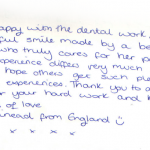
"A new beautiful smile made by a beautiful lady who truly cares for her patients..."
Sinead
Location:- England
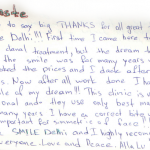

"I have the smile of my dream….This clinic is very professional and they use only best materials..."
Alla Lu
Location:- Russia


"Thank you so much for making my dream come true to have a perfect smile..."
Jacyln Gopinathan
Location:- Mindro Philippines


"I felt very comfortable through my treatment and i had 100% trust in you..."
Arnar Gislason
Location:- Iceland

"Thank you for giving me a smile that i’ve dreamed of for years..."
Yuto Harrison
Location:- Canada

"Dr. Suprriya’s work was amazing…. She is super professional and polite..."
Todd
Location:- Australia


"Dr. Suprriya is such a lovely and warm hearted woman as well as a truly and high qualified professional..."
Victor Vique
Location:- Switzerland


"After travelling all through India and visiting 7 different clinics, this..."
JEFF MC CLEAN
Location:- New Zealand

"From the moment i got here i knew i had made the right decision."


"Thank you so much, Dr. Suprriya! I am so grateful for you and your practice."

"Very attentive and grateful for the results. I will keep in Touch"

"You saved my teeth. Lovely clinic and very professional staff..."


"My teeth are 7-8 shades whiter, thanks to you and your team..."

"Thank you very much dr. suprriya for wonderful treatment for implants and bridge and giving me my smile back."

"Felt in good hands during the whole treatment..."

"Visited many dentist around the world and smile delhi definitely gives you a great smile..."

"Over all experience was wonderful…"
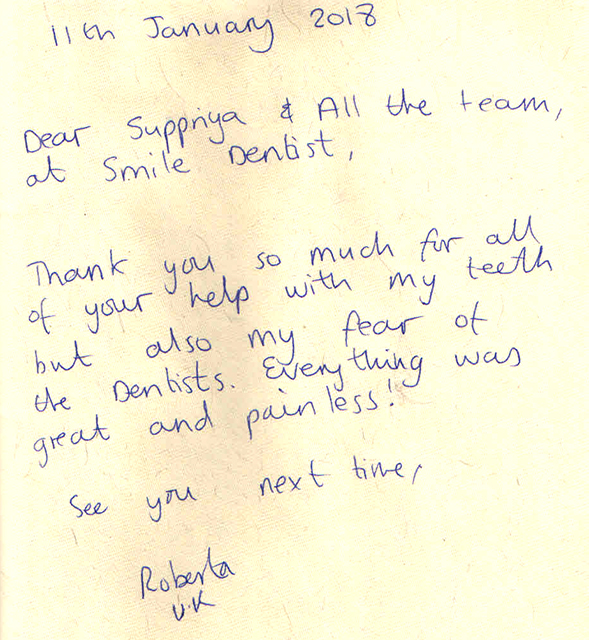
"Every thing was great and pain less !....."
Roberta
Location:- UK

"Dr. Suprriya is such a lovely and warm hearted woman as well as a..."
Victor
Location:- Switzerland
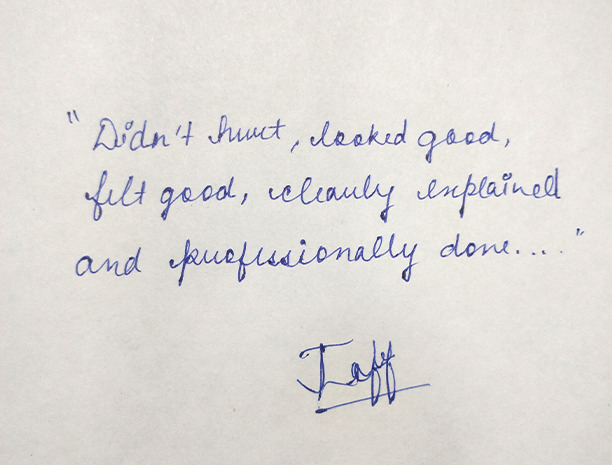

"Didn’t hurt, looked good, felt good, clearly explained and professionally done..."
Jeff
Location:- New zealand

"Dr. Supria is a unic dentice and an exellent person..”, “…honest and direct.."
Yaron Mayer
Location:- Israel Embassy

"Dr. Suprriya is very gentle and excellent human being. A perfect Dentist I...."
Uarely
Location:- Finland


"You treated me gentle as a child!..."
Andreas
Location:- Norway


"You are probably one of the best dentist I have ever been to in the last 50 years..."
Usama
Location:- Saudi Arabia
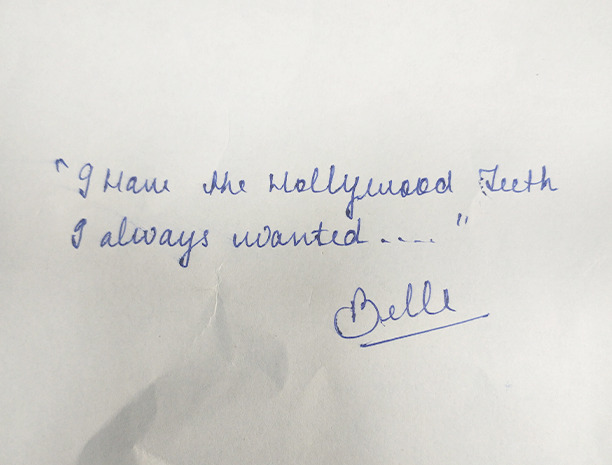

"I have the Hollywood teeth I always wanted…"
Belle
Location:- Canada
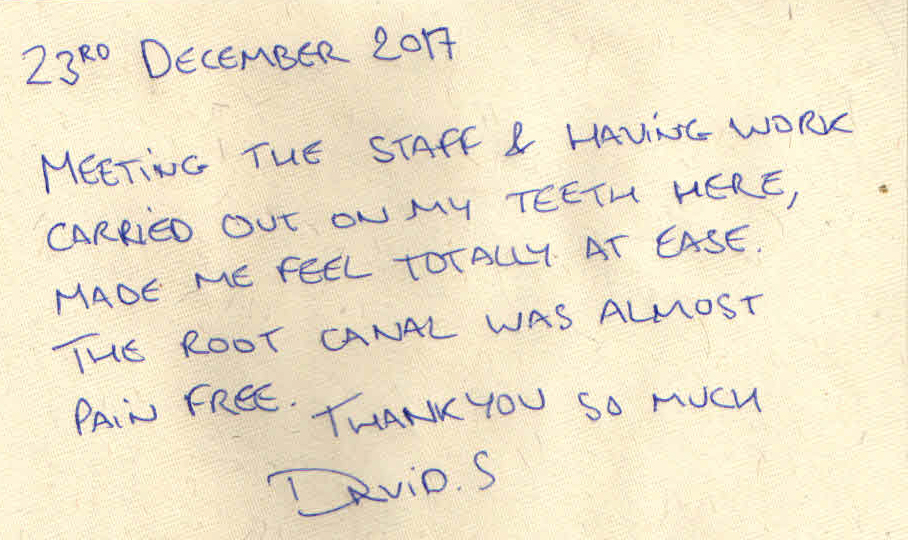
"The root canal was almost pain free....."
David Seeley
Location:- UK
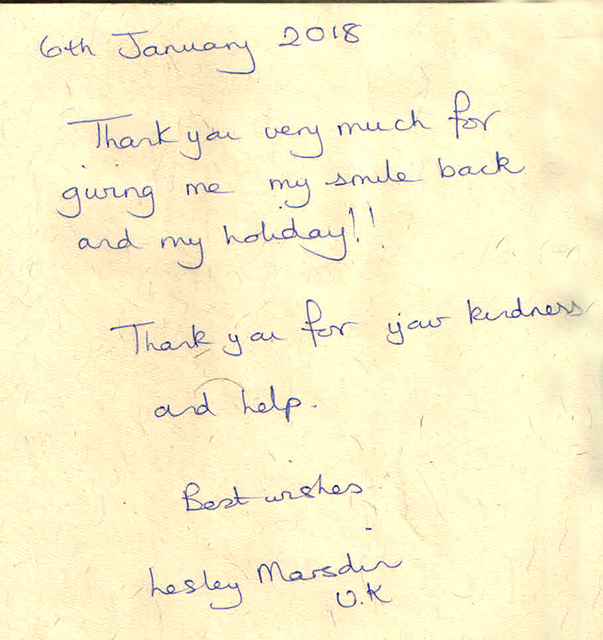
"Thank You very much for giving me my smile back and my holiday!....."
Lesley Marsdin
Location:- UK

"I even laughed when they screwed the posts in ! very professional even enjoyed it a bit"
Laurewce Moon
Location:- UK
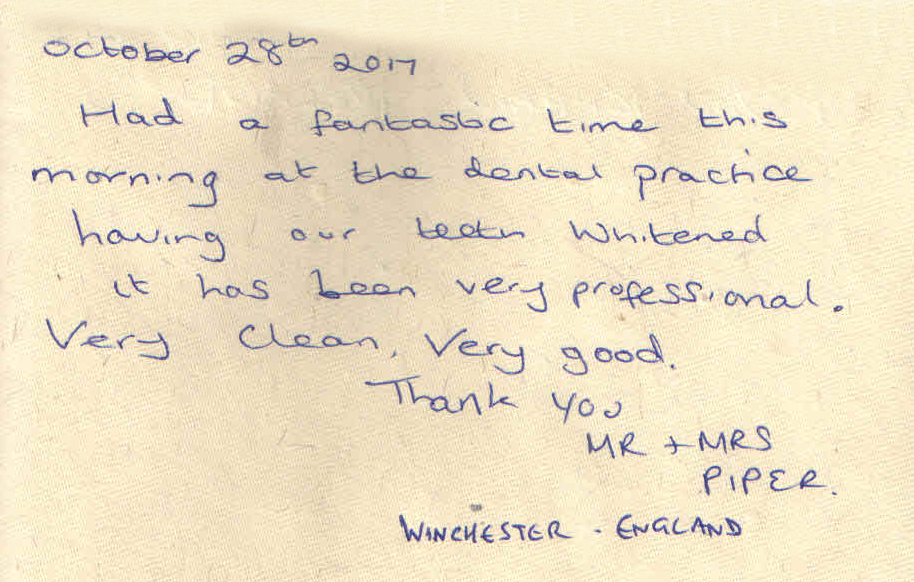
"It has been very professional. Very clean, very good......"
Mr. & Mrs. Piper
Location:-Winchester, England

"My emergency treatment was incredible kind and 1st class....."
Kevin Kahan
Location:- Ireland
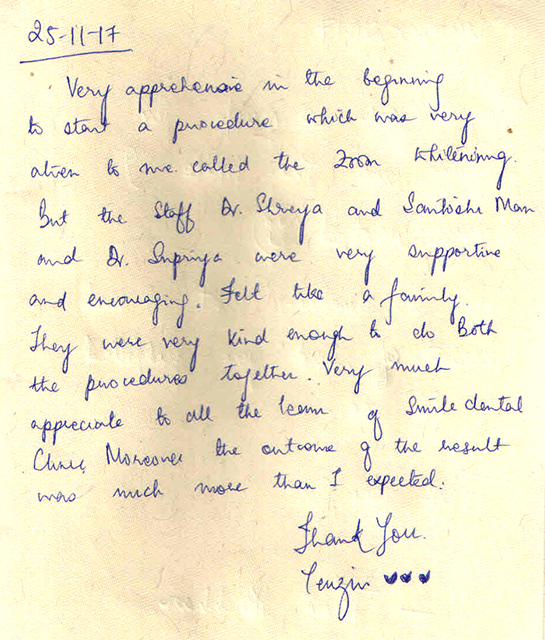

"The result was much more than I expected in zoom whitening....."
Tenzin
Location:- Bhutan
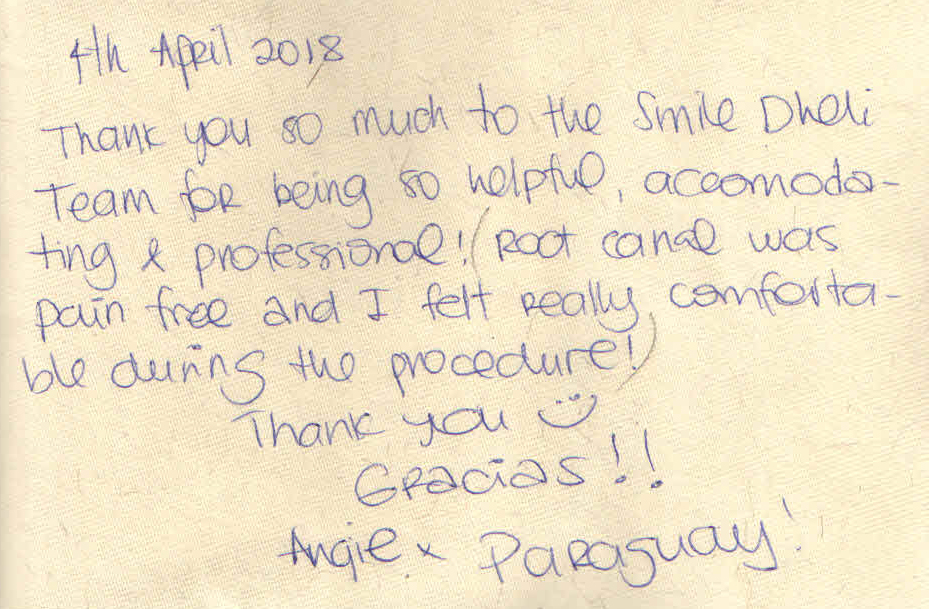

"Root canal was pain free and i felt really comfortable during the procedure....."
Angie
Location:- Paraguay
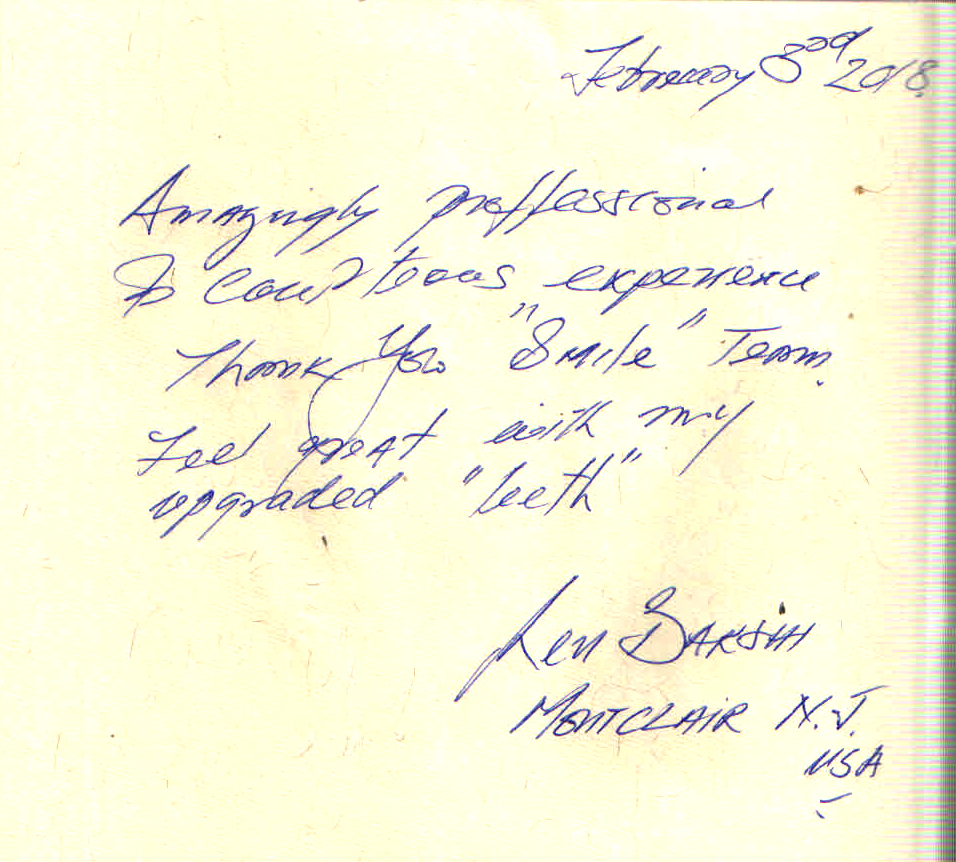
"Amazingly professional and courteous experience......"
Ken Bakshi
Location:- USA

"I had my teeth whitened amazing results!"
Paula Davey
Location:- Australia


"I would like to have sometimes so good dentist in Europe like Dr Suprriya..."
DANNY
Location:- Austria

"I would highly recommend Suprriya to anyone seeking good oral health care..."
ALLISON WEST
Location:- Australia


"Dr Suprriya, I just want to thank you for the very well done..."
MARIO
Location:- Columbia (Diplomat in India)