Dental Surgeries in South Delhi: Advanced Dentistry
What Are Dental Surgeries?
Dental surgeries involve specialised dental procedures that help restore, repair, or enhance oral structures. These forms of dental treatment include surgical tooth removal, gum surgeries, implant placement, cyst removal, bone grafting, and full-arch rehabilitation. They support better chewing, clearer speech, improved oral health, and a confident smile.
Many patients require dental surgery after severe decay, infection, gum disease, injury, or long-standing oral issues. In many cases, timely dental care can prevent complications, but when problems have advanced, surgical solutions become essential for restoring stability and function.
At Smile Delhi – The Dental Clinic, recognised as one of the best dental centres in New Delhi, we offer personalised surgical care whether you require a simple extraction, implant surgery in South Delhi.
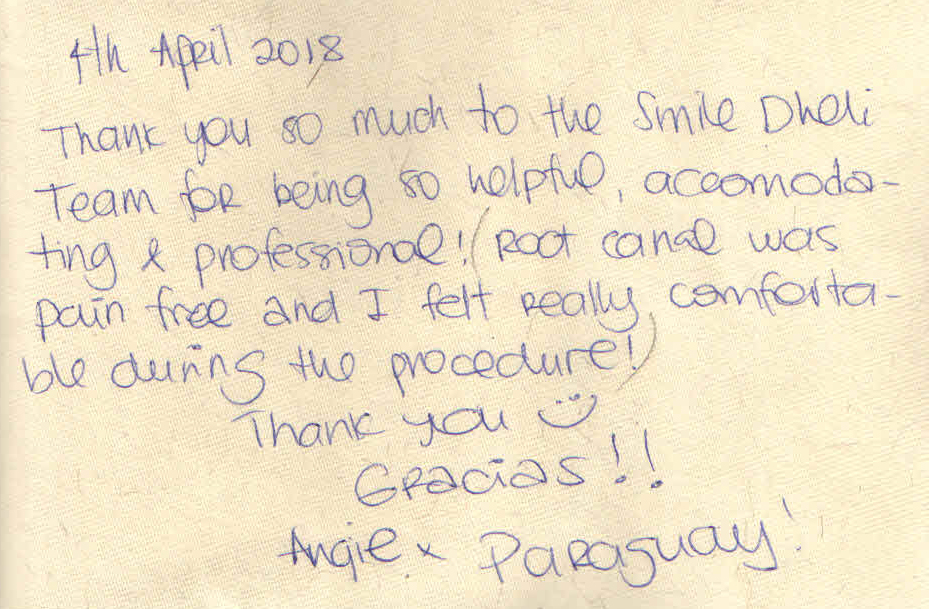
Our team also provides treatments that complement surgery, such as root canal treatment, ensuring your smile is restored with precision and comfort. Every step of your care is carefully planned to ensure a safe experience with predictable outcomes.
Advanced surgical techniques are minimally invasive, comfortable, and designed for long-term stability. These procedures enhance the quality of your smile through improved function, better aesthetics, and protection of bone and gum health.
The cost of dental surgery varies based on the type of procedure, materials used, and your oral condition. Our experts guide you toward the best option for long-term comfort and function, helping you choose the most suitable dental surgeries in South Delhi for lasting oral wellbeing.
Types of Dental Surgeries in South Delhi
-
Dental Implant Surgery
Implant surgery involves placing titanium posts into the jawbone to replace missing roots and support artificial teeth. This advanced option offers a permanent solution that looks and feels natural. Our specialists provide single implants, full-arch restoration, and All-on-4 surgeries for strong, stable results. Many patients choose implants as part of a broader smile makeover or cosmetic enhancement, especially when combined with teeth whitening or other restorative dental services offered at our clinics in Delhi.
-
Wisdom Tooth Extraction (Surgical Removal)
Impacted or painful wisdom teeth may require surgical removal to prevent infection or crowding. At our dental clinic in Delhi, the procedure is done using advanced imaging and gentle techniques to ensure comfort and faster recovery. Our team is recognised among the top dentist groups in the region for safe and effective surgical care.
-
Gum Surgery (Periodontal Surgery)
These procedures treat gum infection, recession, and bone loss. From flap surgery to regenerative treatments, our clinic provides gum surgeries that restore tissue health and prevent further deterioration. Patients seeking a healthier foundation for a cosmetic upgrade or smile makeover also benefit from these specialised dental services performed by experienced professionals at our clinics in Delhi.
-
Dental Bone Grafting
Bone grafting helps rebuild bone in areas where it has deteriorated, often preparing the site for dental implant surgery. We use modern grafting materials and precise 3D planning to ensure optimal results. Many patients choose bone grafting as part of a long-term oral rehabilitation plan at our dental clinic in Delhi, where implant care, cosmetic procedures, and teeth whitening treatments are also available.
-
Root-End Surgery (Apicoectomy)
When a root canal is not enough to eliminate infection, root-end surgery targets the affected area and preserves the natural tooth. This microscopic-level procedure is often recommended by our top dentist professionals, especially for patients wanting to maintain their natural teeth before undergoing any cosmetic or smile makeover procedures.
-
Full-Mouth Surgical Rehabilitation
For patients with extensive oral damage, we provide comprehensive surgical solutions combining implants, grafting, and restorative work for a complete transformation. This approach not only restores chewing strength and oral function but also supports a dramatic smile makeover. Many patients choosing full-mouth rehabilitation at our clinics in Delhi complement their treatment with teeth whitening, veneers, or other cosmetic enhancements as part of our advanced dental services.
Signs You May Need Dental Surgery
If you’re wondering whether it’s time to explore advanced treatment for a dental problem, here are some common signs that indicate you may benefit from specialised procedures offered by an experienced dentist in South Delhi or the top dentist in Delhi:
- Persistent tooth pain or recurring infection that does not improve over time
- Swelling, bleeding, or deep gum pockets that signal progressing gum concerns
- Difficulty chewing or biting due to damaged or missing teeth
- Jaw discomfort, stiffness, or clicking that affects daily movement
- Bone loss or gum recession creating long-term structural weakness
- Impacted wisdom teeth causing pressure, pain, or crowding
- Cysts, growths, or structural abnormalities detected during routine visits
- Teeth shifting or drifting due to long-standing untreated issues
- Aesthetic concerns that impact self-confidence or natural smile harmony
Ignoring these signs can lead to long-term oral complications, including chronic infection, progressive bone loss, gum deterioration, and functional issues. Seeking timely care from a trusted dentist in Delhi ensures you receive accurate diagnosis and guidance.
Skilled professionals at modern dental practices will recommend the most suitable surgical option whether implant placement, gum procedures, or corrective treatments to restore comfort, stability, and long-term oral health.
Your dentist will also explain each recommended procedure and help you understand the safest and most effective approach for rebuilding function, confidence, and overall wellbeing.

Benefits of Dental Surgeries in South Delhi
Choosing advanced dental surgeries at Smile Delhi – The Dental Clinic offers transformative oral health benefits. Our modern techniques allow you to eat, speak, and smile comfortably again. Whether you need a single procedure, full-mouth surgical care, or complementary treatments such as a brace or cosmetic dentistry, our team delivers trusted, long-lasting results. As one of the best dentist in Delhi teams, we focus on precise, painless and personalised care for every patient.
1. Restored Chewing and Comfort
Surgical treatments eliminate pain, infection, and instability, allowing you to enjoy a stronger bite and better oral function. This helps patients who struggle with issues like bad breath caused by deep infections or untreated dental problems.
2. Enhanced Appearance & Natural Smile
Corrective surgeries improve tooth alignment, gum symmetry, bone support, and overall facial aesthetics. These procedures can be combined with cosmetic options if needed, giving you a confident, natural-looking smile.
3. Improved Speech & Daily Function
Issues caused by damaged or missing teeth are corrected through procedures that support clear pronunciation and smooth oral movement beneficial for adults, seniors, and even pediatric patients when appropriate.
4. Comfortable, Modern Procedures
With minimally invasive methods, digital imaging, and precision tools, today’s dental surgeries offer superior comfort, faster healing, and a painless experience wherever possible. This ensures a smoother journey for anyone searching for dentists near their home or workplace.
5. Bone & Tissue Preservation
Surgeries such as implant placement and bone grafting stimulate bone growth and prevent long-term facial sagging or deterioration. This provides essential support for future dental work, including braces or restorative procedures.
6. Better Oral Hygiene & Health
Addressing infections, cysts, or structural defects helps protect adjacent teeth and promotes long-term oral stability. This also reduces recurring issues such as gum inflammation or bad breath, improving daily freshness and comfort.
7. Long-Term Results & Durability
Modern surgical procedures are designed to last for many years when paired with proper care and routine check-ups. At Smile Delhi – The Dental Clinic, you receive expert guidance from some of the best dentist in Delhi, ensuring durable outcomes for patients looking for advanced dental care near you in South Delhi.
Dental Surgery Process in South Delhi
Our process ensures comfort, precision, and predictable results. Whether you require a simple surgical extraction or a full-mouth rehabilitation, we follow a structured approach tailored to your individual needs. With experienced dentists and a highly skilled surgical team, you can expect exceptional care at every step from a trusted dentist in South Delhi.
1. Comprehensive Consultation & 3D Diagnosis
Your visit begins with a detailed evaluation, digital imaging. This helps our specialists assess bone density, tooth structure, and tissue health for precise planning. When you visit our dental clinic, our dentist in New Delhi also evaluates your overall dental health, including orthodontic needs such as Invisalign, ensuring a complete understanding of your oral condition.
2. Personalised Surgical Treatment Plan
Using advanced digital planning software, we create a clear roadmap for your procedure. Each surgical option is explained, including expected outcomes and cost details. Our experienced dentists ensure you receive a customised treatment plan that aligns with your comfort and long-term oral health goals.
3. Surgical Procedure
The surgery depends on the treatment required—implant placement, gum surgery, extraction, cyst removal, or bone grafting. Our clinic ensures a comfortable, sterile, and safe experience. Every procedure is performed by a highly experienced team that prioritises safety and predictable results.
4. Healing, Follow-Ups & Adjustments
We monitor your healing closely and make adjustments when necessary to ensure proper integration and comfort. Regular follow-ups at our clinic allow our dentist in New Delhi to maintain close supervision over your progress and overall dental health.
5. Final Restorations (If Needed)
For surgeries involving implants or reconstructive work, the final crowns, bridges, or dentures are placed once healing is complete. Our experienced dentists ensure that your final restorations match your bite, smile, and facial aesthetics seamlessly.
6. Long-Term Care & Maintenance
We provide guidance on oral care, hygiene practices, and routine check-ups to protect your investment and maintain long-lasting results. Whether you need maintenance after surgery or are exploring cosmetic options like Invisalign, your ongoing dental health remains our priority each time you visit our dental clinic.
Cost of Dental Surgeries in South Delhi
Costs vary depending on the type of surgery, complexity of the case, bone and gum health, and materials used. The need for advanced diagnostics like 3D imaging can also affect pricing. Clinics offering advanced surgical dentistry or known for dental excellence may charge slightly more due to precision and comfort. Even so, many focus on affordable dental care while still being supported by dental experts. Prices may also vary compared to regular dental treatments, and additional procedures like grafting or crown placement can influence the final cost.
💡 Want an exact quote?
Contact Smile Delhi – The Dental Clinic for a detailed consultation and a personalised treatment plan.
Why Choose Smile Delhi – The Dental Clinic for Dental Surgeries in South Delhi?
- 26+ years of clinical expertise in surgical and restorative dentistry
- Advanced 3D imaging and digital surgical planning
- High-quality materials & internationally recognised systems
- Personalised treatment plans for every surgical case
- Comfort-focused environment with flexible EMI options
- Transparent pricing with no hidden fees
- Proven success in complex dental surgery cases