


Who Is a Good Candidate for Invisalign Treatment?
A straight smile is not only about looking good in photos. It plays a big role in how well you chew food, speak clearly, and keep your teeth clean every day.
When teeth are crowded or not lined up properly, it becomes harder to brush and floss, which can lead to dental problems over time. Because of this, many people start thinking about orthodontic treatment at some point in their lives.
At the same time, not everyone feels comfortable with traditional metal braces. Some people worry about pain, while others feel braces may draw too much attention at school, work, or social events.
This is why clear aligner treatment has become a popular option for both teens and adults. Even so, this type of treatment is not the best choice for every situation. Some people see great results, while others may need a different method.
This article explains, in simple and clear language, who is a good candidate for this treatment and who may need to consider other options.
What Is Invisalign Treatment?
Clear aligner treatment uses a set of transparent trays that fit over your teeth. These trays are made to gently move teeth into better positions over time.
Each tray is worn for a short period before switching to the next one, allowing gradual and controlled tooth movement. Unlike metal braces, these trays can be removed when eating, brushing, or flossing.
This makes daily routines easier for many people and allows them to enjoy their favourite foods without restrictions. Invisalign in South Delhi is one of the most recognised names for this type of treatment and is often chosen by people who want a more comfortable and low-profile way to straighten their teeth.
How Clear Aligners Move Teeth
Gradual and Controlled Pressure
Teeth do not move overnight. Clear aligners work by applying gentle pressure that slowly guides teeth into new positions. Each new tray makes small changes, which helps reduce discomfort and keeps movement steady and safe.
This gradual process is important because it allows the jawbone and gums to adjust as the teeth shift. Over time, these small movements add up to noticeable changes.
Because the pressure is light and planned, many patients find the experience easier to manage compared to traditional braces.
Why Consistent Wear Matters
For clear aligner treatment to work properly, the trays must be worn most of the day. In most cases, dentists recommend wearing them for about 20 to 22 hours daily. Removing them too often or forgetting to put them back in can slow progress and extend treatment time.
This is why responsibility is such an important factor. Patients who follow instructions closely tend to see smoother and more predictable results than those who wear trays only part of the day.
Ideal Age Groups for Invisalign Treatment
Teens Who Can Follow Instructions
Teenagers can be good candidates if they are responsible enough to wear, clean, and store their aligners properly. Clear trays are also less noticeable, which helps many teens feel more confident at school and during activities.
Adults Looking for a Subtle Option
Adults often choose clear aligners because they offer a discreet and flexible way to straighten teeth. The removable trays fit easily into work, social events, and travel without affecting daily routines.
Dental Issues That Can Be Treated
Mild to Moderate Crowding
Crowded teeth happen when there is not enough space in the jaw for all teeth to line up properly, which is one of the most common reasons people consider orthodontic treatment.
In such cases, visiting a dental clinic in south Delhi can help determine whether clear aligners are a suitable option, as they are designed to create space and gently guide teeth into better positions when crowding is mild to moderate.
Improving alignment not only enhances the appearance of the smile but also makes brushing and flossing easier, supporting better long-term oral health.

Small Gaps Between Teeth
Gaps between teeth may affect appearance and sometimes lead to food getting stuck. Clear aligners are often effective at closing small to medium gaps.
Over time, the trays bring teeth closer together, creating a more even smile. Closing gaps can also help reduce the risk of gum irritation caused by trapped food.
Minor Bite Problems
Some bite issues, such as a mild overbite or underbite, can be corrected with clear aligners. A dentist will carefully check how the upper and lower teeth meet to decide if aligners can guide the bite safely. Correcting minor bite problems can improve chewing and reduce uneven wear on teeth.
When Invisalign May Not Be the Best Choice
Severe Bite or Jaw Problems
Clear aligners have limits. People with large jaw differences or severe bite problems may need braces or other orthodontic treatments.
These cases often require stronger control and movement that aligners may not provide. A dentist or orthodontist can explain why another option may work better in these situations.
Teeth That Need Major Rotation
Teeth that are rotated at sharp angles can be harder to move with aligners alone. In such cases, braces or additional dental tools may offer better results. This does not mean aligners are ineffective, but they may not be the best choice for every type of tooth movement.
Patients Who Forget to Wear Trays
Because trays can be removed, treatment success depends heavily on patient habits. People who often forget to wear their trays or misplace them may struggle to see progress. For these patients, fixed braces may be a more suitable option.
Lifestyle Factors That Matter
Daily Routine and Discipline
Clear aligners work well for busy people who can wear them consistently during daily activities. Simple habits, like reminders, help maintain progress.
Eating and Snacking Habits
Because trays must be removed before eating, frequent snacking can affect wear time. Putting trays back in quickly after meals is important.
Oral Hygiene Habits
Regular brushing and flossing keep teeth healthy and prevent stains on the trays, supporting better results.
Comfort and Appearance Considerations
Clear aligners are smooth, comfortable, and less noticeable than braces. For people in south Delhi, this makes it easier to stay confident at work, college, and social events.
Health Requirements Before Starting Treatment
Healthy Gums and Teeth
Before starting aligner treatment, gums and teeth must be healthy. Problems like gum disease or untreated cavities should be treated first so teeth can move safely and smoothly.
No Active Dental Pain
Any dental pain or infection needs to be checked before treatment begins. Treating these issues early helps prevent discomfort during the alignment process. A dental visit confirms whether the mouth is ready for aligners.
The Role of Dental Assessment
A dental assessment helps decide if aligners are suitable. Dentists use scans or impressions to create a treatment plan, showing how teeth will move and how long the process may take. This helps patients set clear and realistic expectations.
Commitment and Time Expectations
Average Treatment Length
Treatment time varies from person to person. Many cases are completed within 6 to 18 months, depending on the level of correction needed. Mild cases may finish sooner, while others require more time.
Follow-Up Visits
Regular check-ups allow the dentist to track progress and make adjustments if needed. These visits are usually short and help keep treatment on schedule.
Cost Awareness and Planning
Clear aligner treatment can cost more than basic braces, depending on the case. Understanding the full cost at the start helps patients plan better. Some clinics offer flexible payment options to make treatment more manageable.
For patients in south delhi, discussing cost and treatment length early can prevent confusion later and help set clear expectations.
Real-Life Patient Examples
A college student with mild crowding may complete treatment in under a year by wearing trays as advised.
An office professional with small gaps may see steady improvement while maintaining a polished appearance at work. These examples show how results depend on both dental needs and daily habits.
Is Invisalign Right for You?
Choosing this treatment depends on dental condition, lifestyle, and commitment. Invisalign works best for people who want a subtle option and are willing to wear trays consistently. A dental consultation is the best way to find out if this approach matches your needs and goals.
Conclusion
Clear aligner treatment can be a smart option for teens and adults with mild to moderate alignment concerns.
It offers comfort, flexibility, and a discreet way to improve your smile without disrupting daily routines. However, success depends on commitment, good oral hygiene, and following professional advice closely.
A proper dental examination helps determine if aligners are suitable and sets realistic expectations from the start. If you’re considering a straighter smile and want clear, honest guidance, a professional consultation makes all the difference.
At Smile Delhi – The Dental Clinic, patients receive simple explanations and steady support, helping them choose the right path for long-term oral health with confidence.
Sources:
- https://www.nhs.uk/tests-and-treatments/orthodontics/treatments/
- https://adanews.ada.org/ada-news/2024/august/first-us-standard-on-clear-aligners-available-for-comment/
- https://www.betterhealth.vic.gov.au/health/conditionsandtreatments/orthodontic-treatment
- https://www.fda.gov/consumers/consumer-updates/braces-have-changed-metal-tooth-colored-clear

Dr. Suprriya B. Bhatia is a highly experienced dental professional with over 25 years of clinical expertise. A leading dentist in South Delhi, she is the founder of Smile Delhi – The Dental Clinic and specialises in cosmetic dentistry, dental implants, and smile makeovers. Dr. Suprriya B. Bhatia is known for her compassionate, patient-centred approach and commitment to creating healthy, confident smiles for patients from India and abroad.


"Extremely good service and care..."
Tim Gound
Location:- U. K.


"The standard of the clinic is like a first country’s clinic..."
PEDRO MORAES
Location:- Brazil


"Me and my family were very reluctant to undergo my dental treatment in India, but..."
RICHARD SALDANHA
Location:- Peru, South America


"The hygiene is good, the care up to European standards if not better. Strong on explaining..."
THOMAS BAINS
Location:- European Commission
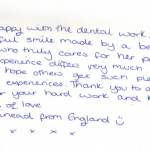
"A new beautiful smile made by a beautiful lady who truly cares for her patients..."
Sinead
Location:- England
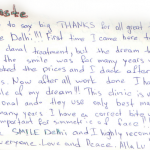

"I have the smile of my dream….This clinic is very professional and they use only best materials..."
Alla Lu
Location:- Russia


"Thank you so much for making my dream come true to have a perfect smile..."
Jacyln Gopinathan
Location:- Mindro Philippines


"I felt very comfortable through my treatment and i had 100% trust in you..."
Arnar Gislason
Location:- Iceland
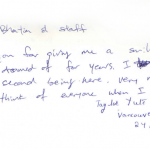

"Thank you for giving me a smile that i’ve dreamed of for years..."
Yuto Harrison
Location:- Canada
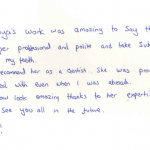

"Dr. Suprriya’s work was amazing…. She is super professional and polite..."
Todd
Location:- Australia


"Dr. Suprriya is such a lovely and warm hearted woman as well as a truly and high qualified professional..."
Victor Vique
Location:- Switzerland


"After travelling all through India and visiting 7 different clinics, this..."
JEFF MC CLEAN
Location:- New Zealand

"From the moment i got here i knew i had made the right decision."


"Thank you so much, Dr. Suprriya! I am so grateful for you and your practice."

"Very attentive and grateful for the results. I will keep in Touch"

"You saved my teeth. Lovely clinic and very professional staff..."


"My teeth are 7-8 shades whiter, thanks to you and your team..."

"Thank you very much dr. suprriya for wonderful treatment for implants and bridge and giving me my smile back."


"Felt in good hands during the whole treatment..."

"Visited many dentist around the world and smile delhi definitely gives you a great smile..."


"Over all experience was wonderful…"
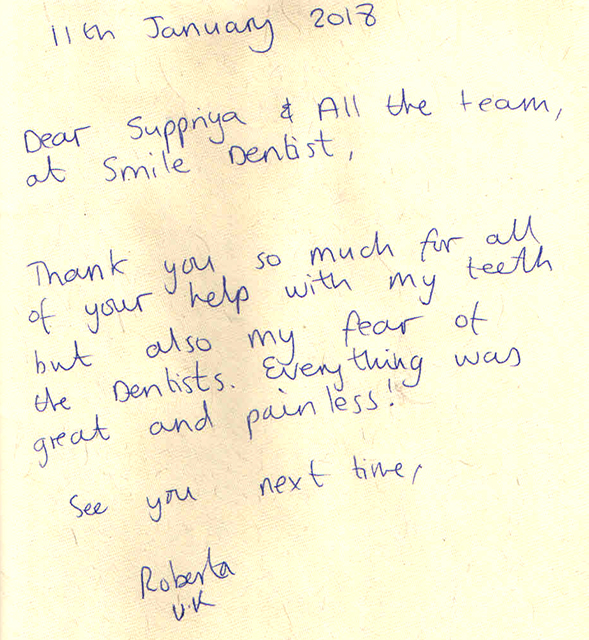
"Every thing was great and pain less !....."
Roberta
Location:- UK

"Dr. Suprriya is such a lovely and warm hearted woman as well as a..."
Victor
Location:- Switzerland


"Didn’t hurt, looked good, felt good, clearly explained and professionally done..."
Jeff
Location:- New zealand

"Dr. Supria is a unic dentice and an exellent person..”, “…honest and direct.."
Yaron Mayer
Location:- Israel Embassy

"Dr. Suprriya is very gentle and excellent human being. A perfect Dentist I...."
Uarely
Location:- Finland


"You treated me gentle as a child!..."
Andreas
Location:- Norway


"You are probably one of the best dentist I have ever been to in the last 50 years..."
Usama
Location:- Saudi Arabia
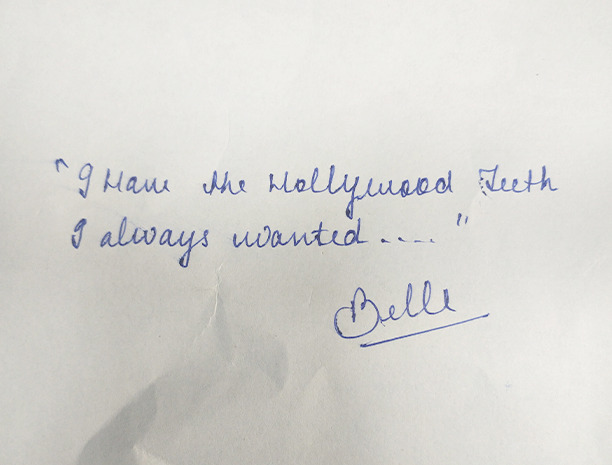

"I have the Hollywood teeth I always wanted…"
Belle
Location:- Canada
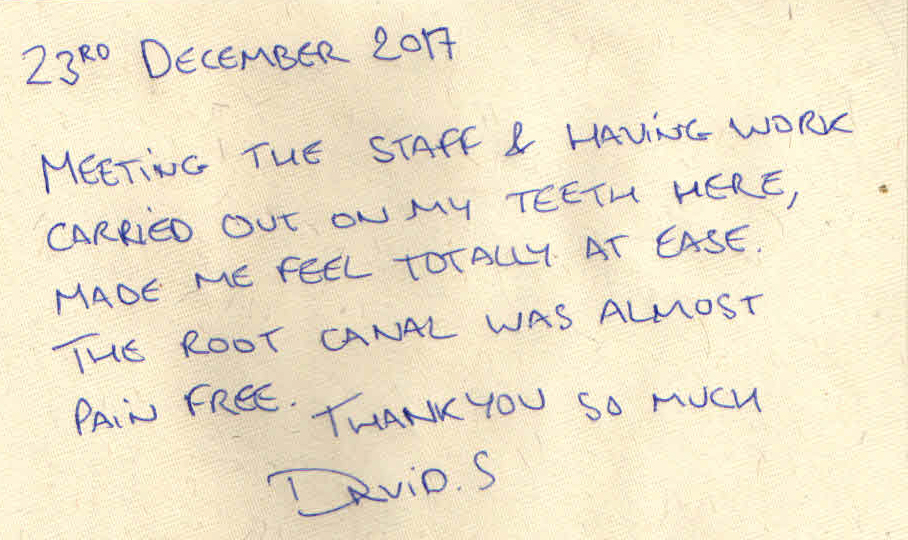
"The root canal was almost pain free....."
David Seeley
Location:- UK
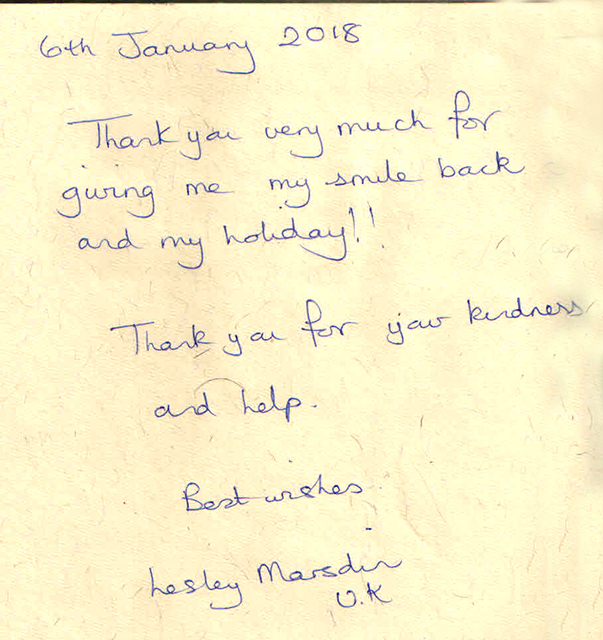
"Thank You very much for giving me my smile back and my holiday!....."
Lesley Marsdin
Location:- UK

"I even laughed when they screwed the posts in ! very professional even enjoyed it a bit"
Laurewce Moon
Location:- UK
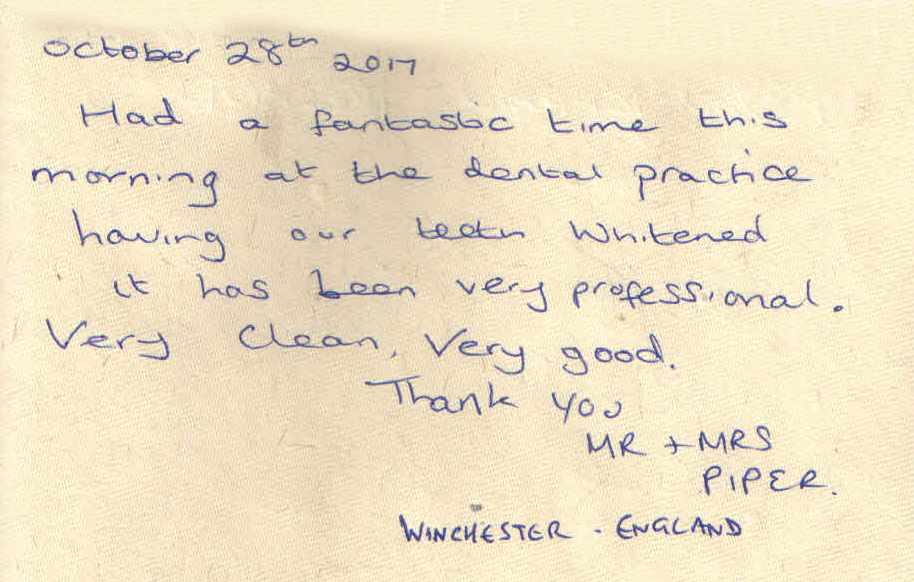
"It has been very professional. Very clean, very good......"
Mr. & Mrs. Piper
Location:-Winchester, England

"My emergency treatment was incredible kind and 1st class....."
Kevin Kahan
Location:- Ireland
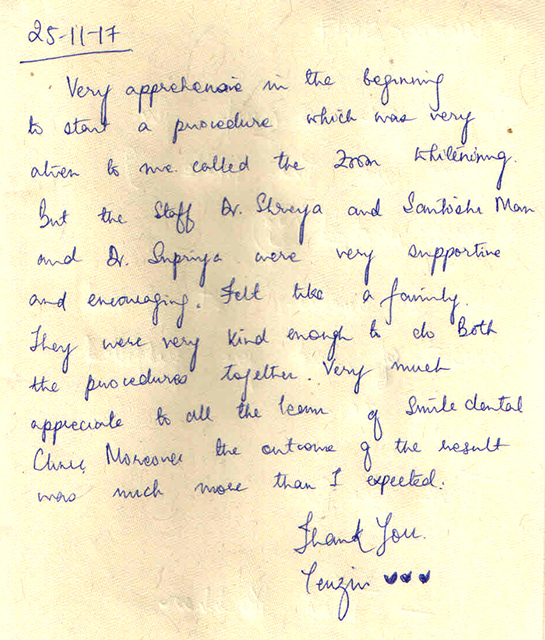

"The result was much more than I expected in zoom whitening....."
Tenzin
Location:- Bhutan
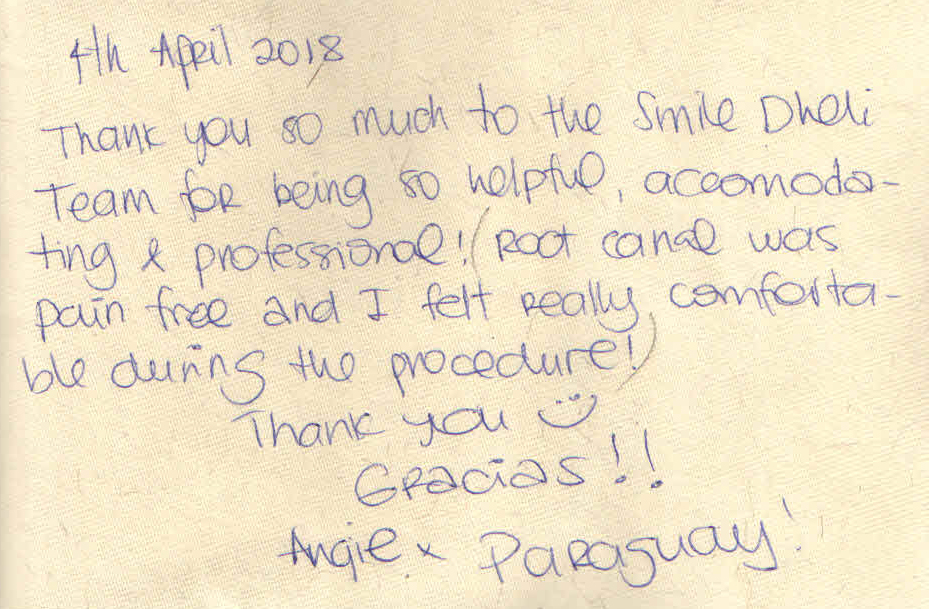

"Root canal was pain free and i felt really comfortable during the procedure....."
Angie
Location:- Paraguay
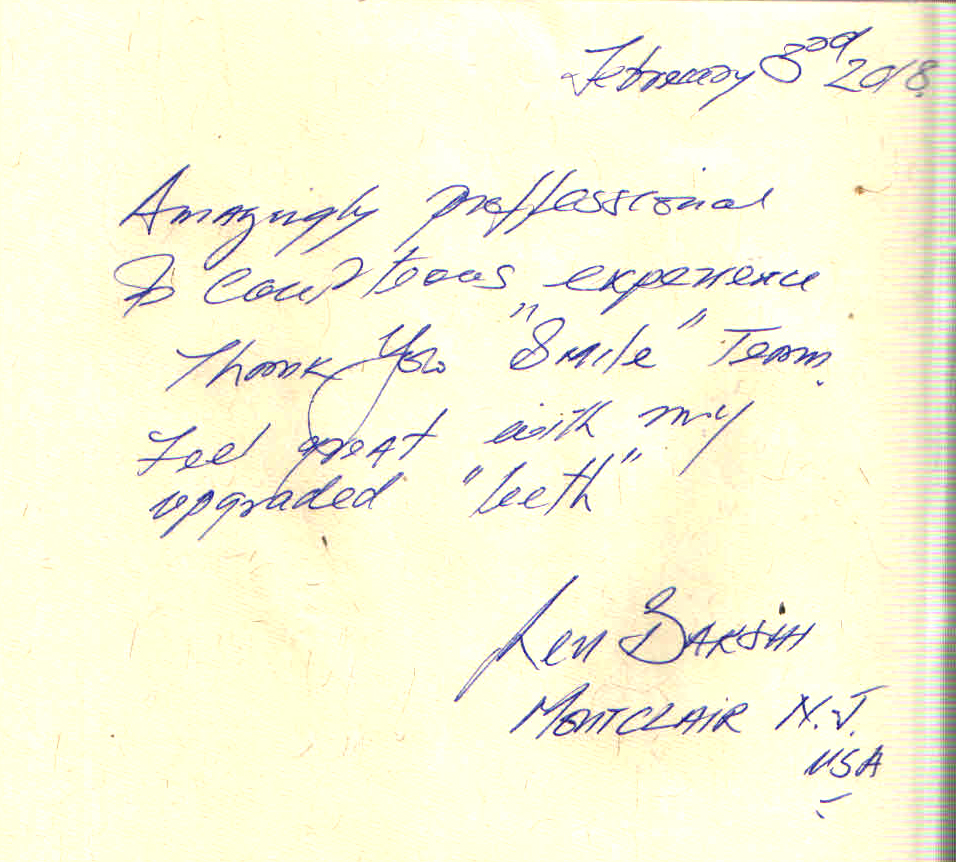
"Amazingly professional and courteous experience......"
Ken Bakshi
Location:- USA


"I had my teeth whitened amazing results!"
Paula Davey
Location:- Australia


"I would like to have sometimes so good dentist in Europe like Dr Suprriya..."
DANNY
Location:- Austria

"I would highly recommend Suprriya to anyone seeking good oral health care..."
ALLISON WEST
Location:- Australia


"Dr Suprriya, I just want to thank you for the very well done..."
MARIO
Location:- Columbia (Diplomat in India)