

What Materials Are Used During Root Canal Treatment?
Hearing that you may need a root canal can bring up many questions. Some people worry because they do not fully understand what the treatment involves. Others feel nervous simply because it sounds complicated.
The truth is that modern dentistry has made this procedure much more comfortable and predictable than it once was. One of the best ways to feel calm is to understand what happens during the process and why certain materials are used.
Each material has a clear purpose, from reducing pain to protecting your tooth long after the treatment is complete. This article explains everything in simple language so that even a 9th-grade student can follow along without confusion.
Understanding Root Canal Treatment
Before discussing materials, it helps to understand what root canal treatment is meant to do. Inside every tooth is a soft centre called the pulp, which contains nerves and blood vessels that keep the tooth alive.
When deep decay, cracks, or injury allow bacteria to reach this area, the pulp can become infected, often leading to pain, swelling, or sensitivity.
In such situations, choosing the right clinic for root canal treatment in South Delhi becomes important, as proper care helps control the infection and saves the natural tooth.
The treatment focuses on removing the infected pulp, thoroughly cleaning the inside of the tooth, and sealing it so bacteria cannot return.
Dentists use a series of specialised materials and tools to complete each step with care and precision. When done correctly, this process allows the natural tooth to remain in place and function normally without ongoing discomfort.
Materials Used to Numb the Tooth
Local Anaesthetic
The first material used during the procedure is a local anaesthetic. This medicine is given as a small injection near the affected tooth. Its job is to block pain signals so the area becomes numb. Once it takes effect, you should not feel pain during the treatment, only gentle pressure or movement.
Local anaesthetics have been used safely in dentistry for many years. The numb feeling usually lasts a few hours and then fades away on its own. This step is important because it allows the dentist to work comfortably while keeping you relaxed.
Materials for Isolation and Safety
Dental Dam
A dental dam is a thin sheet made from rubber or a latex-free alternative. It is placed around the tooth being treated and held in position with a small clip. The main purpose of this material is to keep the tooth dry and free from saliva.
The dental dam also helps protect your mouth. It stops cleaning liquids or tiny instruments from moving toward your throat. While it may feel a little strange at first, it plays a key role in keeping the procedure clean and controlled.
Tools and Materials for Cleaning the Tooth
Endodontic Files
Once the tooth is numb and isolated, the dentist begins cleaning the inside. This is done using small instruments called endodontic files. These tools are thin and flexible so they can move through the narrow canals inside the tooth.
Endodontic files remove infected pulp and shape the canals so they can be filled later. Some files are moved by hand, while others are connected to a small motor. They are made from strong metal materials that can bend without snapping, allowing safe and precise cleaning.
Irrigation Solutions
Files alone cannot remove all bacteria. That is why dentists also use irrigation solutions. These liquids are gently flushed into the canals to wash away debris and kill bacteria in areas the files cannot reach.
One commonly used solution is sodium hypochlorite. It works as a disinfectant when used in controlled amounts. Other gentle rinses, such as saline, may also be used to clear out remaining particles and keep the area clean.

Materials Used to Shape the Canal
Lubricants
During the cleaning process, special lubricating gels or liquids are often used to help the files glide smoothly inside the canals.
When guided by the best dentist in south Delhi, these materials also help collect debris so it can be removed more easily without blocking the canal.
Lubricants reduce strain on both the tooth and the instruments, allowing the dentist to shape the canal accurately while lowering the risk of irritation inside the tooth and surrounding tissues.
Materials Used to Fill the Tooth
Gutta-Percha
After the canals are cleaned and shaped, they need to be filled. The most commonly used filling material is gutta-percha. This is a rubber-like substance made from natural plant sources.
Gutta-percha is flexible and safe to stay inside the tooth. It fills the empty space and blocks bacteria from entering again. Dentists have used this material for decades because it works well and lasts a long time.
Sealers
Along with gutta-percha, a sealer is applied. This is a soft, paste-like material that fills tiny gaps between the gutta-percha and the canal walls. The sealer improves the seal and adds another layer of protection.
There are different types of sealers, including resin-based and calcium-based options. The dentist selects one based on the condition of the tooth and the shape of the root canals.
Temporary Filling Materials
Temporary Cement
Sometimes the procedure takes more than one visit. When this happens, a temporary filling is placed over the tooth. Temporary cement keeps the tooth sealed between appointments and protects it from food and bacteria.
This material is strong enough to last for a short period but easy to remove when the dentist is ready to complete the treatment. It plays an important role in keeping the tooth safe during the healing phase.
Final Restoration Materials
Permanent Filling
After the inside of the tooth is sealed, the outer portion needs to be restored. In many cases, a permanent filling is enough. These fillings are often made from composite resin, which blends with the natural colour of your tooth.
Composite materials bond tightly to the tooth surface. They restore strength and allow you to chew and speak comfortably.
Dental Crowns
If a tooth has lost a large amount of structure, a crown may be recommended. A crown is a cap that fits over the tooth to protect it from cracking or breaking.
Crowns can be made from ceramic, porcelain fused to metal, or other durable materials. Once placed, they help the treated tooth function much like a natural one.
Why Material Quality Matters
The materials used during Root Canal Treatment play a major role in how long the tooth lasts. High-quality materials help reduce the chance of infection returning and support the strength of the tooth over time. Dentists choose materials that are tested, safe, and suitable for each patient’s needs.
Patients receiving dental care in south delhi often have access to clinics that use modern tools and updated materials. This improves comfort and leads to more reliable outcomes.
Patient Comfort and Safety
Modern dental materials are selected with comfort in mind. Many are designed to work quickly and reduce irritation inside the tooth. Improvements in dental science have also lowered the risk of problems after treatment.
Flexible files, better cleaning solutions, and advanced sealers all work together to support healing and long-term success. These improvements help patients feel more confident about their care.
Common Questions Patients Ask
Patients often ask if these materials are safe. All materials used in dental procedures are approved and follow strict guidelines. Dentists are trained to use them correctly and carefully.
Another common question is whether the materials can be felt inside the tooth. Once healing is complete, you should not feel them at all. The tooth should feel natural during daily activities.
Many people also wonder how long these materials last. With good oral hygiene and regular dental visits, they can last for many years.
Dentistry Standards and Local Care
Dental clinics follow national and international standards when selecting materials. Clinics in south delhi often use modern equipment and updated methods to meet patient expectations and comfort.
At Smile Delhi – The Dental Clinic, patients are guided through each step of the procedure so they understand what is being used and why. Clear explanations help reduce fear and build trust throughout the treatment process.
Conclusion
Understanding the materials used during a root canal can make the experience feel much less stressful.
Each material, from numbing agents to filling and restoration materials, has a specific role in protecting your tooth and restoring comfort. When you know what to expect, it becomes easier to feel confident about your dental care.
If you have questions or want professional guidance, the team at Smile Delhi – The Dental Clinic is always ready to help you move toward a healthier, pain-free smile.
Sources:
- https://www.aae.org/patients/root-canal-treatment/what-is-a-root-canal/root-canal-explained/
- https://www.ada.org/resources/research/science/technology-and-innovation-partnering/technology-licensing-and-collaboration-opportunities/dental-and-endodontic-filling-materials-and-methods
- https://www.cda-adc.ca/en/oral_health/talk/procedures/root_canal/default.asp
- https://www.ncbi.nlm.nih.gov/books/NBK587367/

Dr. Suprriya B. Bhatia is a highly experienced dental professional with over 25 years of clinical expertise. A leading dentist in South Delhi, she is the founder of Smile Delhi – The Dental Clinic and specialises in cosmetic dentistry, dental implants, and smile makeovers. Dr. Suprriya B. Bhatia is known for her compassionate, patient-centred approach and commitment to creating healthy, confident smiles for patients from India and abroad.


"Extremely good service and care..."
Tim Gound
Location:- U. K.
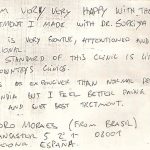

"The standard of the clinic is like a first country’s clinic..."
PEDRO MORAES
Location:- Brazil


"Me and my family were very reluctant to undergo my dental treatment in India, but..."
RICHARD SALDANHA
Location:- Peru, South America


"The hygiene is good, the care up to European standards if not better. Strong on explaining..."
THOMAS BAINS
Location:- European Commission
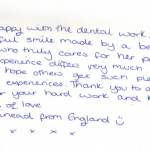
"A new beautiful smile made by a beautiful lady who truly cares for her patients..."
Sinead
Location:- England
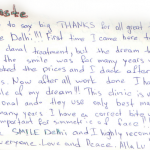

"I have the smile of my dream….This clinic is very professional and they use only best materials..."
Alla Lu
Location:- Russia


"Thank you so much for making my dream come true to have a perfect smile..."
Jacyln Gopinathan
Location:- Mindro Philippines


"I felt very comfortable through my treatment and i had 100% trust in you..."
Arnar Gislason
Location:- Iceland


"Thank you for giving me a smile that i’ve dreamed of for years..."
Yuto Harrison
Location:- Canada
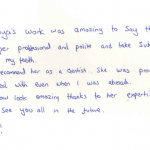

"Dr. Suprriya’s work was amazing…. She is super professional and polite..."
Todd
Location:- Australia
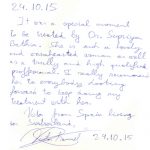

"Dr. Suprriya is such a lovely and warm hearted woman as well as a truly and high qualified professional..."
Victor Vique
Location:- Switzerland


"After travelling all through India and visiting 7 different clinics, this..."
JEFF MC CLEAN
Location:- New Zealand

"From the moment i got here i knew i had made the right decision."


"Thank you so much, Dr. Suprriya! I am so grateful for you and your practice."

"Very attentive and grateful for the results. I will keep in Touch"

"You saved my teeth. Lovely clinic and very professional staff..."


"My teeth are 7-8 shades whiter, thanks to you and your team..."

"Thank you very much dr. suprriya for wonderful treatment for implants and bridge and giving me my smile back."
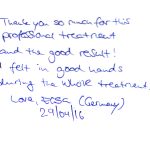

"Felt in good hands during the whole treatment..."

"Visited many dentist around the world and smile delhi definitely gives you a great smile..."
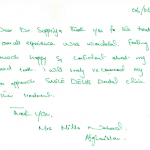

"Over all experience was wonderful…"
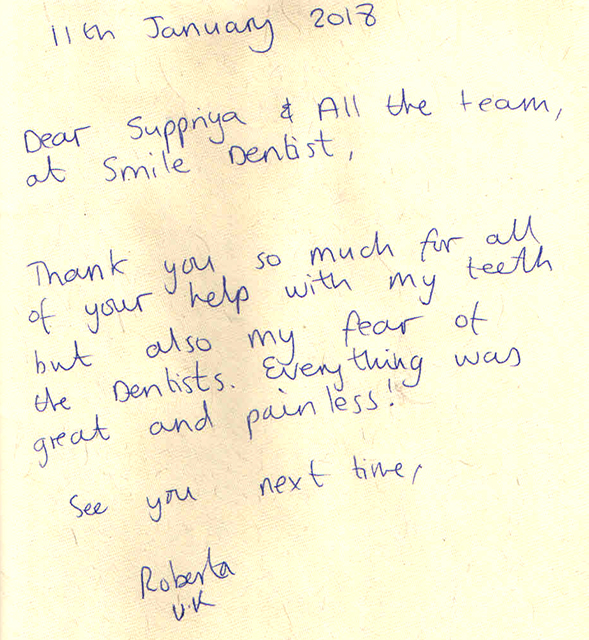
"Every thing was great and pain less !....."
Roberta
Location:- UK

"Dr. Suprriya is such a lovely and warm hearted woman as well as a..."
Victor
Location:- Switzerland

"Didn’t hurt, looked good, felt good, clearly explained and professionally done..."
Jeff
Location:- New zealand

"Dr. Supria is a unic dentice and an exellent person..”, “…honest and direct.."
Yaron Mayer
Location:- Israel Embassy

"Dr. Suprriya is very gentle and excellent human being. A perfect Dentist I...."
Uarely
Location:- Finland


"You treated me gentle as a child!..."
Andreas
Location:- Norway


"You are probably one of the best dentist I have ever been to in the last 50 years..."
Usama
Location:- Saudi Arabia

"I have the Hollywood teeth I always wanted…"
Belle
Location:- Canada
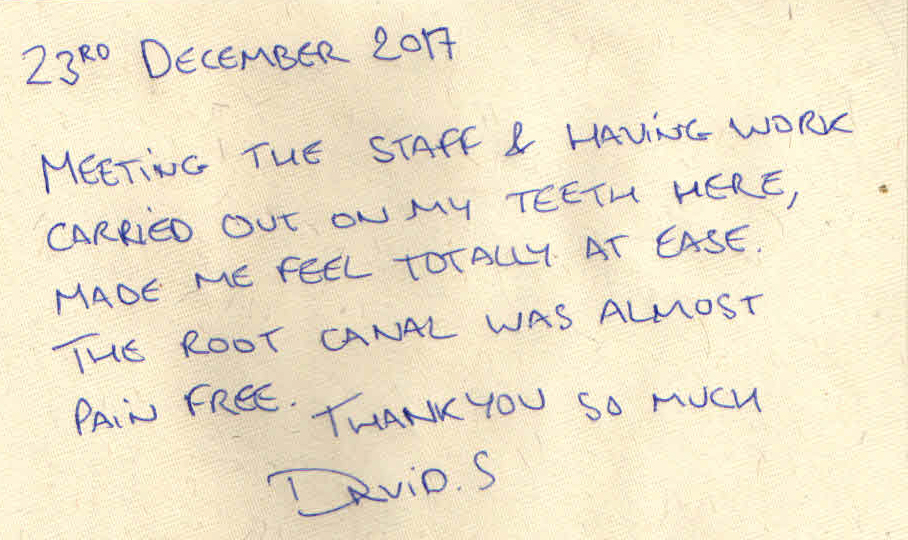
"The root canal was almost pain free....."
David Seeley
Location:- UK
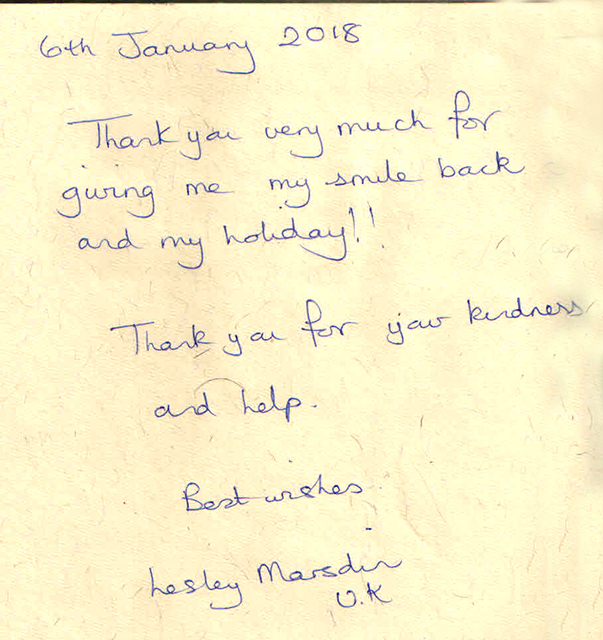
"Thank You very much for giving me my smile back and my holiday!....."
Lesley Marsdin
Location:- UK
"I even laughed when they screwed the posts in ! very professional even enjoyed it a bit"
Laurewce Moon
Location:- UK
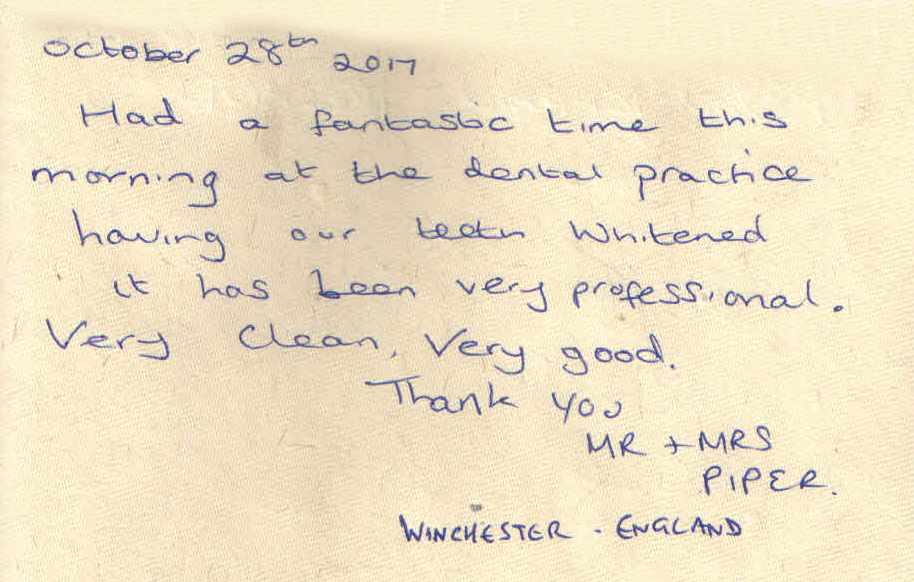
"It has been very professional. Very clean, very good......"
Mr. & Mrs. Piper
Location:-Winchester, England

"My emergency treatment was incredible kind and 1st class....."
Kevin Kahan
Location:- Ireland
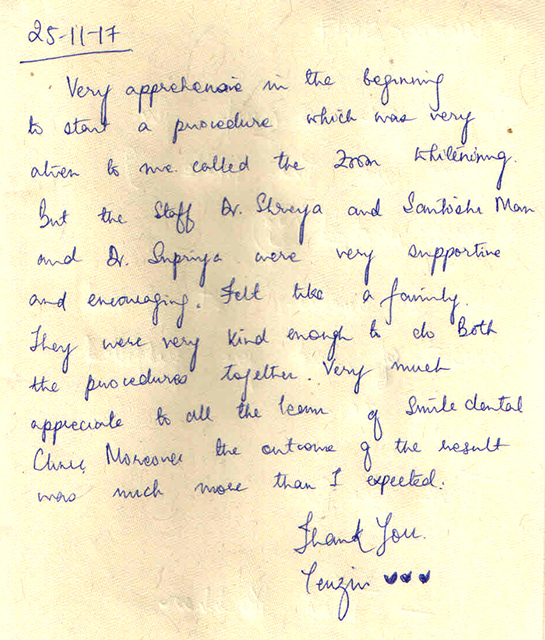

"The result was much more than I expected in zoom whitening....."
Tenzin
Location:- Bhutan
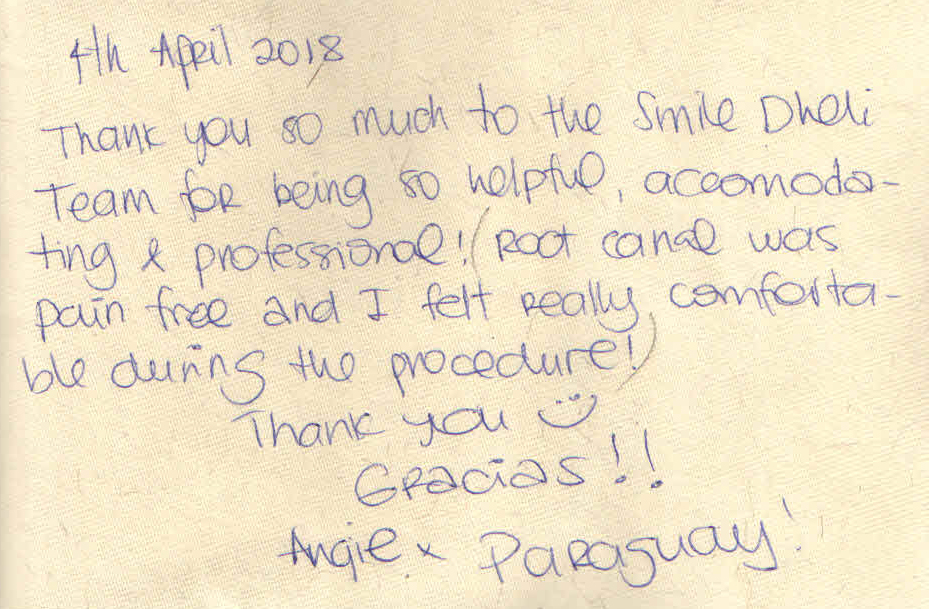

"Root canal was pain free and i felt really comfortable during the procedure....."
Angie
Location:- Paraguay
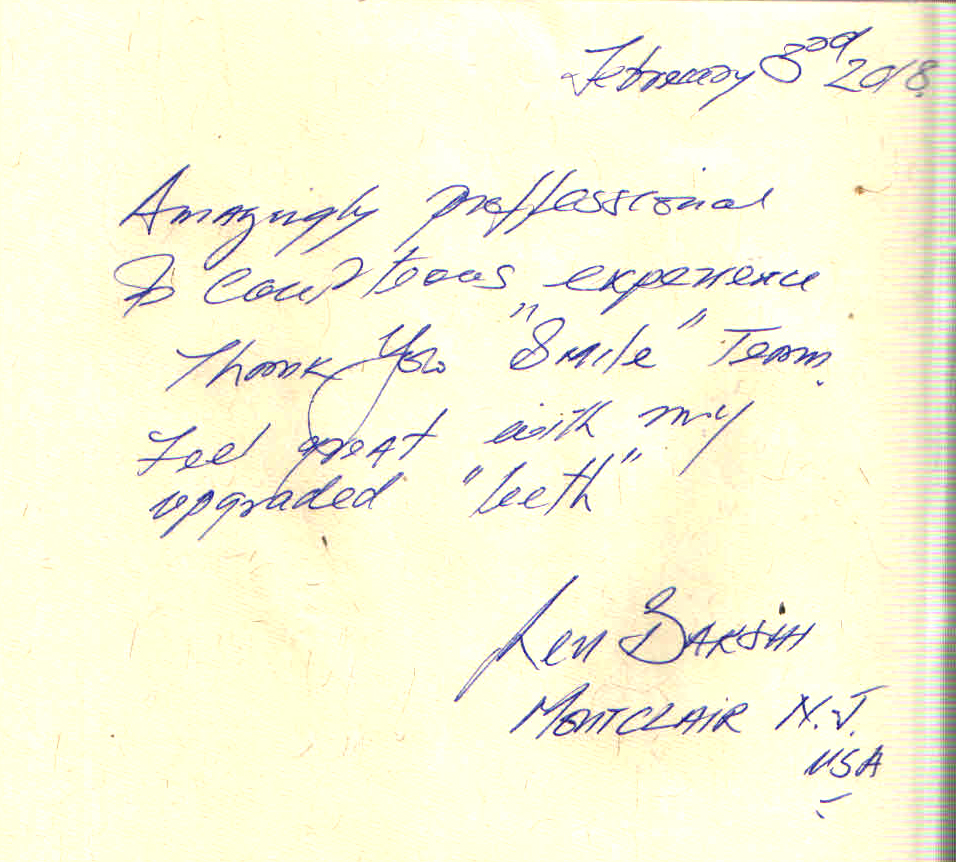
"Amazingly professional and courteous experience......"
Ken Bakshi
Location:- USA


"I had my teeth whitened amazing results!"
Paula Davey
Location:- Australia


"I would like to have sometimes so good dentist in Europe like Dr Suprriya..."
DANNY
Location:- Austria

"I would highly recommend Suprriya to anyone seeking good oral health care..."
ALLISON WEST
Location:- Australia


"Dr Suprriya, I just want to thank you for the very well done..."
MARIO
Location:- Columbia (Diplomat in India)