

How Do Dental Implants Replace Missing Teeth Naturally?
Losing a tooth can affect far more than just your smile. Missing teeth can change the way you chew, speak, and even the shape of your face over time. Fortunately, modern dentistry offers a solution that closely replicates natural teeth — dental implants.
Unlike removable dentures or traditional bridges, dental implants replace the entire structure of a missing tooth, including the root. This allows them to function, feel, and look remarkably similar to natural teeth. For patients searching for a permanent and natural solution for missing teeth, dental implants have become the gold standard in modern dentistry.
In this article, we will explore how dental implants replace missing teeth naturally, why they are considered one of the most advanced dental treatments, and how they restore both function and aesthetics.
Understanding the Structure of a Natural Tooth
To understand how dental implants work, it helps to first understand the structure of a natural tooth.
A natural tooth consists of two main parts:
- The Crown
This is the visible part of the tooth above the gums. It is responsible for chewing, biting, and aesthetics. - The Root
The root sits inside the jawbone and anchors the tooth firmly in place. It also transfers chewing pressure to the jawbone, keeping the bone healthy and strong.
When a tooth is lost, both the crown and the root disappear. Traditional solutions like dentures or bridges only replace the visible part of the tooth. Dental implants in Delhi, however, replace both the root and the crown, which is why they feel so natural.
What Are Dental Implants?
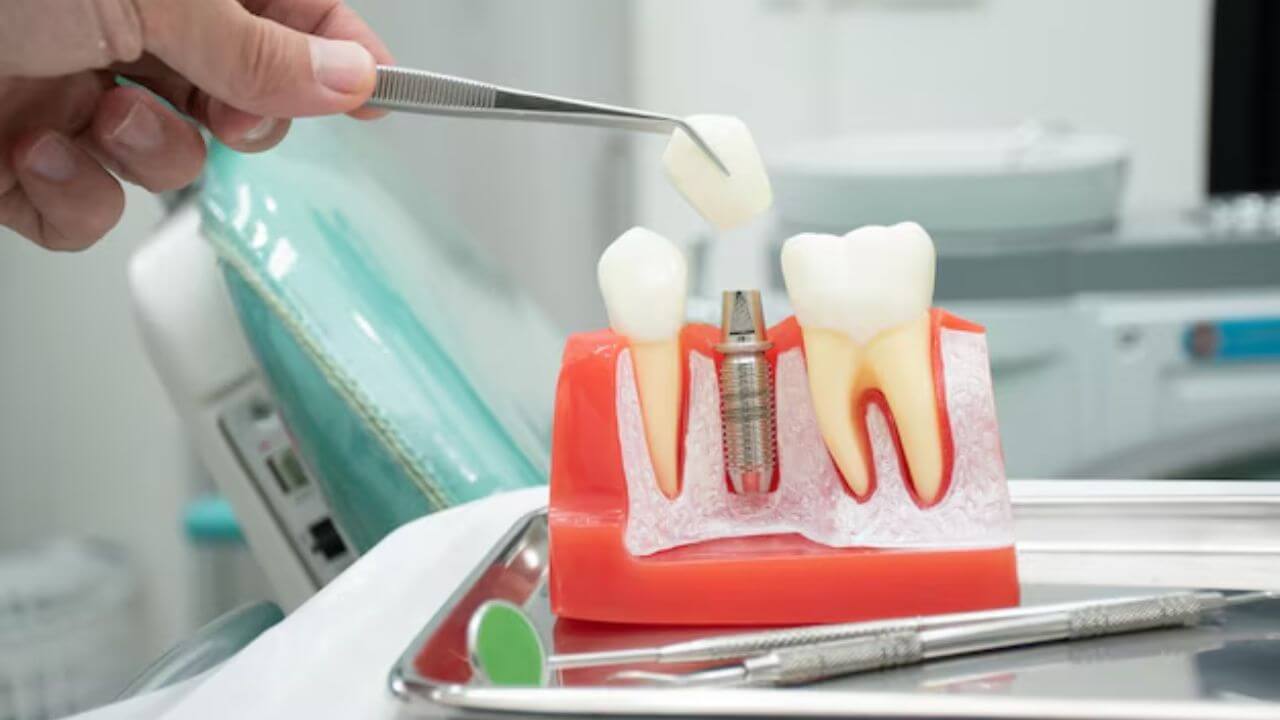
Dental implants are small medical-grade titanium or ceramic posts that are placed into the jawbone to replace the root of a missing tooth. After placement, they act as a strong foundation for a dental crown, dental bridge, or full set of teeth.
Once healed, the implant supports a custom-made crown that matches the shape, size, and color of your natural teeth. The result is a replacement tooth that blends seamlessly with your smile.
A dental implant restoration typically has three components:
- Implant post– the artificial root placed in the jawbone
- Abutment– the connector between the implant and crown
- Crown or bridge– the visible replacement tooth
This design closely mimics the structure of a natural tooth, which is why implants provide such realistic function and appearance.
The Science Behind Natural Tooth Replacement
One of the main reasons dental implants feel natural is because of a biological process called Osseointegration.
Osseointegration occurs when the jawbone grows around and bonds with the implant surface. This creates a direct and stable connection between the bone and the implant, allowing the implant to function like a natural tooth root.
Because the implant becomes integrated with the bone:
- It remains stable while chewing
- It does not move like dentures
- It distributes chewing pressure naturally
- It preserves the surrounding jawbone
This biological integration is the key reason dental implants feel so natural in the mouth.
Step-by-Step: How Dental Implants Replace Missing Teeth
Dental implant treatment is carefully planned to recreate the natural tooth structure. Here is how the process typically works.
1. Detailed Examination and Planning
The first step is a comprehensive dental examination that may include:
- Digital X-rays
- Bite analysis
- Evaluation of bone density
This allows the dentist in Delhi to determine whether the jawbone is strong enough to support an implant. Proper planning ensures the implant is placed at the correct angle and depth to mimic the natural tooth root.
2. Implant Placement
During the procedure, the dentist places the titanium implant into the jawbone at the site of the missing tooth.
The implant is positioned exactly where the natural root once existed. Because titanium is biocompatible, the body accepts it safely and allows the bone to grow around it.
The procedure is typically performed under local anesthesia and is much more comfortable than many patients expect.
3. Healing and Bone Integration
After implant placement, the healing phase begins.
During this stage, the bone gradually bonds with the implant through osseointegration. This process can take several weeks or months depending on the patient’s bone quality and healing ability.
As the bone grows around the implant, it becomes extremely stable — just like a natural tooth root embedded in the jaw.
4. Abutment Placement
Once healing is complete, a small connector called an abutment is attached to the implant.
The abutment acts as a support structure for the final restoration, ensuring that the crown sits securely and naturally above the gumline.
5. Final Crown or Bridge Placement
The last step is placing the custom-designed crown or bridge.
Modern dental restorations are often made from materials such as zirconia crowns or ceramic crowns, which closely mimic the color, translucency, and strength of natural teeth.
Once placed, the implant-supported crown restores:
- chewing ability
- bite stability
- smile aesthetics
- speech clarity
The final result looks and functions almost exactly like a natural tooth.
Why Dental Implants Feel So Natural
Many patients say that after a few weeks they forget they even have an implant. This happens because dental implants restore the natural biomechanics of the mouth.
Here are some key reasons why implants feel so natural.
1. They Replace the Tooth Root
Traditional bridges or dentures replace only the visible part of the tooth. Dental implants replace the entire root structure, which helps recreate natural stability.
Because the implant is anchored into the jawbone, it functions much like the original tooth.
2. They Restore Natural Chewing Pressure
Natural teeth transfer chewing forces into the jawbone. When a tooth is missing, this pressure disappears and the bone begins to shrink.
Dental implants restore this natural pressure, helping the jawbone remain strong and healthy.
Patients can chew comfortably with implant-supported crowns, often with the same strength as natural teeth.
3. They Prevent Jawbone Shrinkage
When a tooth root is lost, the jawbone begins to shrink because it no longer receives stimulation.
Dental implants stimulate the bone just like natural tooth roots, helping maintain bone density and facial structure.
This prevents the “sunken face” appearance often seen with long-term tooth loss.
4. They Do Not Affect Neighboring Teeth
Dental bridges require the adjacent teeth to be trimmed and prepared for crowns.
Dental implants are independent restorations, meaning they do not rely on neighboring teeth for support.
This helps preserve healthy natural teeth and maintains overall oral health.
5. They Look Completely Natural
Modern implant crowns are carefully designed to match:
- tooth shape
- tooth shade
- gum contour
- bite alignment
Materials like zirconia crowns and ceramic restorations reflect light similarly to natural enamel, making them virtually indistinguishable from real teeth.
Dental Implants vs Other Tooth Replacement Options
Patients often ask how implants compare to other treatments for missing teeth.
Dental Bridges
Dental bridges are fixed restorations that replace missing teeth by attaching an artificial tooth to adjacent teeth.
Dentures
Dentures are removable appliances that replace multiple missing teeth.
However, dentures may:
- move while chewing
- cause gum irritation
- reduce chewing efficiency
- accelerate jawbone loss
Implants provide a far more stable and long-term solution.
Implant-Supported Teeth
Dental implants provide the most natural replacement because they restore both the root and the crown.
They also support different restorations such as:
- single crowns
- implant bridges
- implant-supported dentures
- full arch restorations
For patients with extensive tooth loss, techniques like All-on-6 can replace an entire set of teeth using just four strategically placed implants.
Long-Term Benefits of Dental Implants
Dental implants are not just a cosmetic treatment — they are a long-term investment in oral health.
Some major benefits include:
- Natural appearance and function
- Strong and stable chewing ability
- Prevention of bone loss
- Protection of neighboring teeth
- Long lifespan with proper care
With good oral hygiene and regular dental visits, implants can last for decades.
Who Is a Good Candidate for Dental Implants?
Most healthy adults with missing teeth can benefit from dental implants.
You may be a suitable candidate if you:
- have one or more missing teeth
- have healthy gums
- have adequate jawbone density
- maintain good oral hygiene
Even patients with bone loss can often receive implants after procedures such as bone grafting.
A thorough consultation with an experienced dental implant dentist will determine the best treatment plan.
The Future of Natural Tooth Replacement
Dental implant technology continues to advance rapidly.
Modern innovations include:
- guided implant surgery
- faster healing implant surfaces
- highly aesthetic zirconia restorations
These advancements make implant treatment more precise, comfortable, and predictable than ever before.
As a result, dental implants continue to be the closest replacement to natural teeth that modern dentistry can provide.
Final Thoughts
Dental implants have transformed the way dentists replace missing teeth. By replicating the structure of natural teeth — from root to crown — they restore both function and beauty in a way that other treatments cannot.
Through the biological process of osseointegration, implants integrate with the jawbone, providing a stable and long-lasting foundation for crowns or bridges. This unique ability allows implants to feel, function, and look like natural teeth.
If you are missing one or more teeth and want a solution that restores your smile naturally, dental implants at Smile Delhi-The Dental Clinic may be the ideal option.
With the right expertise, advanced technology, and personalized treatment planning, dental implants can help you regain a confident smile, strong bite, and long-term oral health.
Schedule Your Consultation
Visit the best dental clinic in South Delhi today to get dental implants which can restore your smile with strength and confidence.
Sources
- American Academy of Implant Dentistry
- American Dental Association
- National Institute of Dental and Craniofacial Research
Part of the NIH, NIDCR publishes scientific resources on tooth loss, bone health, and how dental implants integrate with jawbone through osseointegration.

Dr. Suprriya B. Bhatia is a highly experienced dental professional with over 25 years of clinical expertise. A leading dentist in South Delhi, she is the founder of Smile Delhi – The Dental Clinic and specialises in cosmetic dentistry, dental implants, and smile makeovers. Dr. Suprriya B. Bhatia is known for her compassionate, patient-centred approach and commitment to creating healthy, confident smiles for patients from India and abroad.


"Extremely good service and care..."
Tim Gound
Location:- U. K.


"The standard of the clinic is like a first country’s clinic..."
PEDRO MORAES
Location:- Brazil


"Me and my family were very reluctant to undergo my dental treatment in India, but..."
RICHARD SALDANHA
Location:- Peru, South America


"The hygiene is good, the care up to European standards if not better. Strong on explaining..."
THOMAS BAINS
Location:- European Commission
"A new beautiful smile made by a beautiful lady who truly cares for her patients..."
Sinead
Location:- England

"I have the smile of my dream….This clinic is very professional and they use only best materials..."
Alla Lu
Location:- Russia


"Thank you so much for making my dream come true to have a perfect smile..."
Jacyln Gopinathan
Location:- Mindro Philippines


"I felt very comfortable through my treatment and i had 100% trust in you..."
Arnar Gislason
Location:- Iceland


"Thank you for giving me a smile that i’ve dreamed of for years..."
Yuto Harrison
Location:- Canada


"Dr. Suprriya’s work was amazing…. She is super professional and polite..."
Todd
Location:- Australia


"Dr. Suprriya is such a lovely and warm hearted woman as well as a truly and high qualified professional..."
Victor Vique
Location:- Switzerland


"After travelling all through India and visiting 7 different clinics, this..."
JEFF MC CLEAN
Location:- New Zealand

"From the moment i got here i knew i had made the right decision."


"Thank you so much, Dr. Suprriya! I am so grateful for you and your practice."

"Very attentive and grateful for the results. I will keep in Touch"

"You saved my teeth. Lovely clinic and very professional staff..."


"My teeth are 7-8 shades whiter, thanks to you and your team..."

"Thank you very much dr. suprriya for wonderful treatment for implants and bridge and giving me my smile back."


"Felt in good hands during the whole treatment..."

"Visited many dentist around the world and smile delhi definitely gives you a great smile..."


"Over all experience was wonderful…"
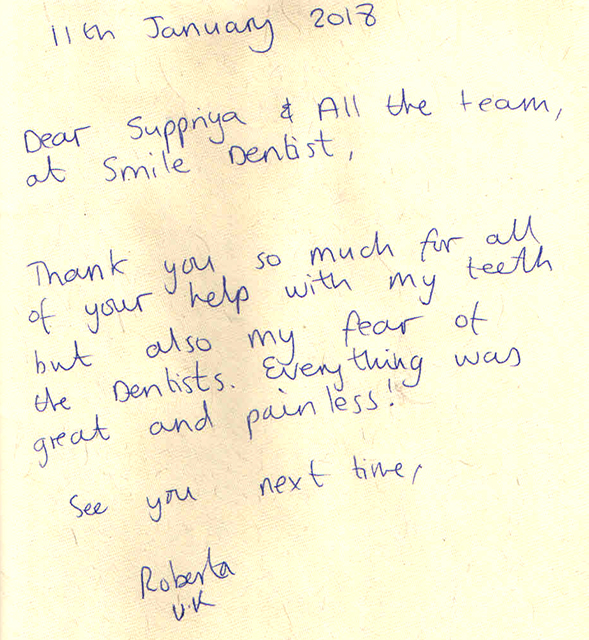
"Every thing was great and pain less !....."
Roberta
Location:- UK

"Dr. Suprriya is such a lovely and warm hearted woman as well as a..."
Victor
Location:- Switzerland


"Didn’t hurt, looked good, felt good, clearly explained and professionally done..."
Jeff
Location:- New zealand

"Dr. Supria is a unic dentice and an exellent person..”, “…honest and direct.."
Yaron Mayer
Location:- Israel Embassy

"Dr. Suprriya is very gentle and excellent human being. A perfect Dentist I...."
Uarely
Location:- Finland


"You treated me gentle as a child!..."
Andreas
Location:- Norway


"You are probably one of the best dentist I have ever been to in the last 50 years..."
Usama
Location:- Saudi Arabia


"I have the Hollywood teeth I always wanted…"
Belle
Location:- Canada
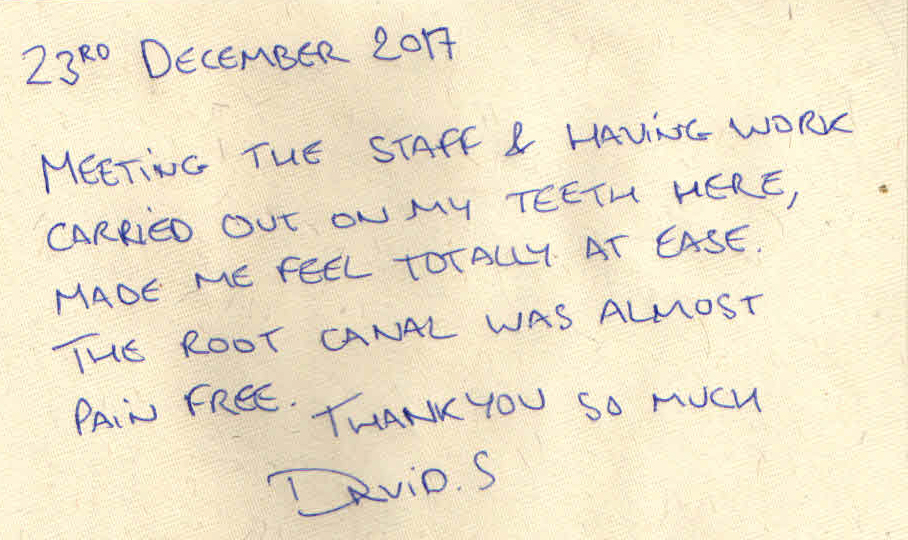
"The root canal was almost pain free....."
David Seeley
Location:- UK

"Thank You very much for giving me my smile back and my holiday!....."
Lesley Marsdin
Location:- UK

"I even laughed when they screwed the posts in ! very professional even enjoyed it a bit"
Laurewce Moon
Location:- UK

"It has been very professional. Very clean, very good......"
Mr. & Mrs. Piper
Location:-Winchester, England

"My emergency treatment was incredible kind and 1st class....."
Kevin Kahan
Location:- Ireland
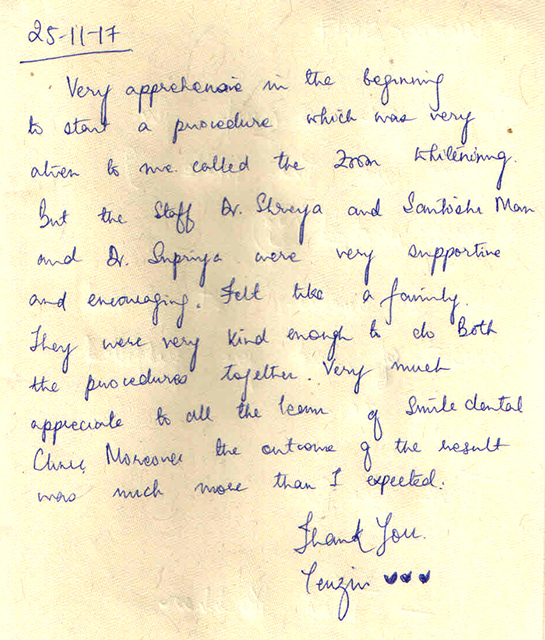

"The result was much more than I expected in zoom whitening....."
Tenzin
Location:- Bhutan
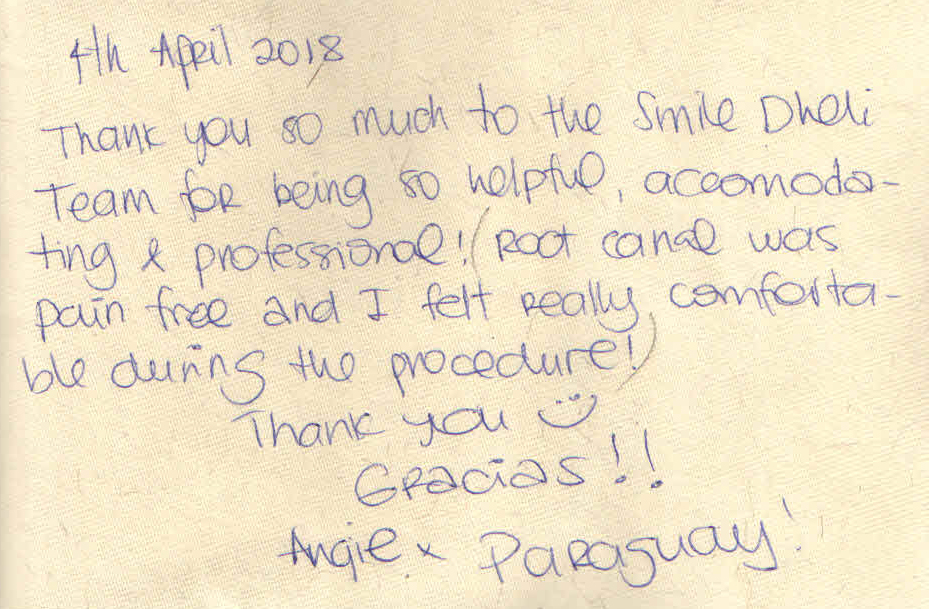

"Root canal was pain free and i felt really comfortable during the procedure....."
Angie
Location:- Paraguay

"Amazingly professional and courteous experience......"
Ken Bakshi
Location:- USA


"I had my teeth whitened amazing results!"
Paula Davey
Location:- Australia


"I would like to have sometimes so good dentist in Europe like Dr Suprriya..."
DANNY
Location:- Austria

"I would highly recommend Suprriya to anyone seeking good oral health care..."
ALLISON WEST
Location:- Australia


"Dr Suprriya, I just want to thank you for the very well done..."
MARIO
Location:- Columbia (Diplomat in India)