


Can Root Canal Treatment Fail and Why Does It Happen?
Hearing that you may need a root canal often brings a wave of worry. Many people think about pain, long appointments, or stories they have heard where a treated tooth caused problems later.
These fears are common and understandable. Teeth are important for daily life, and no one wants to deal with repeat dental issues.
The good news is that most root canal procedures work very well. Still, like any medical or dental procedure, failure can happen in certain situations.
Learning why this happens, what it looks like, and how it can be handled helps remove confusion and fear. When you understand the facts, you can feel more relaxed and confident about your dental care and long-term oral health.
What Is a Root Canal and Why Is It Done?
A root canal is a dental procedure used to treat infection or damage inside a tooth. At the centre of each tooth is soft tissue called pulp.
This pulp contains nerves and blood vessels that help the tooth grow and stay healthy. When deep decay, cracks, or injuries allow bacteria to reach this area, the pulp becomes infected. This can cause pain, swelling, and sensitivity.
During treatment, the dentist removes the infected pulp, cleans the inside of the tooth, and seals it to block bacteria from entering again. Root Canal Treatment in South Delhi allows the natural tooth to stay in place instead of being removed.
Keeping your own tooth helps with chewing, speaking, and maintaining proper alignment of nearby teeth. With today’s dental methods, the procedure is usually comfortable and similar to getting a filling.
Can Root Canal Treatment Really Fail?
Yes, it can fail, but this does not mean the treatment is unsafe or ineffective. A failed root canal means the tooth does not heal as expected or becomes infected again after treatment.
This may happen shortly after the procedure or even years later. Failure does not always mean the dentist made a mistake. Teeth have different shapes, sizes, and root patterns.
Some problems are hidden and difficult to detect during the first treatment. Understanding that failure is possible helps patients realise why follow-up visits and proper care are so important after treatment.
Common Reasons Why Root Canal Treatments Fail
Missed or Hidden Canals
Some teeth have more canals than expected. These canals can be very narrow or curved, making them hard to find. Even with X-rays, some canals remain hidden. If one canal is missed, bacteria can stay inside the tooth. Over time, this bacteria can grow and cause a new infection.
Back teeth often have complex root systems, which increases this risk. Dentists use magnification and imaging to reduce the chance of missing canals, but every tooth is different.
Infection That Was Not Fully Removed
In some cases, the infection is severe and has spread deep into the root area. If bacteria are not completely removed, the infection may return.
Even a very small amount of remaining bacteria can lead to problems later. This is why thorough cleaning and proper sealing of the canals are essential steps during treatment.
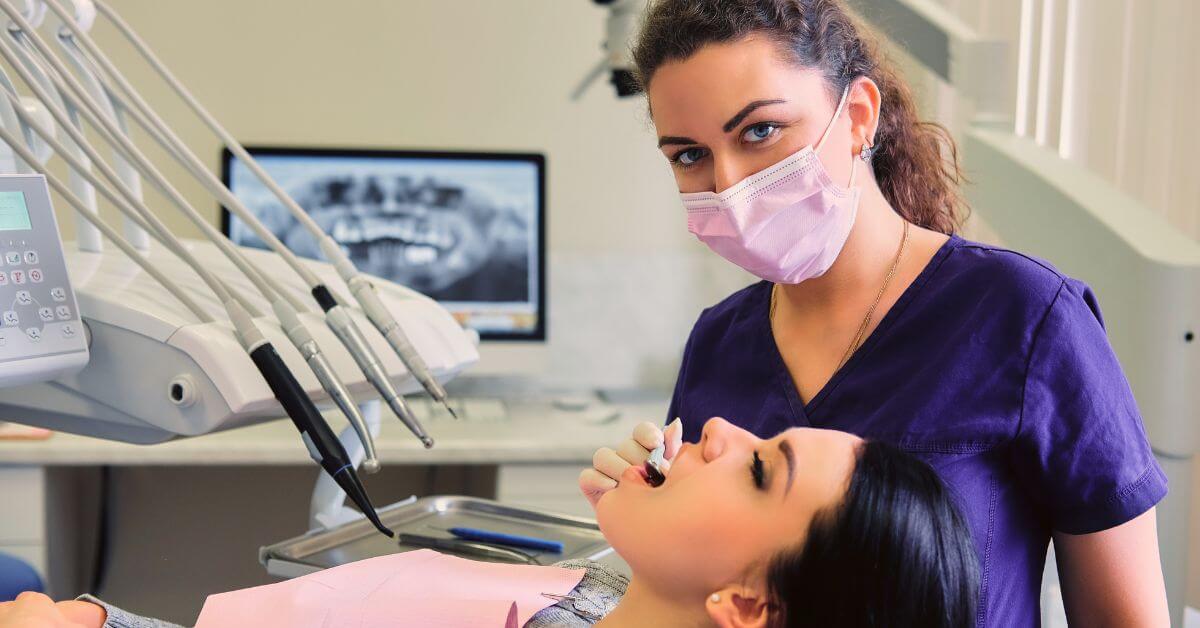
Delayed or Poor-Quality Crown Placement
After a root canal, the tooth becomes weaker because the pulp is removed, which reduces its natural strength.
To protect it, a crown is usually placed over the tooth, but if this crown is delayed or does not fit properly, a dentist in south Delhi would explain that bacteria can leak back into the tooth.
A loose or cracked crown allows saliva and bacteria to enter, increasing the risk of reinfection and causing further structural damage over time.
Cracks or Fractures in the Tooth
Some cracks are too small to be seen during treatment. Over time, chewing pressure can make these cracks larger. Bacteria can enter through these spaces and reach the root area again.
Teeth that have large fillings or have suffered trauma are more likely to develop fractures, which can lead to failure.
New Decay After Treatment
A tooth that has had a root canal can still develop cavities. If decay reaches the sealed part of the tooth, bacteria can travel back inside.
Poor brushing habits and skipping dental visits can raise this risk. Good daily oral care plays a major role in preventing new decay and protecting treated teeth.
Signs That a Root Canal May Be Failing
A failing root canal does not always cause immediate pain. Some symptoms develop slowly and may be mild at first.
Common signs include pain when chewing, swelling near the tooth, tenderness in the gums, or a small bump on the gum near the treated tooth.
Some people notice sensitivity to hot or cold that lasts longer than usual. Others feel pressure or discomfort that comes and goes.
In some cases, there may be no pain at all, and the issue is only discovered during a routine dental X-ray. Paying attention to changes and acting early can prevent more serious problems.
How Often Do Root Canal Failures Happen?
Most root canal procedures have a high success rate, often over 90 percent. This means most patients never experience issues after treatment. Failures are less common, but they do happen.
Certain factors increase risk, such as complex root anatomy, delayed crown placement, and poor oral hygiene. Teeth grinding and skipping regular check-ups can also affect long-term success. Even when a root canal fails, the tooth can often be saved with further treatment.
What Happens If a Root Canal Fails?
If a root canal fails, dentists look at several treatment options. One option is retreatment. This involves reopening the tooth, removing the old filling material, cleaning the canals again, and sealing them properly. Retreatment is often successful, especially when the problem is found early.
Another option is a small surgical procedure that removes the tip of the root and seals it from the outside. This is used when retreatment is not suitable.
If the tooth cannot be saved, extraction may be needed. The missing tooth can later be replaced with an implant or bridge to restore function and appearance.
How Dentists Reduce the Risk of Failure
Dentists use modern tools such as digital imaging, magnification, and advanced cleaning systems to reduce failure risk. These tools help locate hidden canals and remove bacteria more effectively.
Proper sealing of the root canals and placing a well-fitted crown are also important steps. Dentists plan treatment carefully based on the condition of the tooth and the patient’s oral health history.
Patients treated in areas like south delhi often have access to advanced dental care, which supports better long-term results.
Why Follow-Up Care Matters After Treatment
Patient care does not stop once the procedure is done. Follow-up care plays a major role in long-term success. Regular dental check-ups help detect issues early, often before pain begins.
Daily brushing, flossing, and avoiding very hard foods help protect treated teeth. Wearing a night guard can reduce damage for people who grind their teeth. Patients who follow care instructions closely usually experience fewer problems over time.
How Location and Experience Can Make a Difference
Dental care quality can vary based on experience, technology, and patient education. In south Delhi, many clinics focus on updated techniques and clear communication, helping patients understand their treatment and aftercare.
Choosing a clinic that explains procedures and provides follow-up support helps patients feel more confident and informed throughout their dental journey.
Understanding Long-Term Tooth Health
A tooth that has had a root canal can last many years with proper care. Although the tooth no longer has living pulp, it still needs protection. Crowns, cleanings, and routine exams help maintain strength and function.
Understanding how daily habits affect oral health helps patients avoid future problems. Simple steps done consistently can protect your smile for years to come.
Conclusion
Root canal failure is possible, but it is not common and is often manageable. Knowing the causes, warning signs, and treatment options allows you to act early and protect your tooth.
With proper care and regular dental visits, most treated teeth remain healthy for a long time. If you notice discomfort or changes after treatment, speaking with a trusted dental professional is important.
At Smile Delhi – The Dental Clinic, patients receive clear guidance, modern care, and supportive follow-up to help maintain long-term oral health and confidence.
Sources:
- https://www.healthdirect.gov.au/root-canal-treatment
- https://www.betterhealth.vic.gov.au/health/conditionsandtreatments/root-canal-treatment
- https://www.ncbi.nlm.nih.gov/books/NBK587367/
- https://pmc.ncbi.nlm.nih.gov/articles/PMC6132168/

Dr. Suprriya B. Bhatia is a highly experienced dental professional with over 25 years of clinical expertise. A leading dentist in South Delhi, she is the founder of Smile Delhi – The Dental Clinic and specialises in cosmetic dentistry, dental implants, and smile makeovers. Dr. Suprriya B. Bhatia is known for her compassionate, patient-centred approach and commitment to creating healthy, confident smiles for patients from India and abroad.


"Extremely good service and care..."
Tim Gound
Location:- U. K.


"The standard of the clinic is like a first country’s clinic..."
PEDRO MORAES
Location:- Brazil


"Me and my family were very reluctant to undergo my dental treatment in India, but..."
RICHARD SALDANHA
Location:- Peru, South America


"The hygiene is good, the care up to European standards if not better. Strong on explaining..."
THOMAS BAINS
Location:- European Commission
"A new beautiful smile made by a beautiful lady who truly cares for her patients..."
Sinead
Location:- England

"I have the smile of my dream….This clinic is very professional and they use only best materials..."
Alla Lu
Location:- Russia


"Thank you so much for making my dream come true to have a perfect smile..."
Jacyln Gopinathan
Location:- Mindro Philippines


"I felt very comfortable through my treatment and i had 100% trust in you..."
Arnar Gislason
Location:- Iceland

"Thank you for giving me a smile that i’ve dreamed of for years..."
Yuto Harrison
Location:- Canada


"Dr. Suprriya’s work was amazing…. She is super professional and polite..."
Todd
Location:- Australia


"Dr. Suprriya is such a lovely and warm hearted woman as well as a truly and high qualified professional..."
Victor Vique
Location:- Switzerland


"After travelling all through India and visiting 7 different clinics, this..."
JEFF MC CLEAN
Location:- New Zealand

"From the moment i got here i knew i had made the right decision."


"Thank you so much, Dr. Suprriya! I am so grateful for you and your practice."

"Very attentive and grateful for the results. I will keep in Touch"

"You saved my teeth. Lovely clinic and very professional staff..."


"My teeth are 7-8 shades whiter, thanks to you and your team..."

"Thank you very much dr. suprriya for wonderful treatment for implants and bridge and giving me my smile back."


"Felt in good hands during the whole treatment..."

"Visited many dentist around the world and smile delhi definitely gives you a great smile..."


"Over all experience was wonderful…"
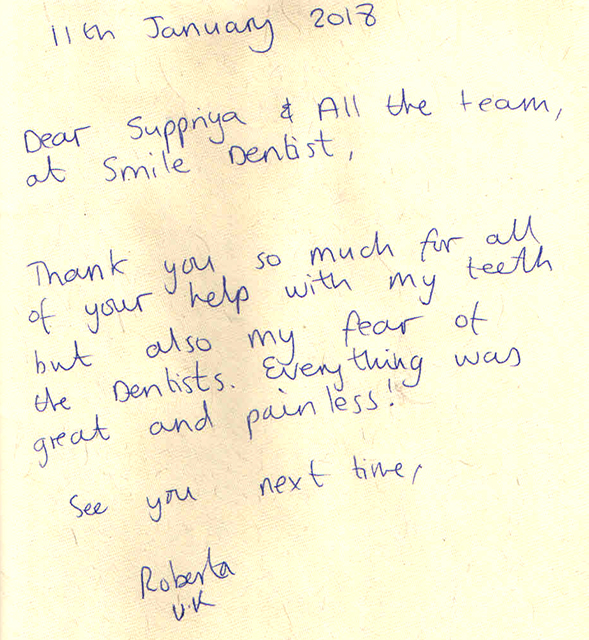
"Every thing was great and pain less !....."
Roberta
Location:- UK

"Dr. Suprriya is such a lovely and warm hearted woman as well as a..."
Victor
Location:- Switzerland


"Didn’t hurt, looked good, felt good, clearly explained and professionally done..."
Jeff
Location:- New zealand

"Dr. Supria is a unic dentice and an exellent person..”, “…honest and direct.."
Yaron Mayer
Location:- Israel Embassy

"Dr. Suprriya is very gentle and excellent human being. A perfect Dentist I...."
Uarely
Location:- Finland


"You treated me gentle as a child!..."
Andreas
Location:- Norway


"You are probably one of the best dentist I have ever been to in the last 50 years..."
Usama
Location:- Saudi Arabia
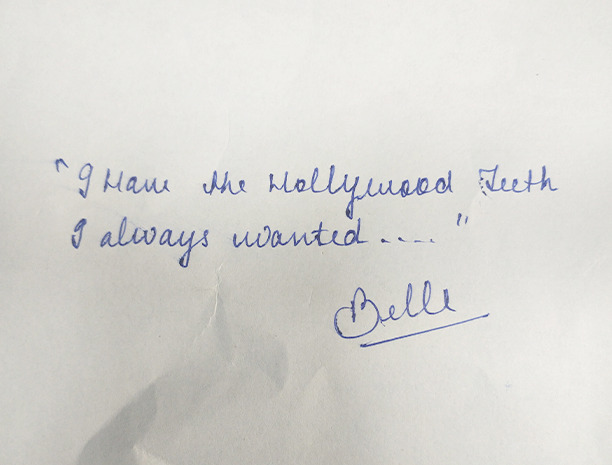

"I have the Hollywood teeth I always wanted…"
Belle
Location:- Canada
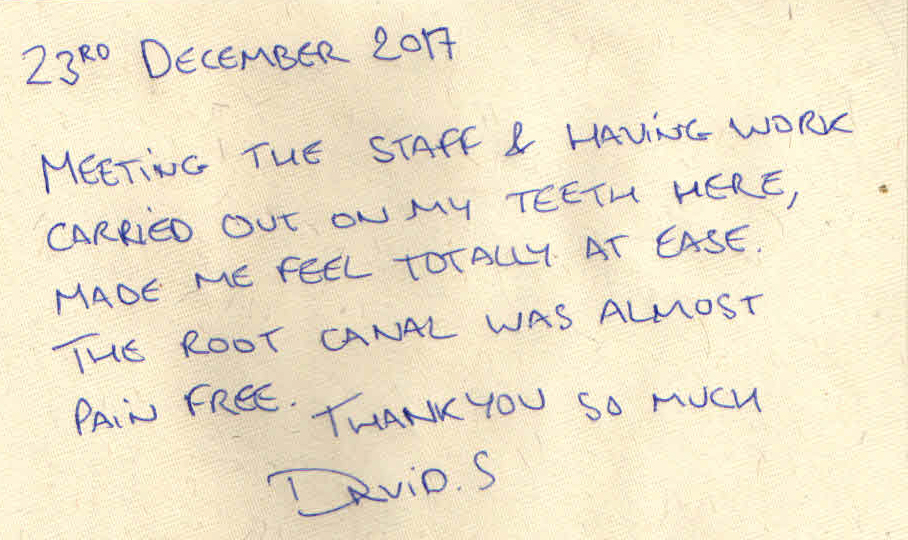
"The root canal was almost pain free....."
David Seeley
Location:- UK
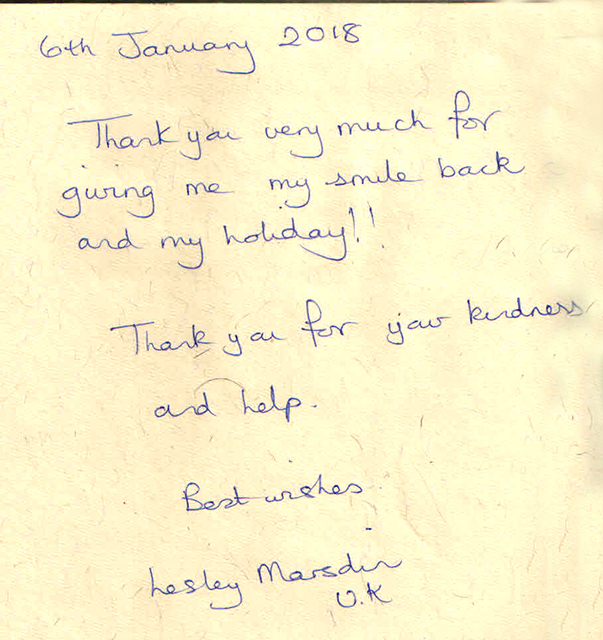
"Thank You very much for giving me my smile back and my holiday!....."
Lesley Marsdin
Location:- UK

"I even laughed when they screwed the posts in ! very professional even enjoyed it a bit"
Laurewce Moon
Location:- UK
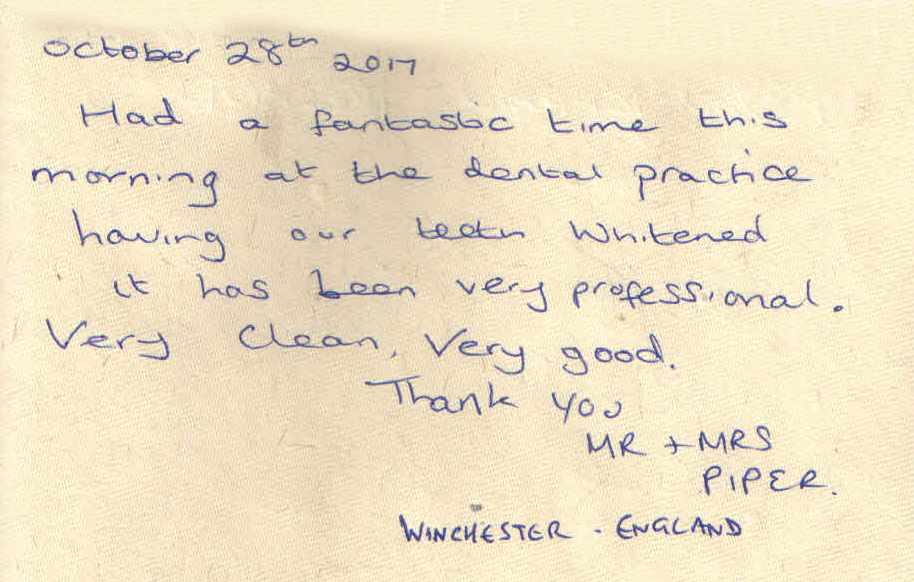
"It has been very professional. Very clean, very good......"
Mr. & Mrs. Piper
Location:-Winchester, England

"My emergency treatment was incredible kind and 1st class....."
Kevin Kahan
Location:- Ireland
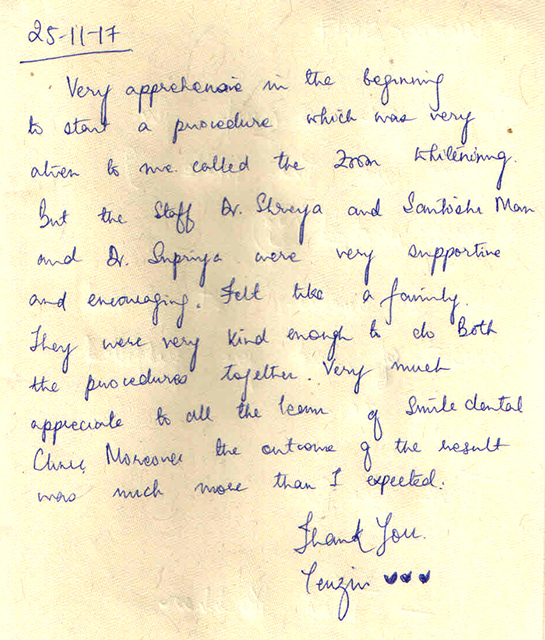

"The result was much more than I expected in zoom whitening....."
Tenzin
Location:- Bhutan
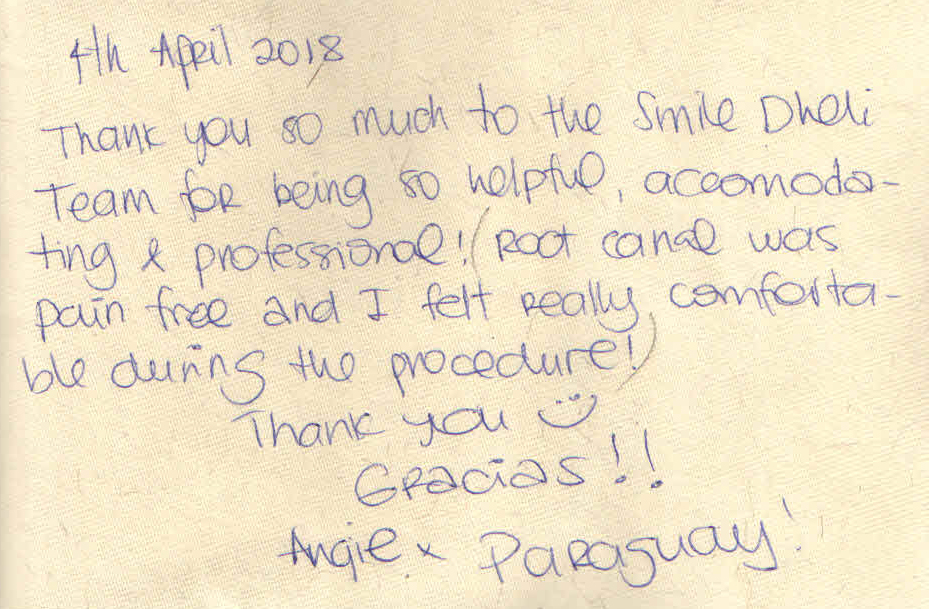

"Root canal was pain free and i felt really comfortable during the procedure....."
Angie
Location:- Paraguay
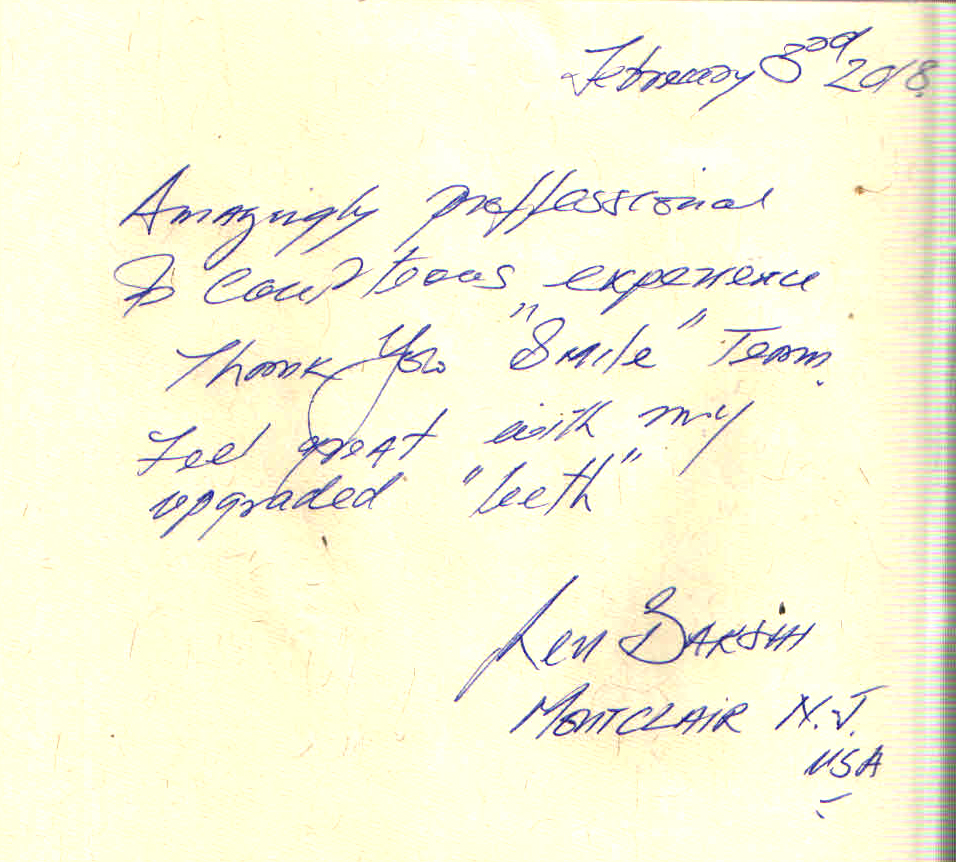
"Amazingly professional and courteous experience......"
Ken Bakshi
Location:- USA


"I had my teeth whitened amazing results!"
Paula Davey
Location:- Australia


"I would like to have sometimes so good dentist in Europe like Dr Suprriya..."
DANNY
Location:- Austria

"I would highly recommend Suprriya to anyone seeking good oral health care..."
ALLISON WEST
Location:- Australia


"Dr Suprriya, I just want to thank you for the very well done..."
MARIO
Location:- Columbia (Diplomat in India)