


What Happens If You Don’t Replace a Missing Tooth?
Losing a tooth can feel like a small problem at first, especially if the gap is not easily visible when you smile. Many people assume they can continue eating and speaking normally without making any changes.
However, even one missing tooth can start a chain of changes inside your mouth that affect chewing, confidence, and long-term oral health.
People in places like South Delhi often delay treatment without realising how quickly the mouth adapts in unhealthy ways. Understanding these changes can help you take better care of your smile and avoid issues that grow more serious over time.
When a tooth is lost, the space it leaves behind affects the teeth next to it, the jawbone underneath it, and the way your bite fits together. These changes happen slowly, but they have a major impact.
Replacing a missing tooth early keeps your smile strong, healthy, and comfortable. Knowing what happens inside your mouth after a tooth is lost makes it easier to understand why timely care matters.
Why a Missing Tooth Shouldn’t Be Ignored
How a Missing Tooth Affects Your Daily Life
One of the first changes you may notice after losing a tooth is difficulty chewing. Even if the gap is small, the pressure on the remaining teeth increases, making everyday meals less comfortable.
As you continue adjusting, missing teeth replacement in South Delhi becomes something many people start to consider because uneven chewing often leads to sensitivity, especially with crunchy foods.
Speech changes may also appear. Certain sounds rely on the tongue touching the teeth, and when a tooth is missing, the airflow inside your mouth shifts.
You may notice slight whistling or find certain words harder to pronounce clearly. These changes often begin subtly but tend to become more noticeable as time passes.
Confidence is another important part of this experience. Even if the missing tooth isn’t visible, you may still feel conscious about your smile. People often smile less, avoid laughing freely, or become more reserved in social settings.
Over time, the space can look more noticeable as nearby teeth start to shift, making the emotional impact even stronger.
Long-Term Changes in Your Mouth
Once a tooth is gone, the jawbone underneath it begins to weaken. The roots of your teeth stimulate the bone each time you chew.
Without that pressure, the bone loses strength and slowly shrinks. This change happens silently and does not hurt, so most people do not realise it is happening.
As bone shrinks, the teeth next to the gap begin to lean toward the open space.
They may tilt, rotate, or shift forward. These changes affect how your upper and lower teeth meet. A misaligned bite becomes harder to correct the longer it is left untreated.
When teeth move out of position, they also create new spaces that trap food and bacteria, making cleaning difficult and increasing the chance of decay.
The tooth opposite the gap may start extending into the space as well. This is because there is no opposing tooth to keep it in place.
Over time, this can weaken the tooth and affect the overall balance of your bite. These changes build slowly but cause bigger problems if the missing tooth is left untreated for too long.
What Happens Inside Your Jaw After You Lose a Tooth
Bone Shrinkage and Facial Structure Changes
Your jawbone depends on the pressure from chewing to stay strong. When a tooth is missing, the bone no longer receives this pressure and begins to shrink.
This process is known as bone resorption. It does not cause pain, but it has visible effects over time.
As the bone shrinks, your facial structure may change. Your cheeks may look slightly sunken, and your jawline may appear less defined.
These changes become more noticeable as you age. The longer the bone is left without stimulation, the harder it becomes to restore it later.
Bone shrinkage can also limit dental treatment options. For example, some treatments require a certain amount of bone for support.
If too much bone has already been lost, extra procedures may be needed before treatment can begin. Acting early helps prevent these challenges and keeps the bone healthy.
Impact on Surrounding Teeth
When a tooth is missing, the surrounding teeth slowly drift toward the gap. Teeth are naturally designed to stay in alignment, but once open space is available, they begin to shift. As they tilt or rotate, cleaning becomes more difficult.
Food gets trapped more easily, increasing the chances of gum inflammation or tooth decay. Your bite alignment is also affected. The upper and lower teeth must meet evenly for comfortable chewing.
If the bite becomes unbalanced, you may experience jaw discomfort or stress on the muscles around the face. In some cases, teeth that absorb too much pressure can develop small cracks or become sensitive.
The tooth opposite the gap may start growing into the empty space as well. This movement, known as over-eruption, weakens the tooth and may make chewing uncomfortable. All of these changes happen gradually but make daily activities harder as time passes.
Problems That Can Develop If Treatment Is Delayed
Gum Disease and Decay Risks
A missing tooth can increase the chances of gum problems. As the nearby teeth slowly shift, tiny spaces form where food and bacteria can easily get trapped.
These spaces are difficult to clean and often lead to plaque buildup, which irritates the gums and causes swelling, bleeding, and infection. Many people notice these changes only after the discomfort begins, even though the issue develops quietly over time.
When these gum concerns progress, seeking help from the best dental clinic in South Delhi becomes important to protect long-term oral health in a sensible and proactive way. The teeth beside the gap also take on more pressure than before.
This extra force can weaken them and make them more likely to develop cavities. Gum recession may start around the empty space because there is no tooth supporting the surrounding tissue.
If the missing tooth is not replaced in time, these issues can slowly worsen and lead to bigger oral health problems later.

TMJ Problems and Headaches
The TMJ is the joint that helps your jaw move smoothly. When teeth shift and the bite becomes uneven, this joint must work harder.
Over time, this added strain can lead to discomfort near the jaw, clicking or popping sounds when opening the mouth, and headaches.These symptoms often begin mildly but worsen as the imbalance increases.
Many people do not connect these issues to a missing tooth, even though they are commonly linked. Treating the gap early helps protect the joint and prevents long-term jaw problems.
Digestive Issues from Poor Chewing
Chewing is the first step in digestion. When chewing becomes difficult or uneven, food is swallowed in larger pieces.
This makes the stomach work harder, which can lead to discomfort, bloating, and slower digestion.Many patients notice their digestion improves after the missing tooth is restored.
This shows how closely oral health and overall health are connected. Healthy chewing supports healthy digestion, and replacing a missing tooth helps keep that balance.
How Dentists Help Prevent These Issues
Common Treatment Options
Dentists offer several ways to restore the gap and protect the teeth and jaw. These options fall under bolded keyword 1, and each one helps keep the mouth functioning properly.
Dental implants replace the missing root and help the jawbone stay strong. Crowns placed on the dental implant look and feel like natural teeth. Implants are popular because they protect both the bone and the alignment of the teeth around them.
Dental bridges use nearby teeth as support for an artificial tooth that fills the gap. Bridges restore chewing ability and prevent neighbouring teeth from shifting.
Dentures are another option, especially when more than one tooth is missing. Modern dentures fit comfortably and help restore normal function. These treatments keep the bite balanced and reduce long-term strain on the jaw and surrounding teeth.
How Dentists Plan the Right Treatment
Before recommending a treatment, dentists examine the bone, gums, and the position of the remaining teeth. They use X-rays or scans to understand how much the teeth have shifted and how strong the bone is.
This helps them create a plan that works for your specific needs.During this process, the dentist explains each step so you understand the benefits and expected results.
One mention of Smile Delhi – The Dental Clinic shows how helpful personalised guidance can be when choosing the right care.
Many patients in South Delhi appreciate clear explanations that make the treatment process easier and more comfortable.
A well-planned treatment restores balance to the bite, improves comfort, and protects long-term oral health. Acting early helps avoid complications and keeps your smile strong.
Conclusion
A missing tooth may seem harmless at first, but over time it can lead to shifting teeth, bone shrinkage, gum problems, jaw discomfort, and difficulty chewing.
Replacing the gap early helps maintain the strength and appearance of your smile while protecting long-term health.
If you are considering restoring your missing tooth, you can reach out to Smile Delhi – The Dental Clinic for guidance and professional care that supports your comfort and confidence.
Sources:
- https://www.mayoclinic.org/tests-procedures/dental-implant-surgery/about/pac-20384622
- https://www.nidcr.nih.gov/health-info/gum-disease
- https://www.cdc.gov/oral-health/about/about-tooth-loss.html
- https://pubmed.ncbi.nlm.nih.gov/10986832/

Dr. Suprriya B. Bhatia is a highly experienced dental professional with over 25 years of clinical expertise. A leading dentist in South Delhi, she is the founder of Smile Delhi – The Dental Clinic and specialises in cosmetic dentistry, dental implants, and smile makeovers. Dr. Suprriya B. Bhatia is known for her compassionate, patient-centred approach and commitment to creating healthy, confident smiles for patients from India and abroad.


"Extremely good service and care..."
Tim Gound
Location:- U. K.


"The standard of the clinic is like a first country’s clinic..."
PEDRO MORAES
Location:- Brazil


"Me and my family were very reluctant to undergo my dental treatment in India, but..."
RICHARD SALDANHA
Location:- Peru, South America


"The hygiene is good, the care up to European standards if not better. Strong on explaining..."
THOMAS BAINS
Location:- European Commission
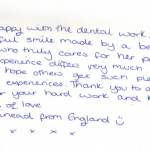
"A new beautiful smile made by a beautiful lady who truly cares for her patients..."
Sinead
Location:- England
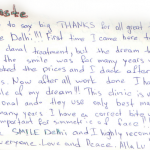

"I have the smile of my dream….This clinic is very professional and they use only best materials..."
Alla Lu
Location:- Russia


"Thank you so much for making my dream come true to have a perfect smile..."
Jacyln Gopinathan
Location:- Mindro Philippines


"I felt very comfortable through my treatment and i had 100% trust in you..."
Arnar Gislason
Location:- Iceland
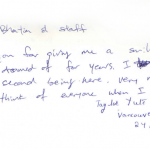

"Thank you for giving me a smile that i’ve dreamed of for years..."
Yuto Harrison
Location:- Canada
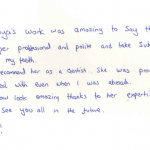

"Dr. Suprriya’s work was amazing…. She is super professional and polite..."
Todd
Location:- Australia
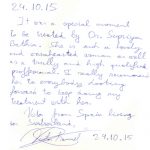

"Dr. Suprriya is such a lovely and warm hearted woman as well as a truly and high qualified professional..."
Victor Vique
Location:- Switzerland


"After travelling all through India and visiting 7 different clinics, this..."
JEFF MC CLEAN
Location:- New Zealand

"From the moment i got here i knew i had made the right decision."


"Thank you so much, Dr. Suprriya! I am so grateful for you and your practice."

"Very attentive and grateful for the results. I will keep in Touch"

"You saved my teeth. Lovely clinic and very professional staff..."


"My teeth are 7-8 shades whiter, thanks to you and your team..."

"Thank you very much dr. suprriya for wonderful treatment for implants and bridge and giving me my smile back."


"Felt in good hands during the whole treatment..."

"Visited many dentist around the world and smile delhi definitely gives you a great smile..."
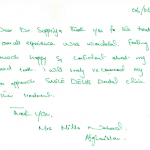

"Over all experience was wonderful…"
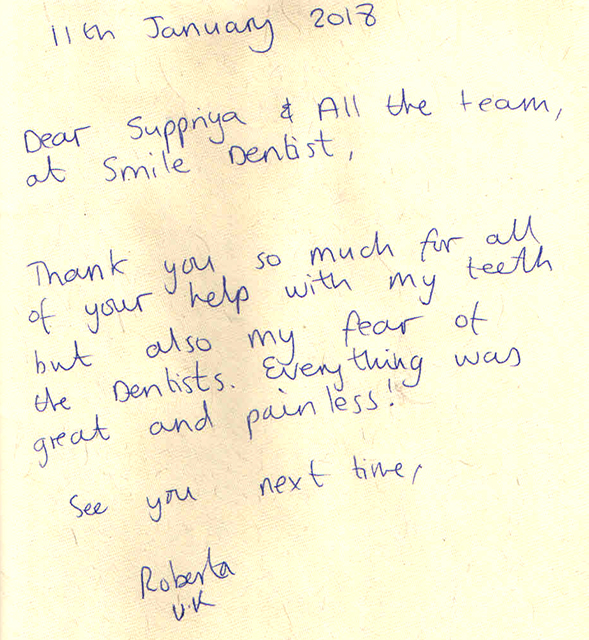
"Every thing was great and pain less !....."
Roberta
Location:- UK

"Dr. Suprriya is such a lovely and warm hearted woman as well as a..."
Victor
Location:- Switzerland
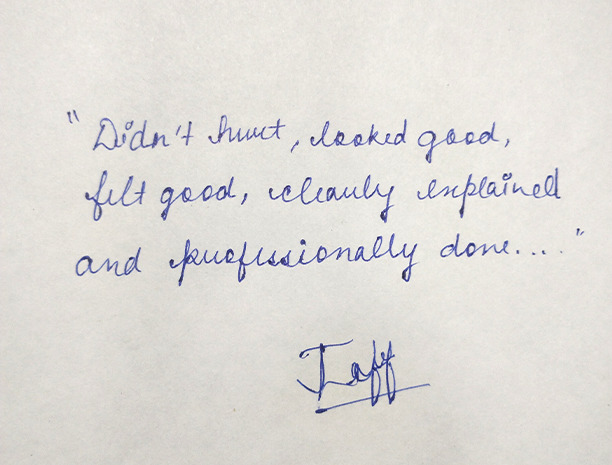

"Didn’t hurt, looked good, felt good, clearly explained and professionally done..."
Jeff
Location:- New zealand

"Dr. Supria is a unic dentice and an exellent person..”, “…honest and direct.."
Yaron Mayer
Location:- Israel Embassy

"Dr. Suprriya is very gentle and excellent human being. A perfect Dentist I...."
Uarely
Location:- Finland


"You treated me gentle as a child!..."
Andreas
Location:- Norway


"You are probably one of the best dentist I have ever been to in the last 50 years..."
Usama
Location:- Saudi Arabia
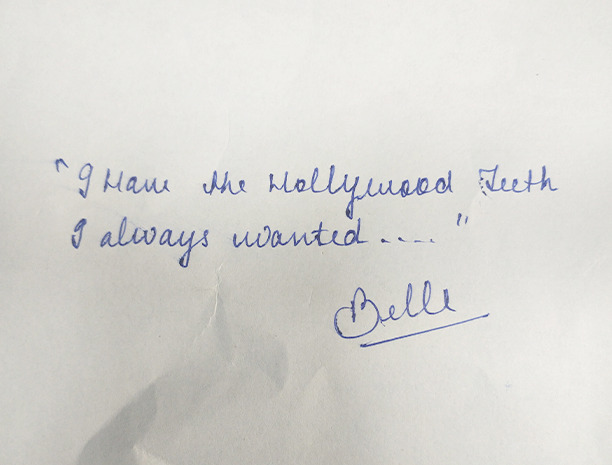

"I have the Hollywood teeth I always wanted…"
Belle
Location:- Canada
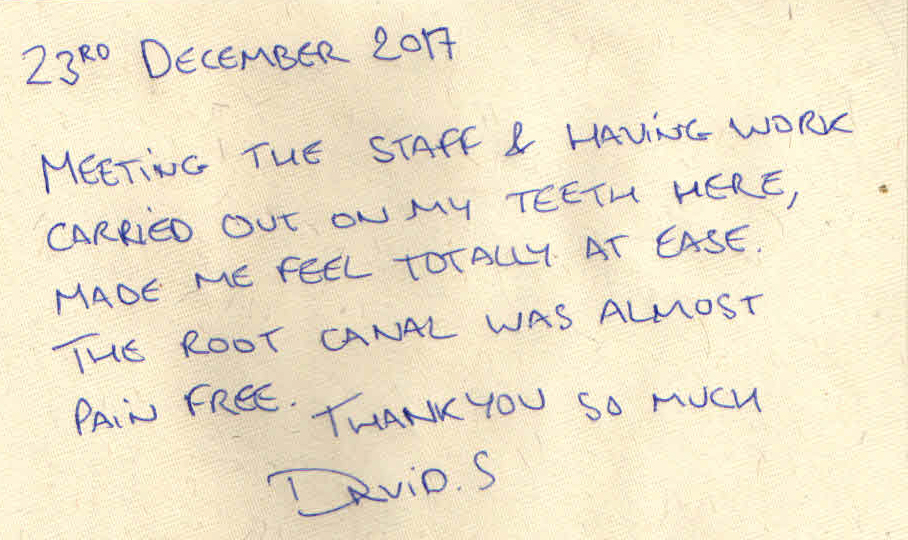
"The root canal was almost pain free....."
David Seeley
Location:- UK
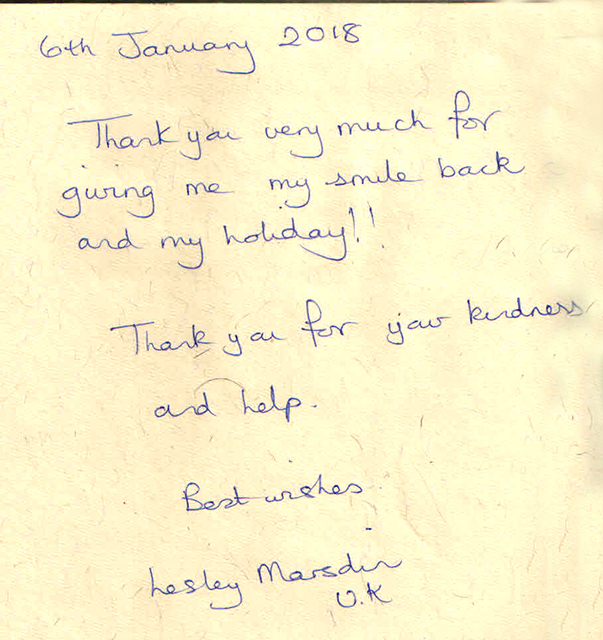
"Thank You very much for giving me my smile back and my holiday!....."
Lesley Marsdin
Location:- UK
"I even laughed when they screwed the posts in ! very professional even enjoyed it a bit"
Laurewce Moon
Location:- UK
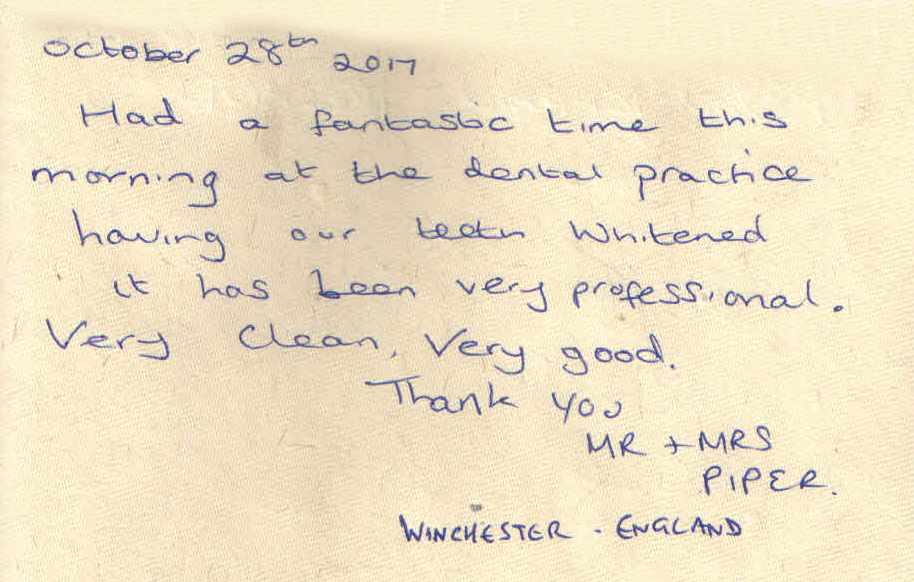
"It has been very professional. Very clean, very good......"
Mr. & Mrs. Piper
Location:-Winchester, England

"My emergency treatment was incredible kind and 1st class....."
Kevin Kahan
Location:- Ireland
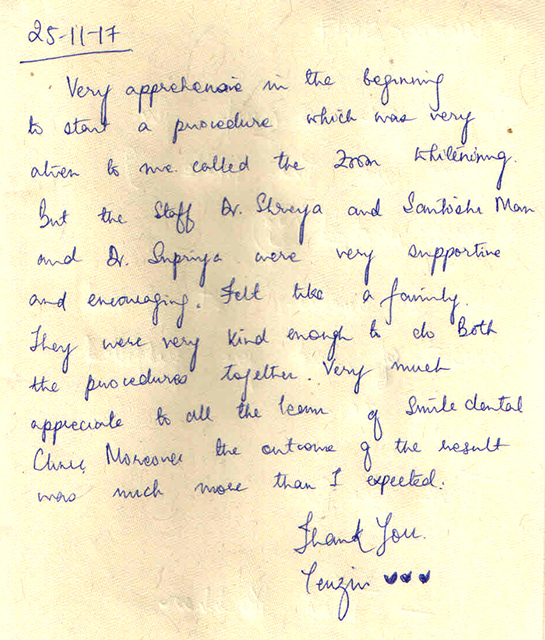

"The result was much more than I expected in zoom whitening....."
Tenzin
Location:- Bhutan
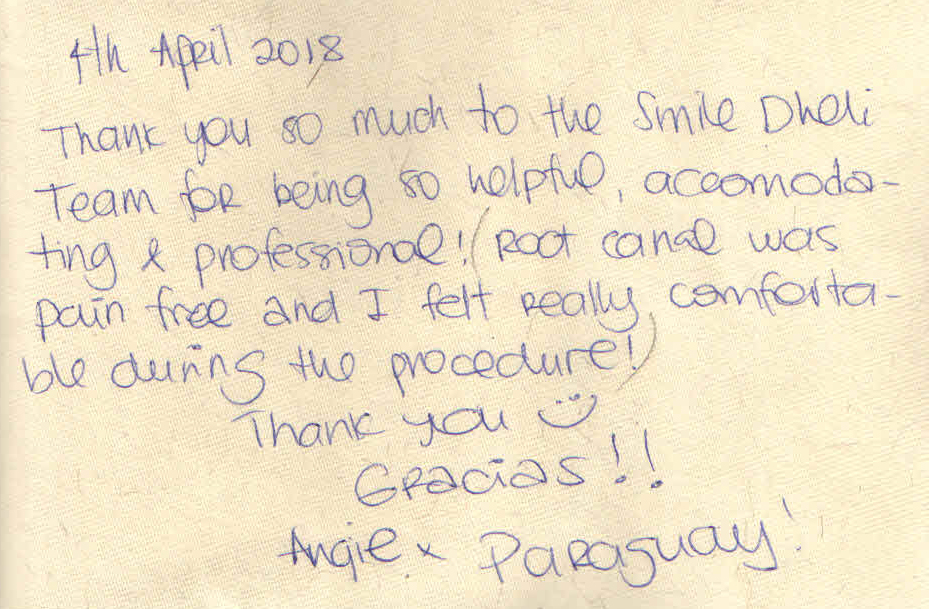

"Root canal was pain free and i felt really comfortable during the procedure....."
Angie
Location:- Paraguay
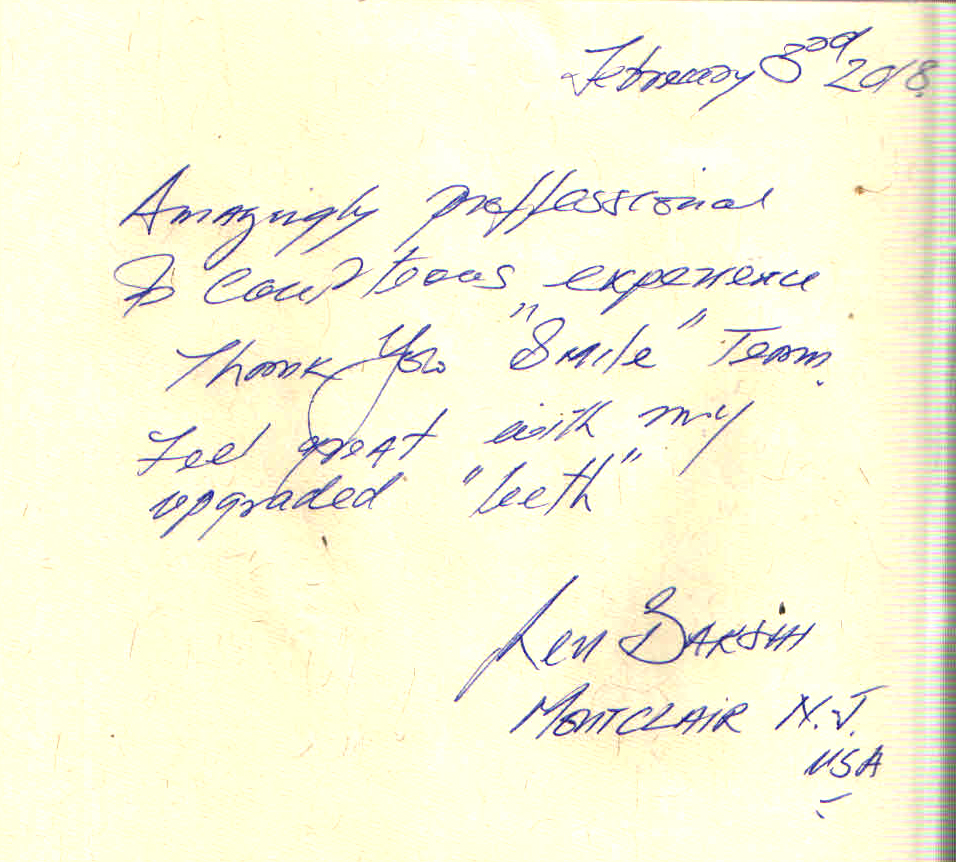
"Amazingly professional and courteous experience......"
Ken Bakshi
Location:- USA


"I had my teeth whitened amazing results!"
Paula Davey
Location:- Australia


"I would like to have sometimes so good dentist in Europe like Dr Suprriya..."
DANNY
Location:- Austria

"I would highly recommend Suprriya to anyone seeking good oral health care..."
ALLISON WEST
Location:- Australia


"Dr Suprriya, I just want to thank you for the very well done..."
MARIO
Location:- Columbia (Diplomat in India)