

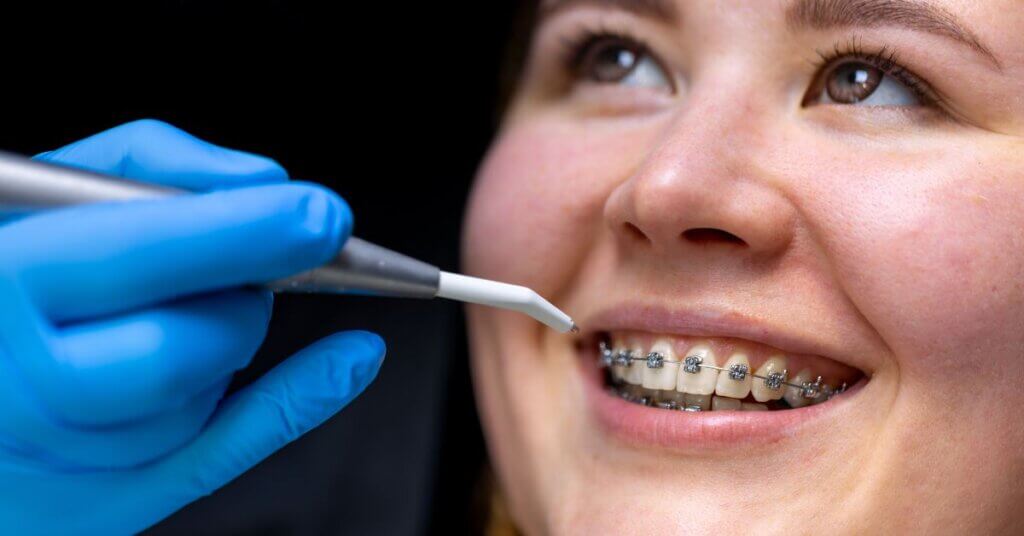
What Types of Dental Issues Can Braces Correct?
Many people believe orthodontic treatment is only for improving appearance, but it also supports better oral health. Misaligned teeth can affect chewing, speech, and daily cleaning.
Crooked or crowded teeth often create small spaces where food and bacteria collect, increasing the risk of cavities and gum problems. Bite issues may also place uneven pressure on teeth, leading to enamel wear or jaw discomfort.
Orthodontic treatment gradually moves teeth into healthier positions. Dentists often recommend braces to correct alignment problems and help patients maintain better function, comfort, and long-term dental health.
Why Teeth Alignment Matters for Oral Health
Teeth alignment plays an important role in maintaining a healthy mouth. When teeth fit together properly, everyday actions such as eating, speaking, and cleaning teeth become easier and more comfortable.
The Role of Straight Teeth in Daily Oral Care
When teeth overlap or sit too close together, toothbrush bristles cannot reach every surface. Food particles and plaque can remain trapped in small spaces between teeth.
Over time, this buildup may lead to tooth decay or gum irritation. In many cases, orthodontic treatment such as braces in Delhi can help correct crowded teeth and improve spacing.
Straight teeth allow better access during brushing and flossing. This makes it easier to maintain good oral hygiene and protect the teeth from cavities and gum disease. When teeth are properly aligned, patients can clean their mouth more effectively during daily oral care.
How Bite Problems Affect Jaw Function
Your bite refers to the way the upper and lower teeth meet when the mouth closes. When the bite is uneven, certain teeth may receive more pressure than others.
This uneven pressure can cause enamel to wear down faster. It may also create strain on the jaw joints, which can lead to discomfort while chewing. Correcting alignment helps distribute pressure more evenly across the teeth and improves the way the mouth functions.
Crowded Teeth and Why They Occur
Crowding is one of the most common dental issues that orthodontists treat. It happens when there is not enough space in the jaw for all the teeth to fit properly.
What Causes Teeth Crowding
Crowded teeth often develop because of genetics. Some people inherit a smaller jaw but larger teeth, which causes teeth to overlap or twist as they grow.
Another common reason for crowding is early loss of baby teeth. When baby teeth fall out too soon, nearby teeth may shift into the empty space. This movement may block permanent teeth from erupting in the correct position.
Crowding may also happen when permanent teeth grow at unusual angles due to limited space in the jaw.
How Orthodontic Treatment Helps Create Space
Orthodontic treatment works by slowly guiding teeth into better positions. Dentists move teeth gradually so that they fit properly within the dental arch.
As the teeth shift into alignment, spacing improves and the mouth becomes easier to clean. Creating proper space between teeth also helps improve chewing and bite balance.
Gaps Between Teeth
Spaces between teeth are another dental concern that orthodontic treatment can correct. Some people naturally have gaps, while others develop them due to dental changes.
Why Spaces Form Between Teeth
Gaps may occur when teeth are smaller compared to the jaw size. In this situation, extra room remains between teeth.
Missing teeth can also create gaps. When one tooth is absent, the surrounding teeth may move away from their normal position. Certain habits during childhood, such as thumb sucking, may also influence tooth spacing.
Oral Health Problems Linked to Gaps
Spaces between teeth can trap food and lead to plaque buildup. This may irritate the gums and increase the risk of gum problems over time.
Large gaps in the front teeth may also affect speech or cause people to feel less confident when smiling. Closing these spaces can improve both oral health and the overall appearance of the smile.
Overbite Problems
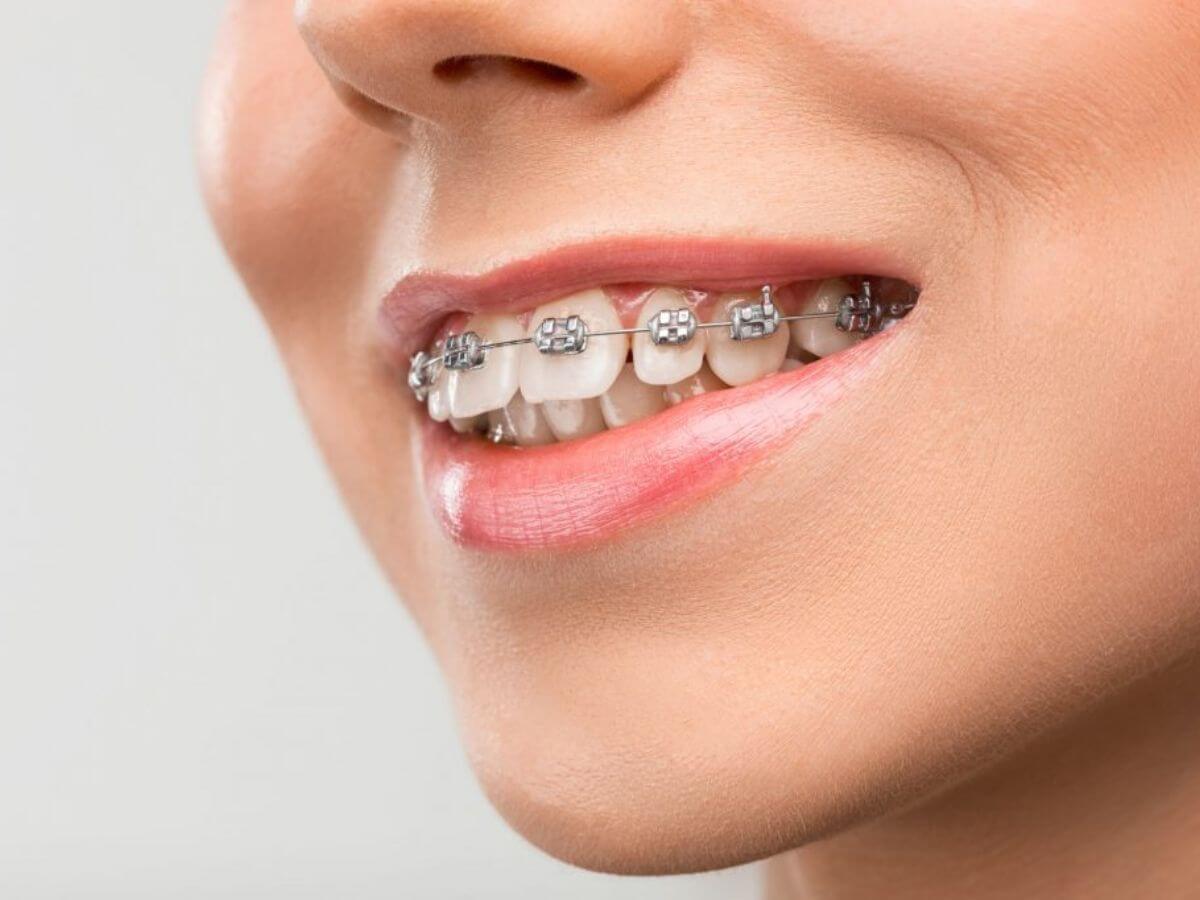
An overbite occurs when the upper front teeth overlap the lower teeth more than normal.
Understanding What an Overbite Is
A small overbite is common and considered normal for many people. However, when the overlap becomes too large, it may cause dental problems.
In such situations, consulting the best dentist in Delhi can help determine whether the bite alignment is within a healthy range or if treatment may be needed to prevent future complications.
In severe cases, the lower teeth may touch the roof of the mouth, which can cause discomfort and enamel wear.
Problems an Untreated Overbite Can Cause
If an overbite is not treated, it may lead to uneven tooth wear and jaw strain. Some people may also experience difficulty with certain sounds when speaking.
Orthodontic treatment can help reposition the teeth so the bite becomes more balanced and comfortable.
Underbite and Jaw Alignment Issues
An underbite happens when the lower teeth extend in front of the upper teeth.
How an Underbite Develops
Underbites often occur due to jaw growth patterns. In some cases, the lower jaw grows more than the upper jaw, which causes the teeth to sit forward. Genetics often plays a role in the development of this condition.
Functional Problems Caused by Underbites
Underbites may make chewing difficult because the teeth do not meet correctly. Over time, this misalignment can lead to uneven tooth wear and strain on the jaw. Correcting this problem improves both comfort and oral function.
Crossbite and Its Impact on Teeth
A crossbite occurs when some upper teeth sit inside the lower teeth instead of outside them.
What Happens During a Crossbite
Crossbites can occur in the front teeth or the back teeth. When this happens, the bite becomes uneven and certain teeth carry more chewing pressure. This uneven pressure may cause tooth wear and gum irritation over time.
Why Early Correction Is Helpful
If a crossbite continues for many years, it may affect jaw development and lead to further alignment problems. Early correction helps the teeth meet properly and protects the teeth from unnecessary stress.
Open Bite and Chewing Difficulties
An open bite occurs when the upper and lower teeth do not touch when the mouth closes.
What an Open Bite Looks Like
People with an open bite often have a visible gap between their upper and lower front teeth when they bite down. This gap may make it difficult to bite into foods such as sandwiches or fruits.
Habits That May Lead to Open Bite
Certain habits during childhood may affect the way teeth grow. Thumb sucking, prolonged pacifier use, or pushing the tongue against the teeth can contribute to this condition.
Orthodontic treatment helps guide the teeth into positions that allow proper contact during chewing.
Rotated or Misplaced Teeth
Sometimes teeth grow in the wrong direction or appear twisted. This can affect both the appearance of the smile and the function of the teeth.
Why Teeth Sometimes Grow in the Wrong Direction
Teeth may rotate when there is limited space in the jaw. When a tooth does not have enough room to erupt normally, it may turn or shift out of place. Nearby teeth may also block its path, causing it to grow at an angle.
How Orthodontic Treatment Helps Realign Them
Orthodontists apply gentle pressure over time to guide teeth back into proper alignment. braces slowly rotate and reposition teeth so they fit correctly within the dental arch. As the teeth move into better positions, both the smile and bite improve.
Jaw Pain and Bite Pressure Problems
Misaligned teeth can affect how pressure is distributed when chewing food. When some teeth receive more force than others, dental problems may develop over time.
Uneven Bite Pressure
If certain teeth carry most of the chewing pressure, they may wear down faster. This uneven pressure can also lead to tooth sensitivity. Balancing the bite allows all teeth to share the chewing load more evenly.
Long-Term Effects on Teeth and Jaw
Bite problems may also place stress on the jaw joints. Some people experience jaw discomfort or headaches because of poor alignment. Many patients today seek orthodontic treatment after learning about these long-term effects.
This awareness has increased interest in orthodontic care, especially in growing cities like Delhi where people are more focused on maintaining healthy smiles.
Conclusion
Dental alignment problems can affect more than appearance. Crowded teeth, gaps, and bite issues may impact chewing, speech, and oral hygiene.
Orthodontic treatment helps guide teeth into healthier positions, improving function and comfort. At Smile Delhi – The Dental Clinic, a consultation can help identify alignment concerns and recommend the right treatment.
Sources:
- https://www.ncbi.nlm.nih.gov/books/NBK592395/
- https://medlineplus.gov/ency/article/001058.htm
- https://www.health.gov.sc/health-care-agency/dental-services/orthodontics/
- https://pmc.ncbi.nlm.nih.gov/articles/PMC9379163/

Dr. Suprriya B. Bhatia is a highly experienced dental professional with over 25 years of clinical expertise. A leading dentist in South Delhi, she is the founder of Smile Delhi – The Dental Clinic and specialises in cosmetic dentistry, dental implants, and smile makeovers. Dr. Suprriya B. Bhatia is known for her compassionate, patient-centred approach and commitment to creating healthy, confident smiles for patients from India and abroad.


"Extremely good service and care..."
Tim Gound
Location:- U. K.
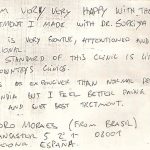

"The standard of the clinic is like a first country’s clinic..."
PEDRO MORAES
Location:- Brazil


"Me and my family were very reluctant to undergo my dental treatment in India, but..."
RICHARD SALDANHA
Location:- Peru, South America


"The hygiene is good, the care up to European standards if not better. Strong on explaining..."
THOMAS BAINS
Location:- European Commission
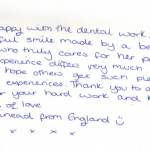
"A new beautiful smile made by a beautiful lady who truly cares for her patients..."
Sinead
Location:- England
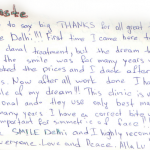

"I have the smile of my dream….This clinic is very professional and they use only best materials..."
Alla Lu
Location:- Russia


"Thank you so much for making my dream come true to have a perfect smile..."
Jacyln Gopinathan
Location:- Mindro Philippines


"I felt very comfortable through my treatment and i had 100% trust in you..."
Arnar Gislason
Location:- Iceland
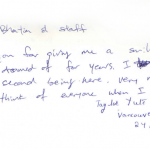

"Thank you for giving me a smile that i’ve dreamed of for years..."
Yuto Harrison
Location:- Canada
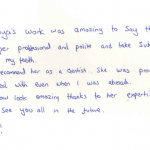

"Dr. Suprriya’s work was amazing…. She is super professional and polite..."
Todd
Location:- Australia
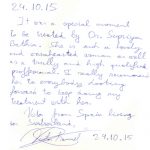

"Dr. Suprriya is such a lovely and warm hearted woman as well as a truly and high qualified professional..."
Victor Vique
Location:- Switzerland


"After travelling all through India and visiting 7 different clinics, this..."
JEFF MC CLEAN
Location:- New Zealand

"From the moment i got here i knew i had made the right decision."


"Thank you so much, Dr. Suprriya! I am so grateful for you and your practice."

"Very attentive and grateful for the results. I will keep in Touch"

"You saved my teeth. Lovely clinic and very professional staff..."


"My teeth are 7-8 shades whiter, thanks to you and your team..."

"Thank you very much dr. suprriya for wonderful treatment for implants and bridge and giving me my smile back."
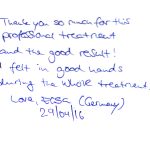

"Felt in good hands during the whole treatment..."

"Visited many dentist around the world and smile delhi definitely gives you a great smile..."
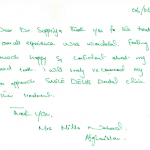

"Over all experience was wonderful…"
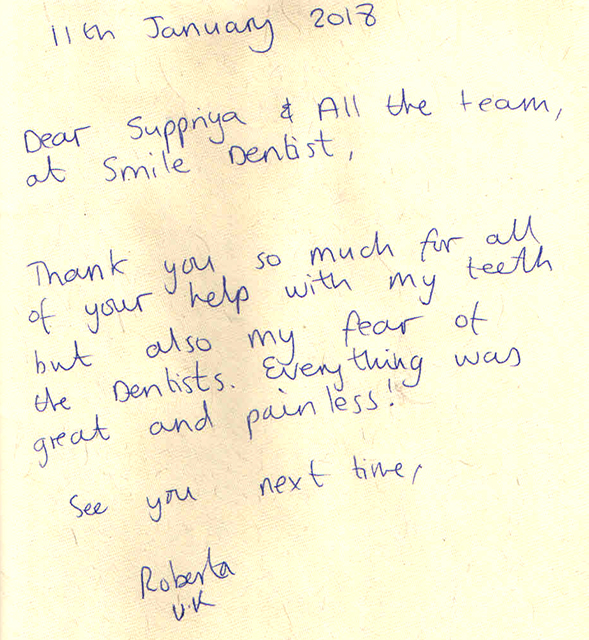
"Every thing was great and pain less !....."
Roberta
Location:- UK

"Dr. Suprriya is such a lovely and warm hearted woman as well as a..."
Victor
Location:- Switzerland
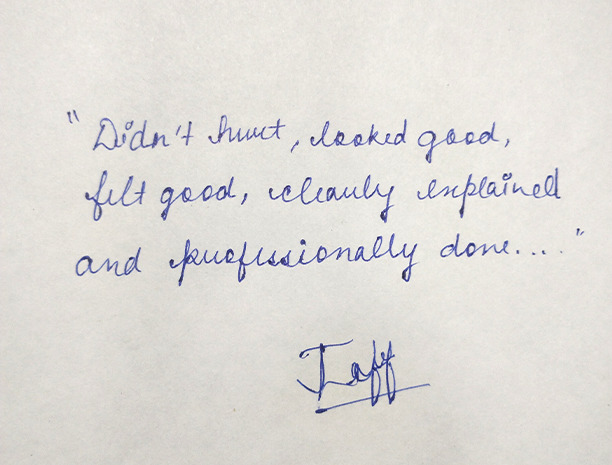

"Didn’t hurt, looked good, felt good, clearly explained and professionally done..."
Jeff
Location:- New zealand

"Dr. Supria is a unic dentice and an exellent person..”, “…honest and direct.."
Yaron Mayer
Location:- Israel Embassy

"Dr. Suprriya is very gentle and excellent human being. A perfect Dentist I...."
Uarely
Location:- Finland


"You treated me gentle as a child!..."
Andreas
Location:- Norway


"You are probably one of the best dentist I have ever been to in the last 50 years..."
Usama
Location:- Saudi Arabia
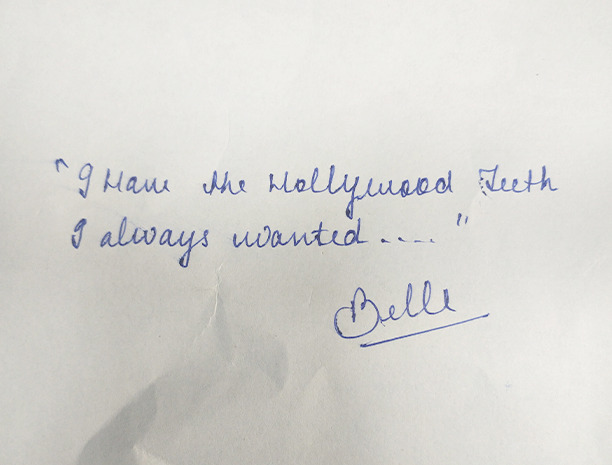

"I have the Hollywood teeth I always wanted…"
Belle
Location:- Canada
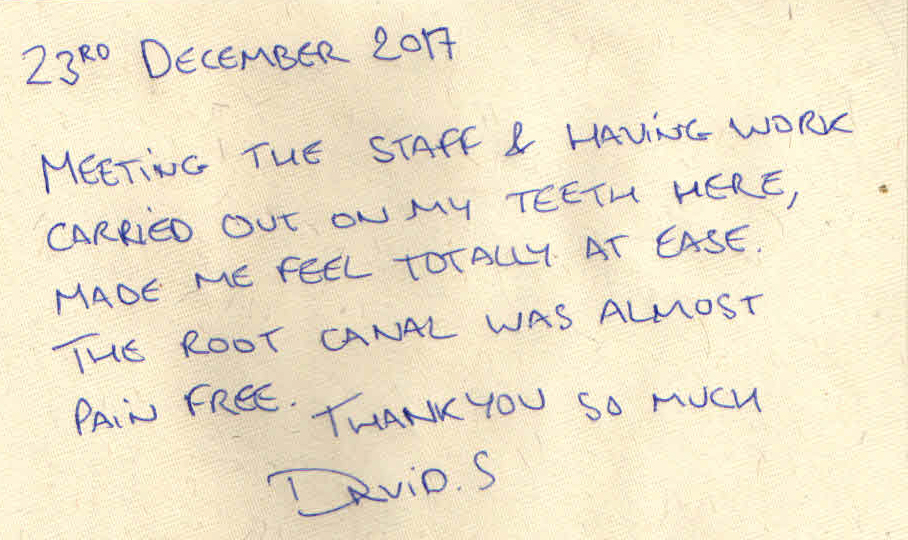
"The root canal was almost pain free....."
David Seeley
Location:- UK
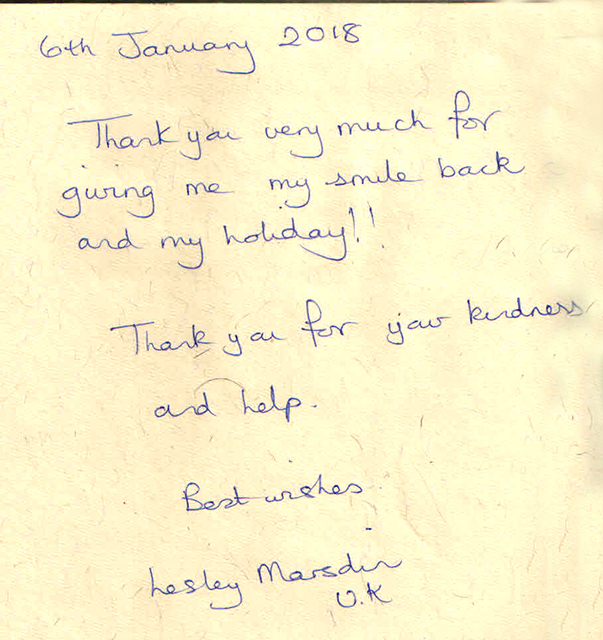
"Thank You very much for giving me my smile back and my holiday!....."
Lesley Marsdin
Location:- UK
"I even laughed when they screwed the posts in ! very professional even enjoyed it a bit"
Laurewce Moon
Location:- UK
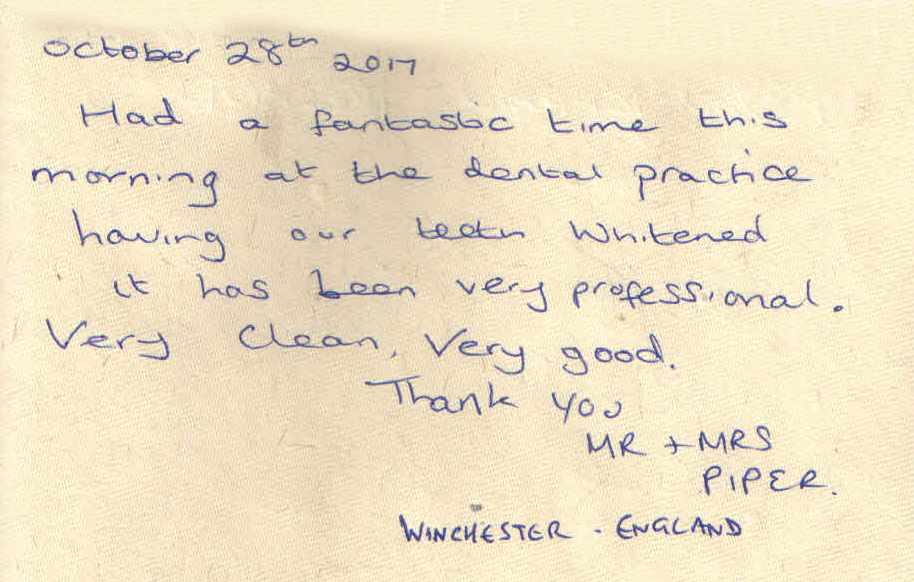
"It has been very professional. Very clean, very good......"
Mr. & Mrs. Piper
Location:-Winchester, England

"My emergency treatment was incredible kind and 1st class....."
Kevin Kahan
Location:- Ireland
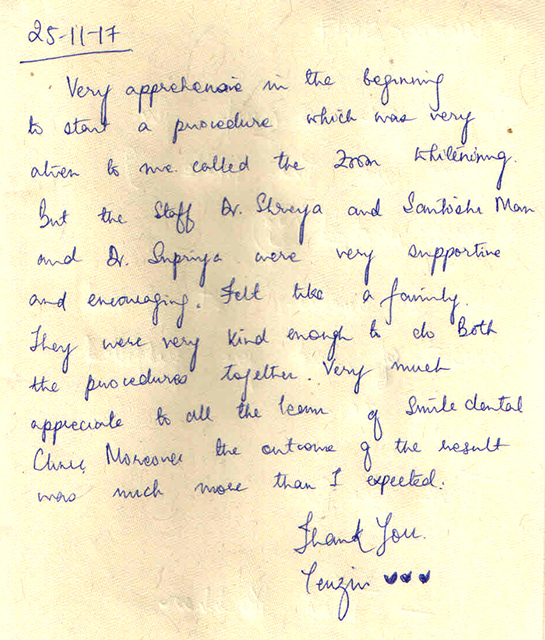

"The result was much more than I expected in zoom whitening....."
Tenzin
Location:- Bhutan
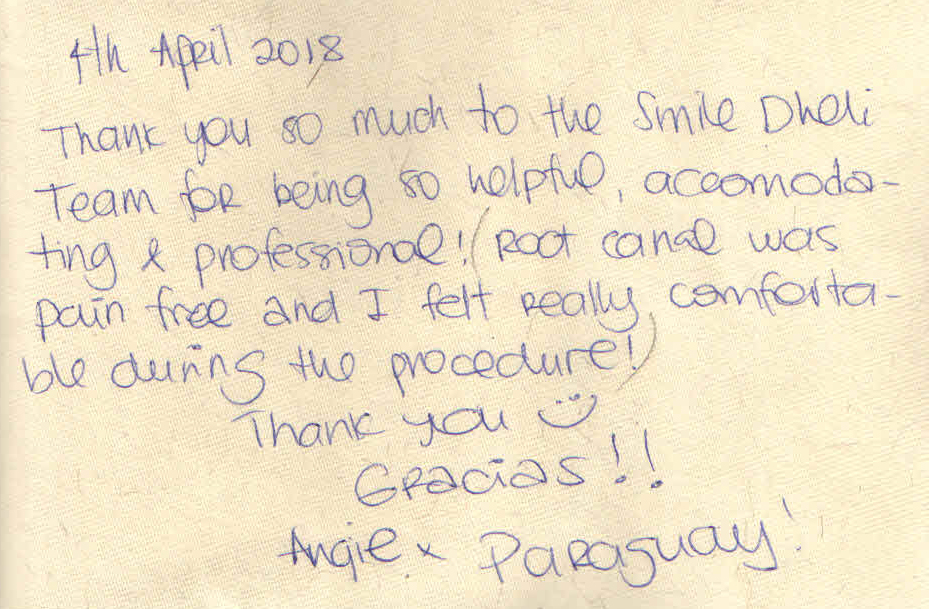

"Root canal was pain free and i felt really comfortable during the procedure....."
Angie
Location:- Paraguay
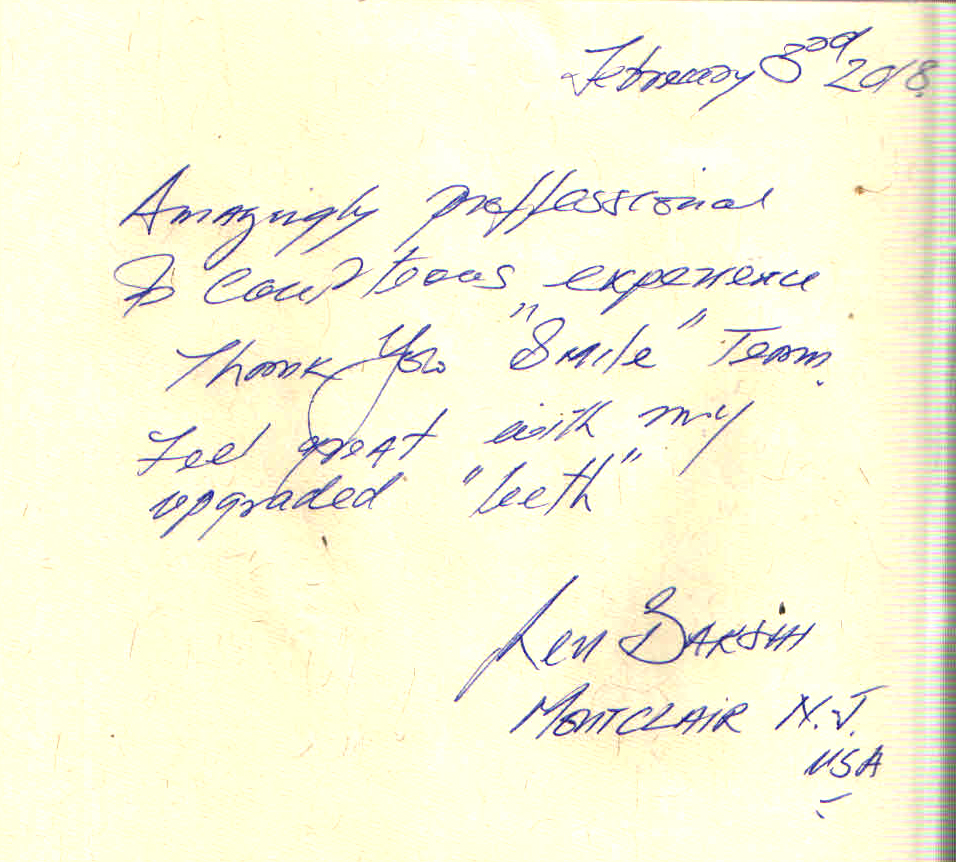
"Amazingly professional and courteous experience......"
Ken Bakshi
Location:- USA


"I had my teeth whitened amazing results!"
Paula Davey
Location:- Australia


"I would like to have sometimes so good dentist in Europe like Dr Suprriya..."
DANNY
Location:- Austria

"I would highly recommend Suprriya to anyone seeking good oral health care..."
ALLISON WEST
Location:- Australia


"Dr Suprriya, I just want to thank you for the very well done..."
MARIO
Location:- Columbia (Diplomat in India)