
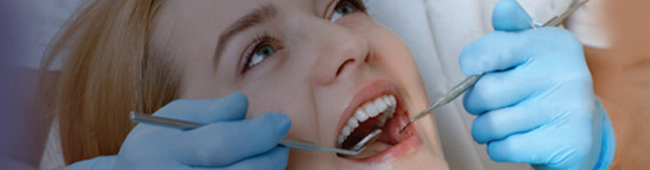

Is Getting a Dental Implant Painful? What to Expect?
Very few dental questions cause as much hesitation as this one. You have lost a tooth, you know an implant is an option, and yet the thought of a titanium post being placed into your jawbone stops the conversation before it starts.
If worry about pain has kept you from looking seriously at dental implants in Delhi, you are in good company, fear of the procedure is one of the most common reasons people live with a gap for years.
Here is the honest answer: implant treatment is surgery, and surgery involves a healing period with some soreness. But the procedure itself is carried out under anaesthetic, and the recovery most patients describe is closer to manageable discomfort than to the ordeal they had pictured.
This guide covers what you are likely to feel during surgery, what the first week tends to look like, which factors make some recoveries harder than others, how to judge whether an implant plan suits you, and the warning signs that mean you should call your dentist rather than wait it out. Timelines and risks below are general patterns, not promises about your case.
What Should You Expect Before Getting Dental Implants in Delhi?
A dental implant is a small titanium or titanium alloy post placed into the jawbone to replace the root of a missing tooth. Once healed, it supports a crown, bridge or denture. As Leeds Teaching Hospitals NHS Trust describes it, the implant takes over the root portion of the tooth, and the visible replacement tooth is fitted on top of it at a later stage.
Assessment comes first: a clinical examination, X,rays or a 3D scan to measure bone height and width, a review of your medical history and medicines, and a written treatment plan setting out the stages and timeline.
If you visit a dentist in Delhi, your dentist will explain that implant treatment is usually carried out over several appointments rather than in a single visit. According to Guy’s and St Thomas’ NHS Foundation Trust, the process can take six to twelve months from the initial assessment to the final restoration, with most of that time devoted to healing rather than surgery.
The surgery itself is more controlled than the word suggests. Your dentist numbs the area, makes a small opening in the gum, prepares a channel in the bone to a planned depth and angle, places the implant, and closes the gum with a few stitches.
What anaesthesia and sedation options are available?
Guy’s and St Thomas’ NHS Foundation Trust points out that local anaesthesia, sedation, medication that helps you feel relaxed and drowsy, or a general anaesthetic may be offered depending on the case and the patient. Which option is appropriate for you depends on your medical history, how many implants are being placed, how long the appointment will run, and your own anxiety levels.
At Smile Delhi – The Dental Clinic, your dentist will review these factors with you before treatment, explain the available options, and recommend an approach that is appropriate for your individual needs.
It also helps to tell your dental team about every medicine you take and every health condition you manage, including diabetes and blood,and thinning medication. These do not automatically rule out implants, but they do change how your treatment, your anaesthesia and your recovery are planned.
How Does Implant Discomfort Compare to Having a Tooth Removed?
Many patients describe a single implant placement as comparable to a straightforward tooth extraction, and some find it easier, although individual experiences vary considerably.
If you are considering dental implants in south delhi, it is helpful to understand that an extraction involves removing a tooth from the bone, while implant placement involves creating a carefully planned and controlled opening in the jawbone to position the implant. Your dentist will assess your individual situation and explain what you can expect before recommending treatment.
The scale of the treatment matters more than the treatment type. A single implant in an area with healthy bone is a smaller event than several implants placed in one visit, or an implant combined with a bone graft.
Neither comparison predicts your experience. They simply offer a reference point closer to reality than the worst case picture most people arrive with.

When Is Implant Pain a Sign Something Is Wrong?
Pain that intensifies after the third day, rather than easing, is the clearest signal that something needs checking. Normal recovery follows a downward curve. An upward curve, worsening ache, spreading swelling, a bad taste, discharge, fever, or a dental implant that feels loose, warrants a prompt call to your dental clinic rather than a wait,and,see approach.
Persistent burning, tingling or numbness in the lip, chin or tongue also deserves urgent attention. A clinical update published in The Journal of the American Dental Association described nerve-related pain following implant placement, characterised by burning, sharp and electrical sensations along with altered feeling in the lower lip.
The same update noted that the incidence of nerve injury after dental surgical procedures, including implant placement, is higher than has commonly been assumed. Reported rates vary widely between studies, which is precisely why symptoms of this kind should be assessed early rather than monitored at home.
None of this means implants are inherently risky. It means that, as of 2026, the sensible approach is knowing which symptoms belong to ordinary healing and which do not, so you neither panic over a normal day,two swelling nor ignore something that needs treating.
Frequently Asked Questions
How long does pain last after a dental implant?
Recovery varies between patients. Many find discomfort is highest in the first 48 to 72 hours and eases over the following days, with mild tenderness sometimes lingering for a couple of weeks. Pain that increases after day three, or returns weeks later, is not part of expected healing and should be assessed by your dentist.
Will I be awake during dental implant surgery?
Most single implant procedures are carried out under local anaesthetic with the patient fully awake, feeling pressure rather than pain. Sedation, which makes you feel sleepy and relaxed, may be offered for anxious patients or longer appointments, and a general anaesthetic is used in selected cases. Discuss which option suits your medical history at your consultation.
Is a dental implant more painful than a root canal?
Many patients describe the two as broadly comparable, since both are performed under local anaesthetic and both leave some post,treatment tenderness. Implant recovery tends to involve more swelling, while root canal soreness is often felt more on biting pressure. Individual experience varies with case complexity.
Does the healing phase between surgery and the crown hurt?
Most patients report no ongoing sensation during osseointegration. Once the initial soft tissue soreness settles in the first couple of weeks, the months during which bone fuses to the implant are usually uneventful. New or worsening pain during this phase is not expected and should be reviewed by your dentist.
Can I go to work the day after implant surgery?
Many patients in deskbased work return within a few days, once swelling begins to settle. Heavy physical work, gym training and travel are generally better postponed. Your dentist will advise on timing based on how many implants were placed and whether grafting was involved.
The Bottom Line
Fear of pain keeps far more people out of the dentist’s chair than the experience itself tends to justify. The procedure is carried out under anaesthetic, the difficult stretch is usually measured in days rather than weeks, and the long integration phase that follows is normally uneventful.
What separates a smooth recovery from a difficult one is rarely luck, it is a properly assessed treatment plan, an honest conversation about sedation and anxiety, and consistent aftercare through that first week. At Smile Delhi – The Dental Clinic, your dentist will discuss each stage of the procedure, answer your questions, and provide personalised aftercare instructions to support a comfortable recovery based on your individual treatment needs.
If a missing tooth has been changing how you eat or how you feel about your smile, the useful next step is an assessment rather than more reading. A consultation at Smile Delhi – The Dental Clinic will tell you what your jaw actually needs, what your recovery would realistically involve, and whether an implant is the right option for you at all.
This article provides general information about dental implant treatment and recovery. It is not a substitute for an individual clinical assessment. Treatment outcomes, timelines and recovery experiences differ from patient to patient. Please consult a registered dental practitioner about your own circumstances.
Sources:
- Leeds Teaching Hospitals NHS Trust. (n.d.). Dental Implants. Available at: https://www.leedsth.nhs.uk/patients/resources/dental-implants/
- Guy’s and St Thomas’ NHS Foundation Trust. (n.d.). Dental implants. Available at: https://www.guysandstthomas.nhs.uk/health-information/dental-implants
- Guy’s and St Thomas’ NHS Foundation Trust. (n.d.). Dental implants – After having a dental implant. Available at: https://www.guysandstthomas.nhs.uk/health-information/dental-implants/after-having-dental-implant
- Guy’s and St Thomas’ NHS Foundation Trust. (n.d.). Dental implants – Having a dental implant. Available at: https://www.guysandstthomas.nhs.uk/health-information/dental-implants/having-dental-implant

Dr. Suprriya B. Bhatia is a highly experienced dental professional with over 25 years of clinical expertise. A leading dentist in South Delhi, she is the founder of Smile Delhi – The Dental Clinic and specialises in cosmetic dentistry, dental implants, and smile makeovers. Dr. Suprriya B. Bhatia is known for her compassionate, patient-centred approach and commitment to creating healthy, confident smiles for patients from India and abroad.


"Extremely good service and care..."
Tim Gound
Location:- U. K.


"The standard of the clinic is like a first country’s clinic..."
PEDRO MORAES
Location:- Brazil


"Me and my family were very reluctant to undergo my dental treatment in India, but..."
RICHARD SALDANHA
Location:- Peru, South America


"The hygiene is good, the care up to European standards if not better. Strong on explaining..."
THOMAS BAINS
Location:- European Commission
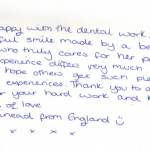
"A new beautiful smile made by a beautiful lady who truly cares for her patients..."
Sinead
Location:- England
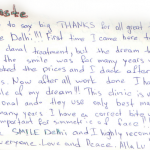

"I have the smile of my dream….This clinic is very professional and they use only best materials..."
Alla Lu
Location:- Russia


"Thank you so much for making my dream come true to have a perfect smile..."
Jacyln Gopinathan
Location:- Mindro Philippines


"I felt very comfortable through my treatment and i had 100% trust in you..."
Arnar Gislason
Location:- Iceland
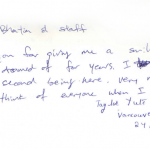

"Thank you for giving me a smile that i’ve dreamed of for years..."
Yuto Harrison
Location:- Canada
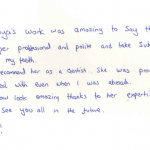

"Dr. Suprriya’s work was amazing…. She is super professional and polite..."
Todd
Location:- Australia
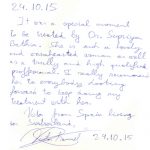

"Dr. Suprriya is such a lovely and warm hearted woman as well as a truly and high qualified professional..."
Victor Vique
Location:- Switzerland


"After travelling all through India and visiting 7 different clinics, this..."
JEFF MC CLEAN
Location:- New Zealand

"From the moment i got here i knew i had made the right decision."


"Thank you so much, Dr. Suprriya! I am so grateful for you and your practice."

"Very attentive and grateful for the results. I will keep in Touch"

"You saved my teeth. Lovely clinic and very professional staff..."


"My teeth are 7-8 shades whiter, thanks to you and your team..."

"Thank you very much dr. suprriya for wonderful treatment for implants and bridge and giving me my smile back."
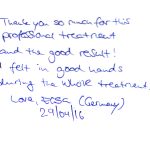

"Felt in good hands during the whole treatment..."

"Visited many dentist around the world and smile delhi definitely gives you a great smile..."
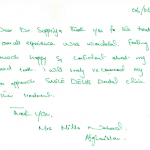

"Over all experience was wonderful…"
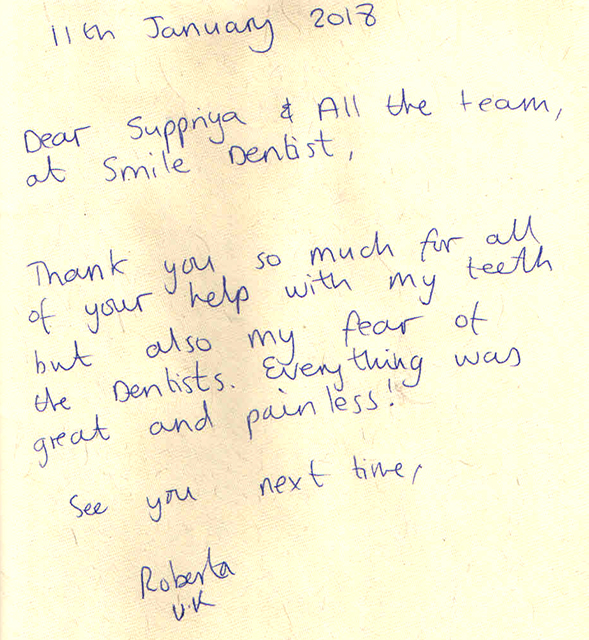
"Every thing was great and pain less !....."
Roberta
Location:- UK

"Dr. Suprriya is such a lovely and warm hearted woman as well as a..."
Victor
Location:- Switzerland
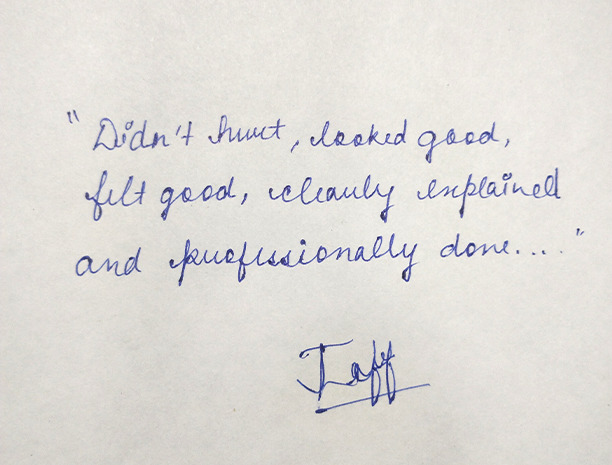

"Didn’t hurt, looked good, felt good, clearly explained and professionally done..."
Jeff
Location:- New zealand

"Dr. Supria is a unic dentice and an exellent person..”, “…honest and direct.."
Yaron Mayer
Location:- Israel Embassy

"Dr. Suprriya is very gentle and excellent human being. A perfect Dentist I...."
Uarely
Location:- Finland


"You treated me gentle as a child!..."
Andreas
Location:- Norway


"You are probably one of the best dentist I have ever been to in the last 50 years..."
Usama
Location:- Saudi Arabia
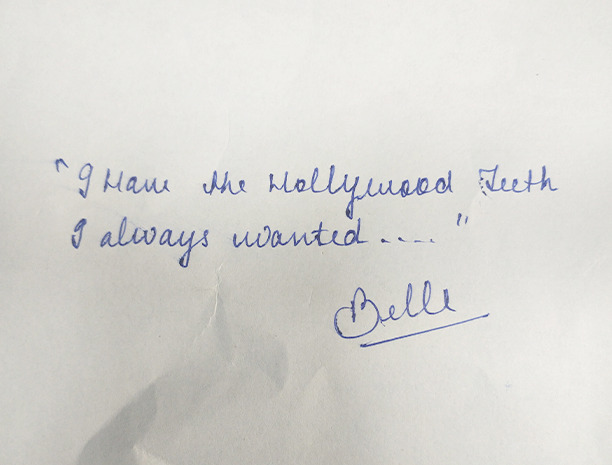

"I have the Hollywood teeth I always wanted…"
Belle
Location:- Canada
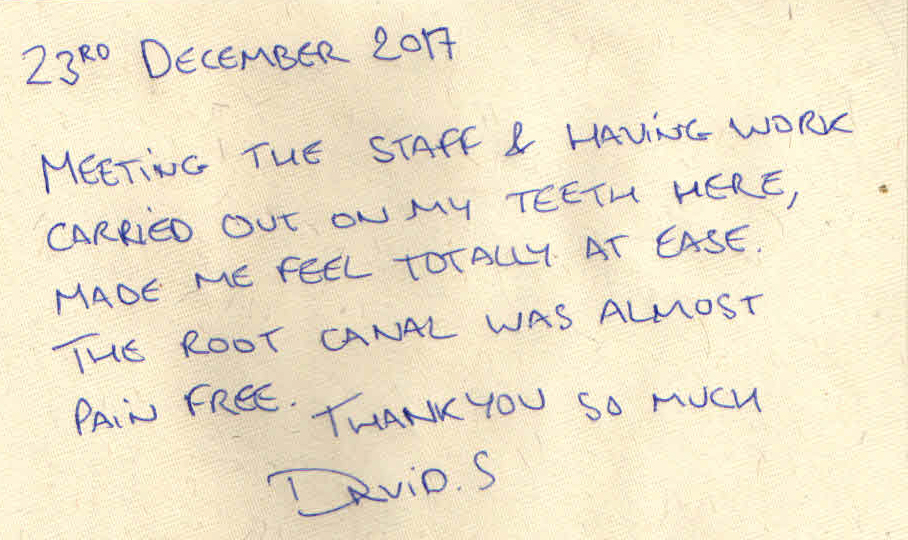
"The root canal was almost pain free....."
David Seeley
Location:- UK
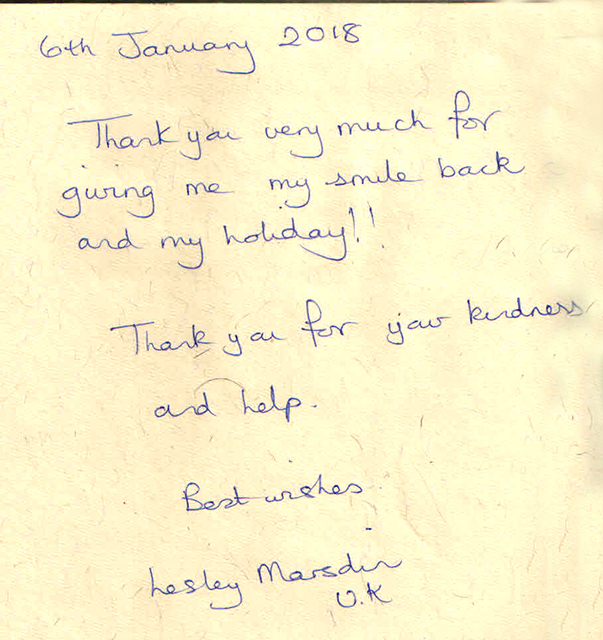
"Thank You very much for giving me my smile back and my holiday!....."
Lesley Marsdin
Location:- UK
"I even laughed when they screwed the posts in ! very professional even enjoyed it a bit"
Laurewce Moon
Location:- UK
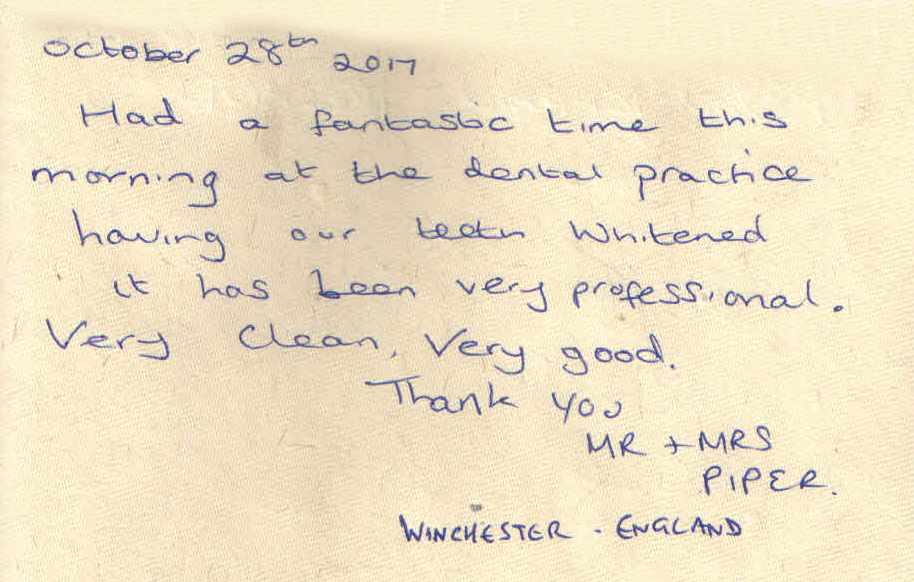
"It has been very professional. Very clean, very good......"
Mr. & Mrs. Piper
Location:-Winchester, England

"My emergency treatment was incredible kind and 1st class....."
Kevin Kahan
Location:- Ireland
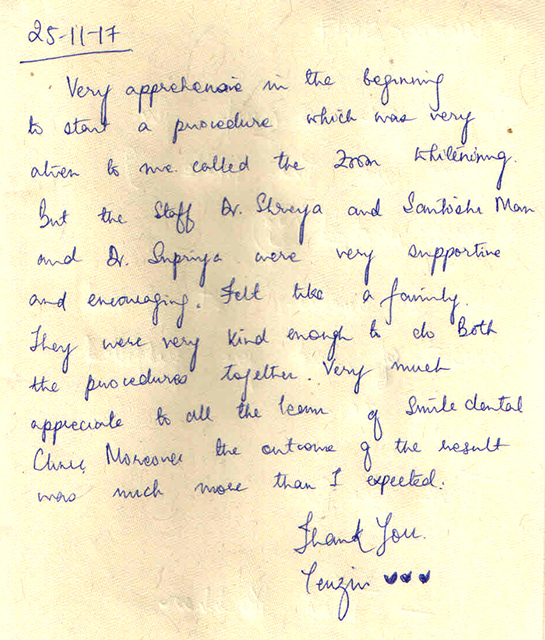

"The result was much more than I expected in zoom whitening....."
Tenzin
Location:- Bhutan
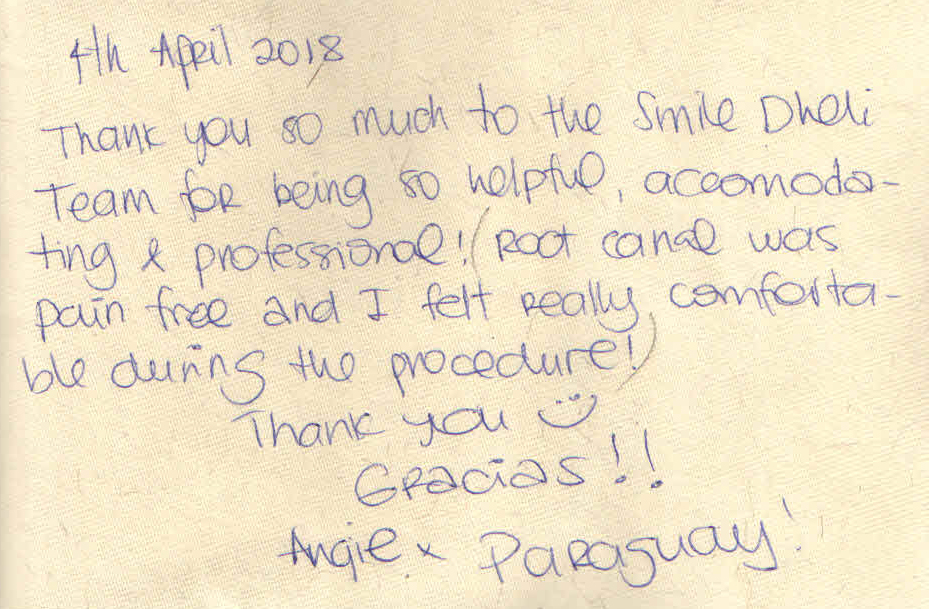

"Root canal was pain free and i felt really comfortable during the procedure....."
Angie
Location:- Paraguay
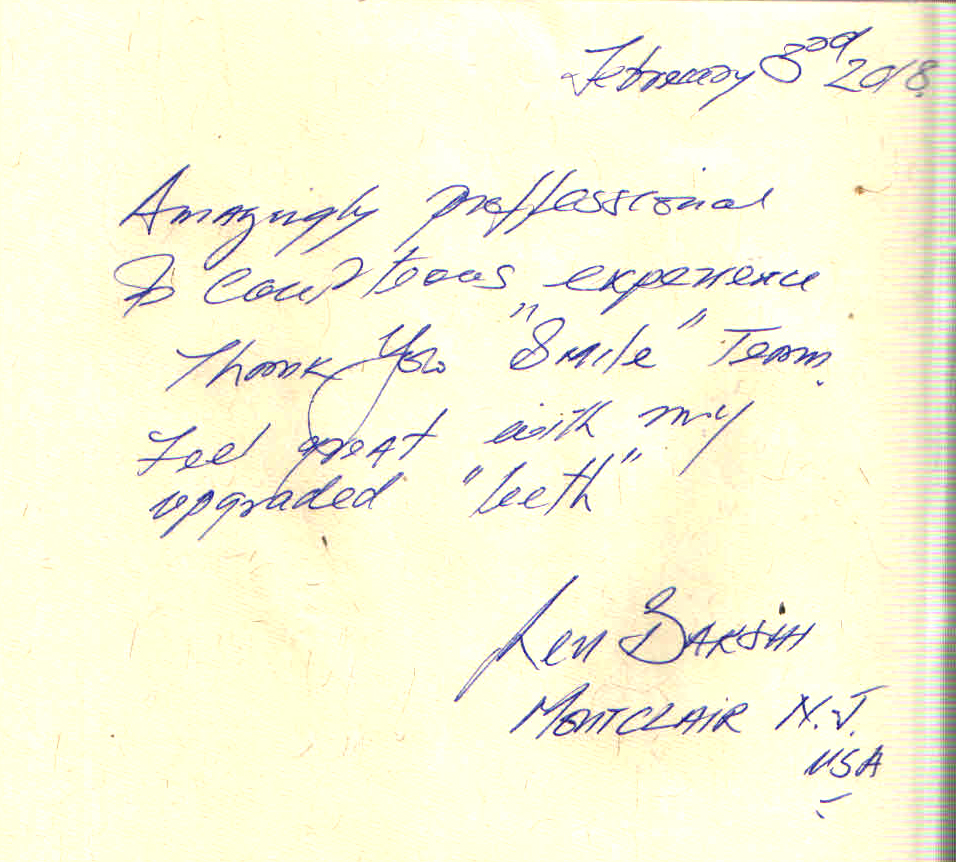
"Amazingly professional and courteous experience......"
Ken Bakshi
Location:- USA


"I had my teeth whitened amazing results!"
Paula Davey
Location:- Australia


"I would like to have sometimes so good dentist in Europe like Dr Suprriya..."
DANNY
Location:- Austria

"I would highly recommend Suprriya to anyone seeking good oral health care..."
ALLISON WEST
Location:- Australia


"Dr Suprriya, I just want to thank you for the very well done..."
MARIO
Location:- Columbia (Diplomat in India)