


What Is the Healing Process for Dental Implants?
Getting dental implants can feel like a big step, especially if you have never had oral surgery before. Many people feel excited about restoring their smile but also wonder what happens after the procedure. The healing process is a very important part of treatment, and understanding it can help you feel more prepared and relaxed.
Dental implants are small titanium posts placed into the jawbone to replace missing teeth. They act like natural tooth roots and support crowns, bridges, or dentures. While the placement procedure is usually quick, healing takes time because your body needs to bond with the implant.
In Delhi, many people choose implants because they look natural and can last for many years. However, the success of implants depends on how well your body heals after the procedure. Let’s understand the full healing process step by step in a simple and clear way.
What Happens Right After Dental Implant Surgery?
Right after your dental implant is placed, your body begins healing immediately. You may notice mild swelling, slight discomfort, or minor bleeding, which are normal responses to the procedure.
The dentist carefully places the implant into your jawbone and may cover it with gum tissue. In many cases involving dental implants in Delhi, a temporary tooth may be added, though sometimes the area is left to heal before placing the final crown.
During the first one to two days, rest is essential for proper recovery. Avoid heavy activity, eat soft foods, and maintain good oral hygiene. Most people begin to feel better within a few days as healing progresses steadily.
The Stages of Healing After Dental Implants
Healing after dental implants happens in different stages. Each stage plays a key role in making the implant strong and stable.
Initial Healing (First Week)
In the first week, your gums begin to heal around the implant. Swelling and soreness slowly decrease, and you start feeling more comfortable.
During this time, your dentist may advise you to eat soft foods such as yogurt, soups, and mashed vegetables. Gentle brushing and rinsing help keep the area clean and prevent infection.
Although this stage is short, it is very important because it sets the base for the next phase of healing.
Bone Healing and Osseointegration
This is the most important stage of the healing process. It is called osseointegration, which means the implant connects with your jawbone.
During this phase, your bone grows around the implant and locks it in place. This makes the implant strong, just like a natural tooth root. This process usually takes between three to six months.
It may feel like a long wait, but this step is what makes dental implants reliable and long-lasting. Without proper bonding between the implant and bone, the treatment may not work as expected.
Final Restoration Stage
Once the implant is fully attached to the bone, the dentist moves to the final stage. A crown or artificial tooth is placed on top of the implant.
At this point, your new tooth looks and works like a natural one. You can eat your favorite foods, speak clearly, and smile with confidence again.
How Long Does the Healing Process Take?
The healing process for dental implants usually takes a few months, although the exact timeline can vary from person to person. In the first few days, swelling and discomfort gradually reduce as the body begins to recover.
Many patients visit a trusted dental clinic in Delhi during this stage for follow-up care and guidance to ensure proper healing. Within one to two weeks, the gums start to heal around the implant.
The longest phase is when the bone bonds with the implant, which may take three to six months. After successful healing, the final tooth is placed to restore function and appearance.

What Factors Affect Healing Time?
Healing speed can vary from person to person. Some people heal quickly, while others may take more time.
Overall Health
Your general health plays a big role in healing. If you are healthy, your body can recover faster. Conditions like diabetes or low immunity may slow down the healing process.
Bone Quality
The strength of your jawbone is very important. A strong bone helps the implant stay stable. If the bone is weak, your dentist may suggest a bone graft before placing the implant.
Oral Hygiene
Keeping your mouth clean is very important. Good brushing and regular dental care reduce the risk of infection and support faster healing.
Lifestyle Habits
Habits like smoking or drinking alcohol can delay healing. Avoiding these habits during recovery can improve your results.
Tips for a Smooth Healing Process
Taking care of yourself after surgery can make a big difference in how fast and comfortably you heal.
Following your dentist’s instructions is the most important step. Every patient is different, so your dentist will guide you based on your condition.
Eating soft foods in the beginning helps protect the implant area. Avoid hard or crunchy foods that can disturb healing.
Maintaining oral hygiene is also very important. Clean your teeth gently and keep the implant area free from bacteria.
Using an ice pack in the first 24 hours can help reduce swelling. Also, avoid putting pressure on the implant area while chewing until your dentist allows it.
What Do Patients Usually Experience?
Many patients feel that the healing process is easier than they expected. Mild discomfort is common, but it usually goes away within a few days.
Some people return to their normal routine quickly, while others may take a little longer. The experience can vary, but most patients heal without major problems.
If you notice unusual pain, swelling that does not go away, or any signs of infection, it is important to contact your dentist as soon as possible.
Are There Any Risks During Healing?
Dental implants are generally safe, but like any procedure, there are small risks involved.
Some possible issues include infection at the implant site, the implant not bonding properly with the bone, or irritation in the gums.
These problems are not very common and can often be avoided with proper care and regular dental visits.
Patients who choose Dental Implants in Delhi often benefit from modern technology and experienced dentists, which helps reduce these risks.
Why Patience Matters in Implant Healing
It is normal to want fast results, but dental implant healing takes time. Each stage is important, and rushing the process can affect the final outcome.
You can think of it like building a strong foundation for a house. If the base is strong, everything else will last longer.
The healing period allows the implant to become stable and secure. This is what makes dental implants a long-term solution for missing teeth.
Conclusion
The healing process for dental implants happens step by step, starting from gum healing to full bonding with the jawbone.
Although it may take a few months, each stage plays an important role in the success of the treatment. With proper care, patience, and regular dental visits, most people experience a smooth recovery and long-lasting results.
If you are planning your treatment, Smile Delhi – The Dental Clinic can guide you through every stage and help you feel comfortable and confident throughout your dental implant journey.
Source Urls:
- https://www.fda.gov/medical-devices/dental-devices/dental-implants-what-you-should-know
- https://en.wikipedia.org/wiki/Dental_implant
- https://www.colgate.com/en-us/oral-health/implants/what-are-dental-implants
- https://www.ncbi.nlm.nih.gov/books/NBK470448/

Dr. Suprriya B. Bhatia is a highly experienced dental professional with over 25 years of clinical expertise. A leading dentist in South Delhi, she is the founder of Smile Delhi – The Dental Clinic and specialises in cosmetic dentistry, dental implants, and smile makeovers. Dr. Suprriya B. Bhatia is known for her compassionate, patient-centred approach and commitment to creating healthy, confident smiles for patients from India and abroad.


"Extremely good service and care..."
Tim Gound
Location:- U. K.


"The standard of the clinic is like a first country’s clinic..."
PEDRO MORAES
Location:- Brazil


"Me and my family were very reluctant to undergo my dental treatment in India, but..."
RICHARD SALDANHA
Location:- Peru, South America


"The hygiene is good, the care up to European standards if not better. Strong on explaining..."
THOMAS BAINS
Location:- European Commission
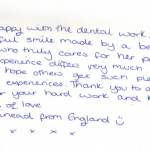
"A new beautiful smile made by a beautiful lady who truly cares for her patients..."
Sinead
Location:- England
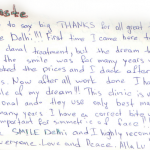

"I have the smile of my dream….This clinic is very professional and they use only best materials..."
Alla Lu
Location:- Russia


"Thank you so much for making my dream come true to have a perfect smile..."
Jacyln Gopinathan
Location:- Mindro Philippines


"I felt very comfortable through my treatment and i had 100% trust in you..."
Arnar Gislason
Location:- Iceland
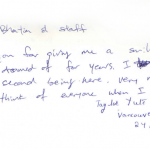

"Thank you for giving me a smile that i’ve dreamed of for years..."
Yuto Harrison
Location:- Canada
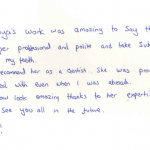

"Dr. Suprriya’s work was amazing…. She is super professional and polite..."
Todd
Location:- Australia

"Dr. Suprriya is such a lovely and warm hearted woman as well as a truly and high qualified professional..."
Victor Vique
Location:- Switzerland


"After travelling all through India and visiting 7 different clinics, this..."
JEFF MC CLEAN
Location:- New Zealand

"From the moment i got here i knew i had made the right decision."


"Thank you so much, Dr. Suprriya! I am so grateful for you and your practice."

"Very attentive and grateful for the results. I will keep in Touch"

"You saved my teeth. Lovely clinic and very professional staff..."


"My teeth are 7-8 shades whiter, thanks to you and your team..."

"Thank you very much dr. suprriya for wonderful treatment for implants and bridge and giving me my smile back."

"Felt in good hands during the whole treatment..."

"Visited many dentist around the world and smile delhi definitely gives you a great smile..."

"Over all experience was wonderful…"
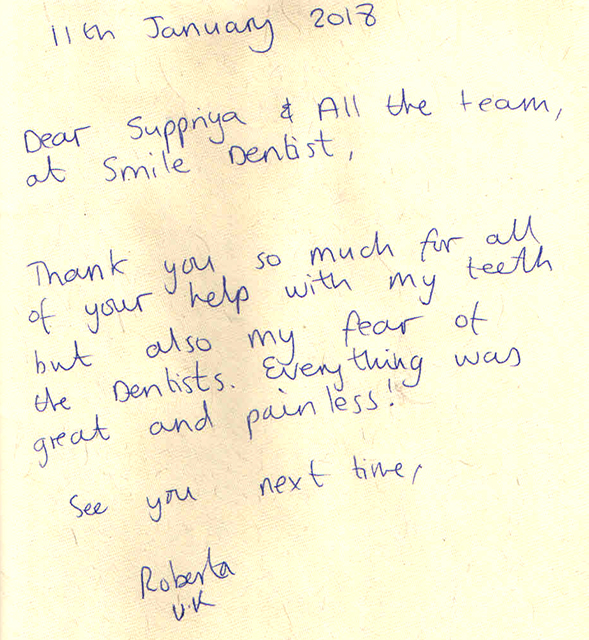
"Every thing was great and pain less !....."
Roberta
Location:- UK

"Dr. Suprriya is such a lovely and warm hearted woman as well as a..."
Victor
Location:- Switzerland
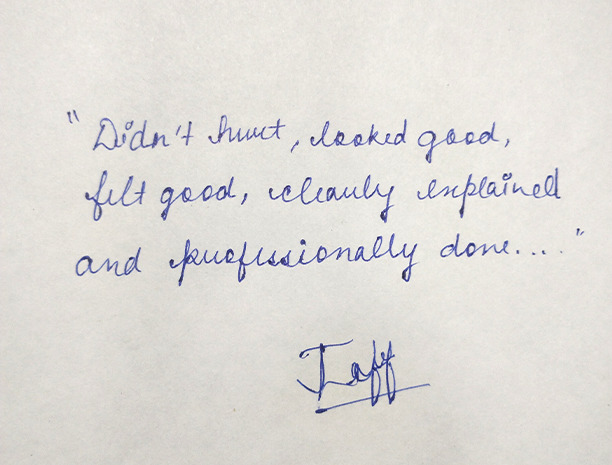

"Didn’t hurt, looked good, felt good, clearly explained and professionally done..."
Jeff
Location:- New zealand

"Dr. Supria is a unic dentice and an exellent person..”, “…honest and direct.."
Yaron Mayer
Location:- Israel Embassy

"Dr. Suprriya is very gentle and excellent human being. A perfect Dentist I...."
Uarely
Location:- Finland


"You treated me gentle as a child!..."
Andreas
Location:- Norway


"You are probably one of the best dentist I have ever been to in the last 50 years..."
Usama
Location:- Saudi Arabia
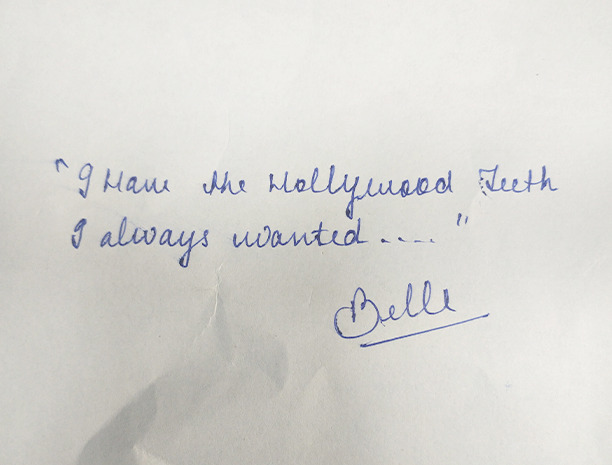

"I have the Hollywood teeth I always wanted…"
Belle
Location:- Canada
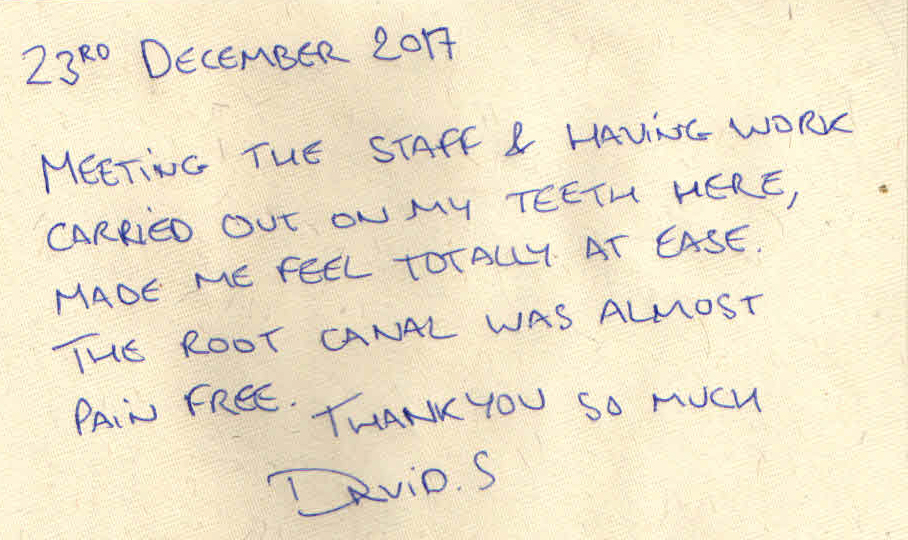
"The root canal was almost pain free....."
David Seeley
Location:- UK
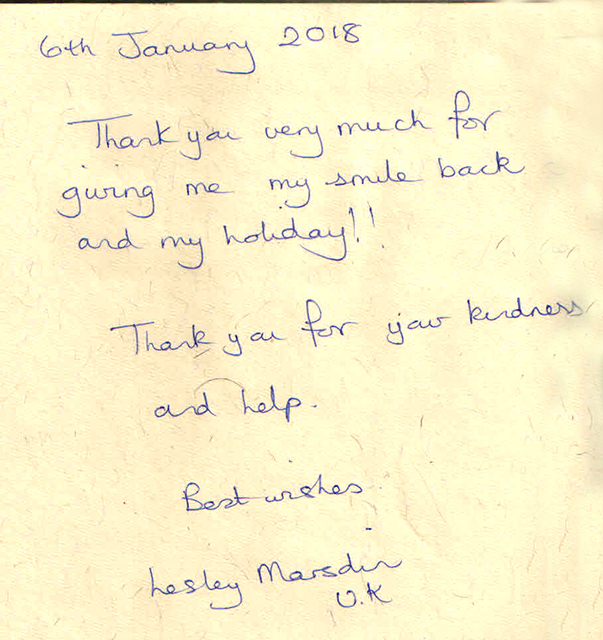
"Thank You very much for giving me my smile back and my holiday!....."
Lesley Marsdin
Location:- UK

"I even laughed when they screwed the posts in ! very professional even enjoyed it a bit"
Laurewce Moon
Location:- UK
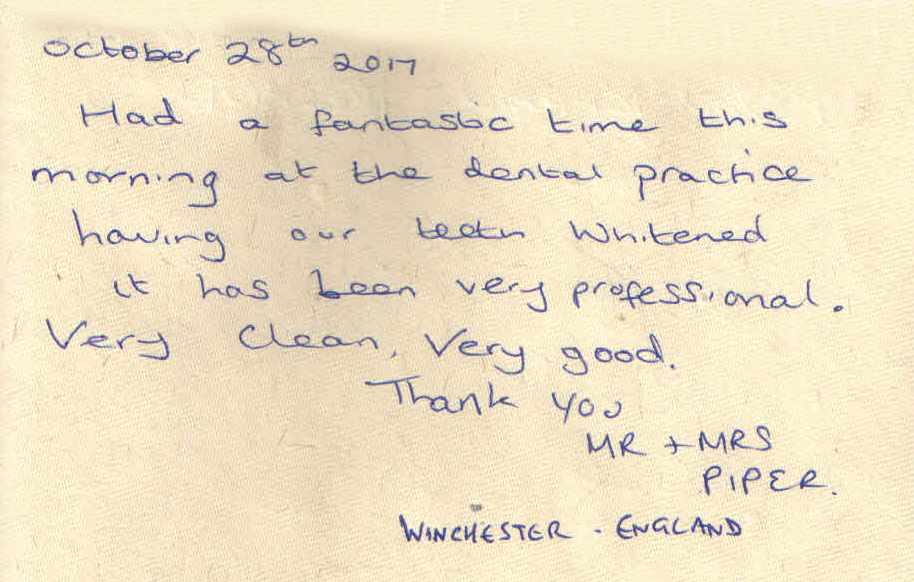
"It has been very professional. Very clean, very good......"
Mr. & Mrs. Piper
Location:-Winchester, England

"My emergency treatment was incredible kind and 1st class....."
Kevin Kahan
Location:- Ireland
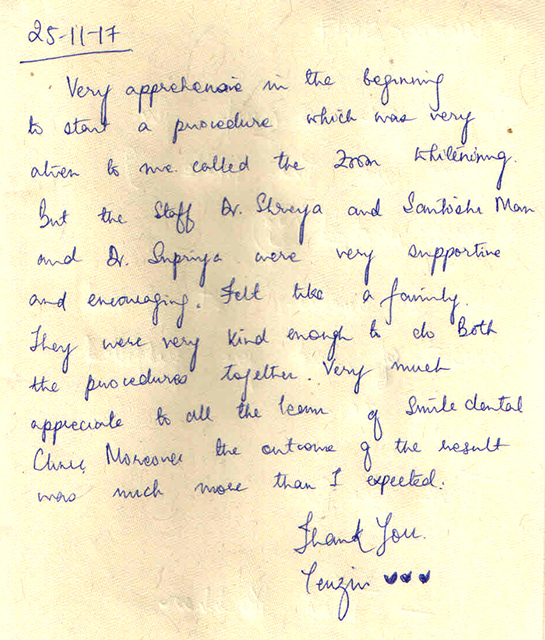

"The result was much more than I expected in zoom whitening....."
Tenzin
Location:- Bhutan
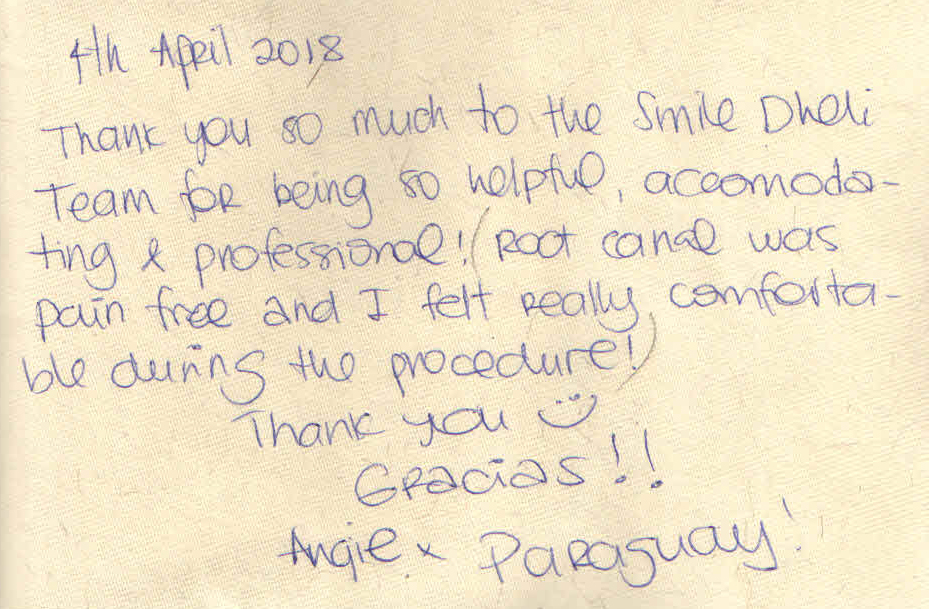

"Root canal was pain free and i felt really comfortable during the procedure....."
Angie
Location:- Paraguay
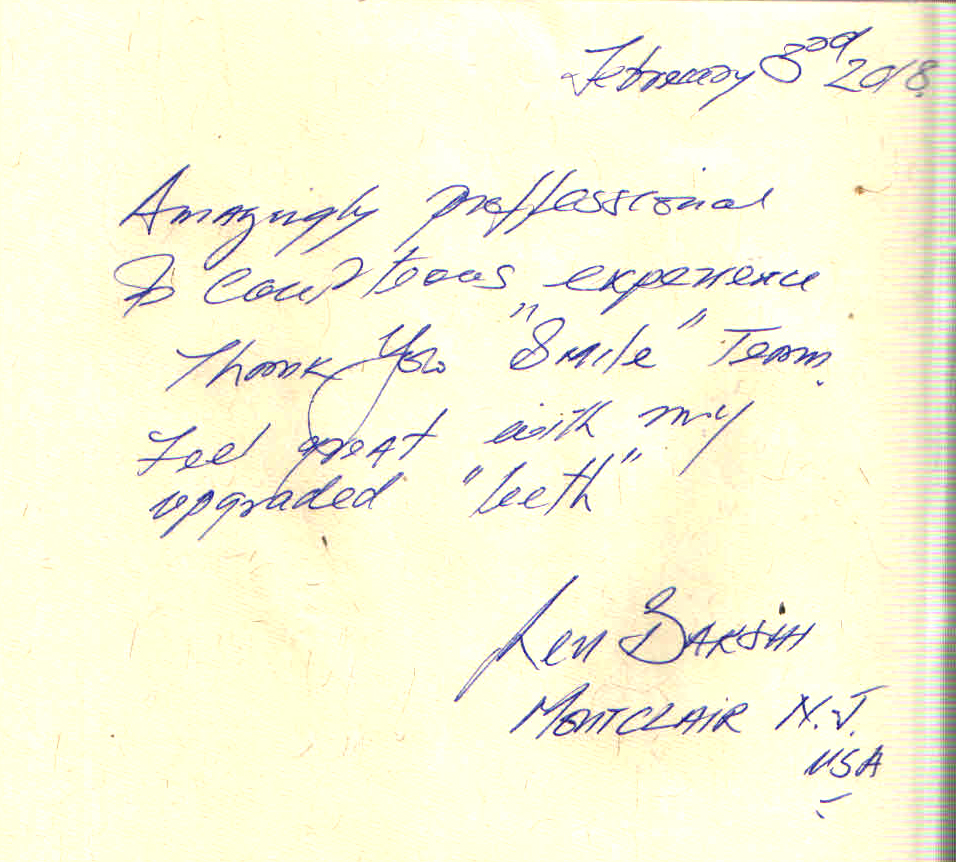
"Amazingly professional and courteous experience......"
Ken Bakshi
Location:- USA


"I had my teeth whitened amazing results!"
Paula Davey
Location:- Australia


"I would like to have sometimes so good dentist in Europe like Dr Suprriya..."
DANNY
Location:- Austria

"I would highly recommend Suprriya to anyone seeking good oral health care..."
ALLISON WEST
Location:- Australia


"Dr Suprriya, I just want to thank you for the very well done..."
MARIO
Location:- Columbia (Diplomat in India)