
What Daily Habits Help Protect Ceramic Veneers?
A healthy smile can boost your confidence in everyday life, and ceramic veneers are a popular way to improve the look of stained, chipped, or uneven teeth. Although veneers are made from durable ceramic, they still require proper daily care to keep them looking their best.
Simple habits such as brushing twice a day, flossing gently, limiting hard or sticky foods, and attending regular dental check-ups can help protect your veneers from damage.
If you have ceramic veneers in Delhi, following these everyday practices can extend their lifespan, maintain their natural appearance, and keep your smile healthy and attractive for years.
Why Daily Care Matters for Ceramic Veneers
Veneers Are Strong but Need Good Care
Ceramic veneers are thin shells that are bonded to the front surface of your teeth. They are carefully made to match the colour and shape of your natural teeth, giving your smile a bright and balanced appearance. Ceramic veneers in Delhi are known for its strength and stain resistance, making it one of the most popular materials used in cosmetic dentistry.
Although veneers are durable, they are not indestructible. Just like natural teeth, they can chip, crack, or become damaged if they are not looked after properly. Habits such as chewing ice, grinding your teeth, or skipping regular dental visits may reduce their lifespan.
Studies have shown that ceramic veneers can last 10 to 15 years or even longer when patients maintain good oral hygiene and attend regular dental check-ups.
Small Habits Make a Big Difference
Many people think only major treatments keep their smile healthy, but simple daily habits often have the biggest impact. Brushing correctly, flossing every day, drinking enough water, and avoiding unnecessary pressure on your teeth help protect both your veneers and the natural teeth underneath them.
These habits also reduce the risk of gum disease and tooth decay around the edges of the veneers. Healthy gums provide a stable foundation, helping your veneers stay secure and look natural for years.
Daily Habits That Help Protect Ceramic Veneers
Brush Gently Twice a Day
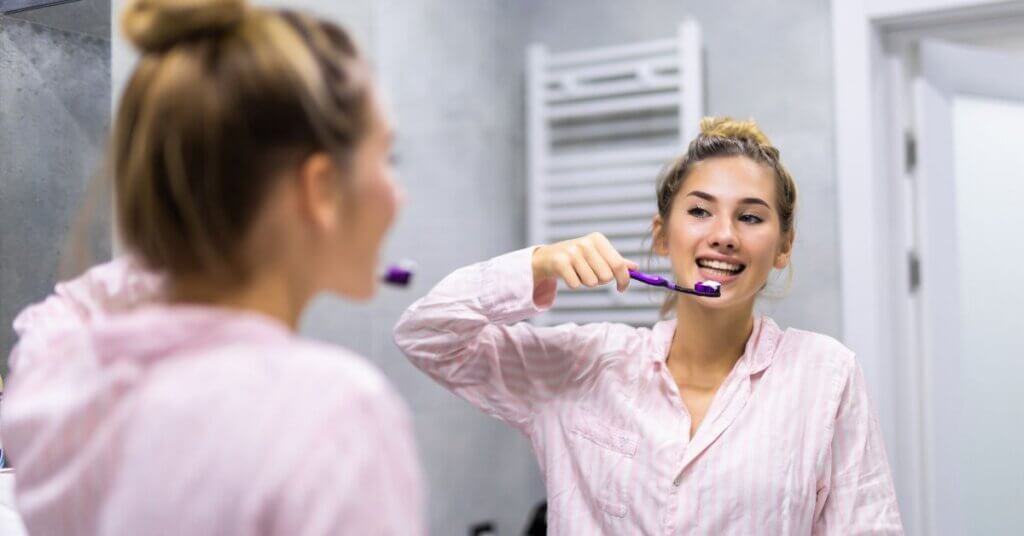
Brushing your teeth every morning and before bed is one of the most important habits for protecting ceramic veneers. Use a soft-bristled toothbrush together with a non-abrasive toothpaste. Abrasive toothpaste can slowly wear away the polished surface of your veneers, making them lose some of their shine over time.
Brush using gentle circular movements instead of scrubbing with force. Pay extra attention to the gumline because plaque often builds up where the veneer meets the natural tooth. Dentists generally recommend brushing for at least two minutes twice a day to keep your mouth clean and healthy.
Floss Every Day
Brushing alone cannot clean every part of your mouth. Food particles and plaque often become trapped between your teeth, where toothbrush bristles cannot reach. Daily flossing removes this buildup and helps prevent gum problems.
Healthy gums are essential for supporting veneers. If plaque remains between the teeth for too long, it can lead to inflammation or gum disease, affecting the appearance and stability of your veneers. If regular floss is difficult to use, your dentist may recommend floss picks or a water flosser to make cleaning easier.
Choose Foods Wisely
Most everyday foods are perfectly safe for ceramic veneers. Fresh fruits, vegetables, whole grains, dairy products, and lean proteins all support good oral health. Crunchy vegetables like carrots and celery also help clean the teeth naturally while chewing.
However, some foods should be eaten with care. Hard candies, ice cubes, popcorn kernels, and very hard nuts can place too much pressure on veneers. Instead of biting directly into hard foods, cut them into smaller pieces whenever possible. This simple habit greatly reduces the risk of accidental damage.
Sugary snacks and drinks should also be limited because they increase the risk of decay around the natural teeth supporting the veneers.
Drink Water Often
Water is one of the simplest ways to protect your smile. It helps wash away food particles and bacteria while reducing the acids that remain in your mouth after eating. Water also supports healthy saliva production, which naturally protects your teeth and gums.
If you enjoy coffee, tea, or soft drinks, drinking water afterwards helps rinse away acids and pigments that may affect your natural teeth. Staying hydrated also helps prevent dry mouth, which can increase the risk of plaque buildup.
Avoid Using Teeth as Tools
Your teeth are made for chewing food, not opening packages or holding objects. Some people use their teeth to tear plastic wrappers, bite fingernails, remove bottle caps, or hold small items while working.
These habits place unnecessary pressure on veneers and increase the chance of chipping or loosening them.
Keeping scissors or proper tools nearby is a much safer option and helps protect both your veneers and your natural teeth.
Wear a Night Guard if Needed
Many people grind or clench their teeth while sleeping without even knowing it. This condition, called bruxism, places repeated pressure on ceramic veneers night after night.
Over time, grinding may create small cracks or wear down the surface of your veneers. A custom-made night guard acts like a cushion between your upper and lower teeth, reducing the force created during sleep.
Your dentist in Delhi can check for signs of grinding during a routine examination and recommend whether a night guard would be helpful.
Visit Your Dentist Regularly
Even when your veneers look perfect, regular dental check-ups remain an important part of their care.
Professional cleanings remove hardened plaque and tartar that cannot be removed with brushing alone. During each visit, your dentist also checks the condition of the veneers, the bonding material, and the health of your gums.
Most people benefit from visiting their dentist every six months, although some patients may need more frequent appointments depending on their oral health. Regular check-ups also allow small problems to be found early before they become more serious.
Common Habits That Can Damage Ceramic Veneers
Teeth Grinding
Grinding your teeth places constant pressure on veneers and natural teeth. Although ceramic is strong, repeated force may eventually cause small chips or cracks. Many people only discover they grind their teeth after a dentist notices signs of wear during an examination or they begin experiencing jaw pain and headaches.
Biting Hard Objects
Chewing on pens, pencils, ice cubes, fingernails, or hard sweets can damage ceramic veneers over time. Even though veneers are built to handle normal chewing, sudden force from hard objects can lead to cracks or fractures that require repair or replacement.
Poor Oral Hygiene
Veneers themselves cannot develop cavities, but the natural teeth underneath them still can. Poor brushing and flossing allow plaque to collect around the edges of the veneers, increasing the risk of tooth decay and gum disease.
Healthy gums are essential because they support the veneers and help maintain an attractive smile. Good oral hygiene keeps both your veneers and natural teeth in excellent condition.
Skipping Dental Visits
Many people avoid dental appointments if they are not experiencing pain. Unfortunately, small problems often develop silently. Loose bonding, gum inflammation, or early signs of damage can usually be treated more easily when found during a routine examination.
Delaying dental visits may allow minor issues to become larger problems that require more extensive treatment later.
Signs Your Veneers May Need Attention
Changes You Should Not Ignore
Ceramic veneers normally feel smooth, comfortable, and natural. If something changes, it is important to arrange a dental appointment instead of waiting for the problem to become worse.
You should contact your dentist if you notice a chipped veneer, a crack, unusual sensitivity, pain around the treated tooth, swollen gums, a rough edge, or a veneer that feels loose while eating. Changes in the way your bite fits together should also be checked promptly.
Many people with ceramic veneers in Delhi enjoy excellent long-term results because they recognise these warning signs early and seek professional advice before the damage becomes more serious.
Regular care and prompt attention help protect your investment and keep your smile looking its best. Patients across Delhi who follow healthy daily habits often experience longer-lasting veneers and healthier gums.
Conclusion
Protecting ceramic veneers is much easier than many people imagine. Brushing gently twice a day, flossing daily, drinking plenty of water, choosing foods carefully, avoiding harmful habits, and attending regular dental check-ups all help keep your veneers looking bright and natural for many years.
These simple routines also protect your gums and the natural teeth that support your veneers, making them an important part of long-term oral health.
If you would like professional guidance on caring for your veneers or are considering treatment, the experienced team at Smile Delhi – The Dental Clinic can help you understand the best options for your smile.
With consistent home care and regular dental visits in Delhi, you can enjoy healthy, confident results that last for many years.
Sources:
- https://pmc.ncbi.nlm.nih.gov/articles/PMC4053676/
- https://pmc.ncbi.nlm.nih.gov/articles/PMC3652364/
- https://my.clevelandclinic.org/health/treatments/23522-dental-veneers
- https://pubmed.ncbi.nlm.nih.gov/39639467/

Dr. Suprriya B. Bhatia is a highly experienced dental professional with over 25 years of clinical expertise. A leading dentist in South Delhi, she is the founder of Smile Delhi – The Dental Clinic and specialises in cosmetic dentistry, dental implants, and smile makeovers. Dr. Suprriya B. Bhatia is known for her compassionate, patient-centred approach and commitment to creating healthy, confident smiles for patients from India and abroad.


"Extremely good service and care..."
Tim Gound
Location:- U. K.


"The standard of the clinic is like a first country’s clinic..."
PEDRO MORAES
Location:- Brazil


"Me and my family were very reluctant to undergo my dental treatment in India, but..."
RICHARD SALDANHA
Location:- Peru, South America


"The hygiene is good, the care up to European standards if not better. Strong on explaining..."
THOMAS BAINS
Location:- European Commission
"A new beautiful smile made by a beautiful lady who truly cares for her patients..."
Sinead
Location:- England

"I have the smile of my dream….This clinic is very professional and they use only best materials..."
Alla Lu
Location:- Russia


"Thank you so much for making my dream come true to have a perfect smile..."
Jacyln Gopinathan
Location:- Mindro Philippines


"I felt very comfortable through my treatment and i had 100% trust in you..."
Arnar Gislason
Location:- Iceland

"Thank you for giving me a smile that i’ve dreamed of for years..."
Yuto Harrison
Location:- Canada

"Dr. Suprriya’s work was amazing…. She is super professional and polite..."
Todd
Location:- Australia


"Dr. Suprriya is such a lovely and warm hearted woman as well as a truly and high qualified professional..."
Victor Vique
Location:- Switzerland


"After travelling all through India and visiting 7 different clinics, this..."
JEFF MC CLEAN
Location:- New Zealand

"From the moment i got here i knew i had made the right decision."


"Thank you so much, Dr. Suprriya! I am so grateful for you and your practice."

"Very attentive and grateful for the results. I will keep in Touch"

"You saved my teeth. Lovely clinic and very professional staff..."


"My teeth are 7-8 shades whiter, thanks to you and your team..."

"Thank you very much dr. suprriya for wonderful treatment for implants and bridge and giving me my smile back."

"Felt in good hands during the whole treatment..."

"Visited many dentist around the world and smile delhi definitely gives you a great smile..."
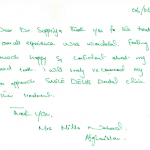

"Over all experience was wonderful…"
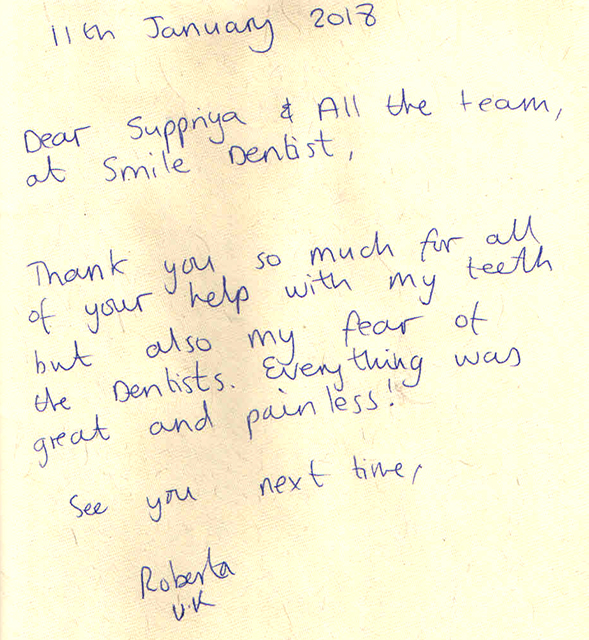
"Every thing was great and pain less !....."
Roberta
Location:- UK

"Dr. Suprriya is such a lovely and warm hearted woman as well as a..."
Victor
Location:- Switzerland
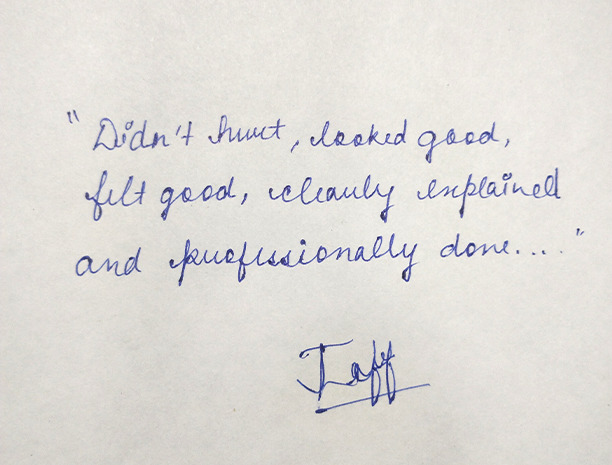

"Didn’t hurt, looked good, felt good, clearly explained and professionally done..."
Jeff
Location:- New zealand

"Dr. Supria is a unic dentice and an exellent person..”, “…honest and direct.."
Yaron Mayer
Location:- Israel Embassy

"Dr. Suprriya is very gentle and excellent human being. A perfect Dentist I...."
Uarely
Location:- Finland


"You treated me gentle as a child!..."
Andreas
Location:- Norway


"You are probably one of the best dentist I have ever been to in the last 50 years..."
Usama
Location:- Saudi Arabia
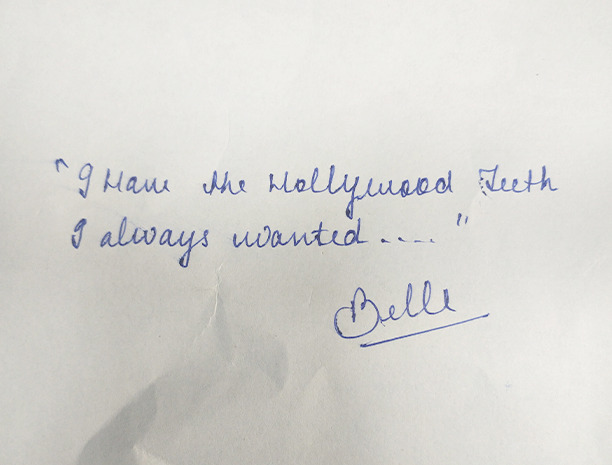

"I have the Hollywood teeth I always wanted…"
Belle
Location:- Canada
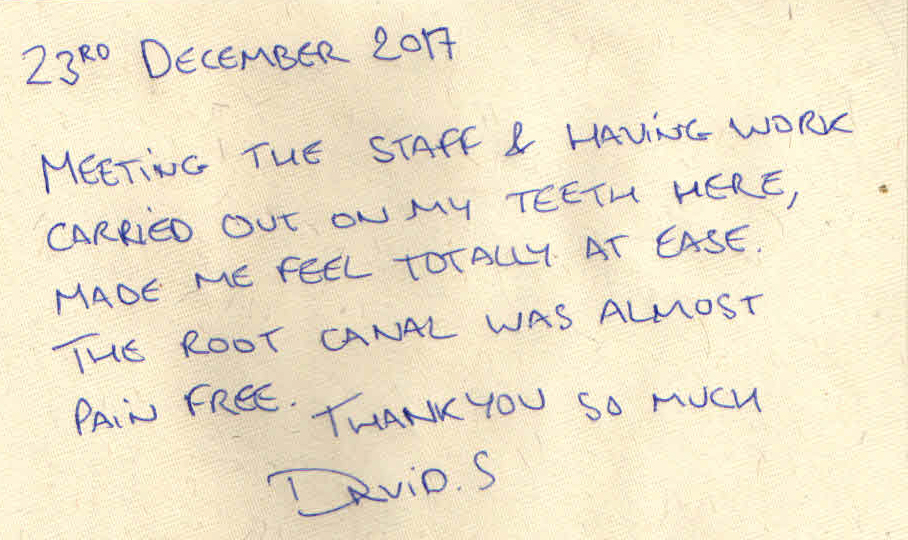
"The root canal was almost pain free....."
David Seeley
Location:- UK
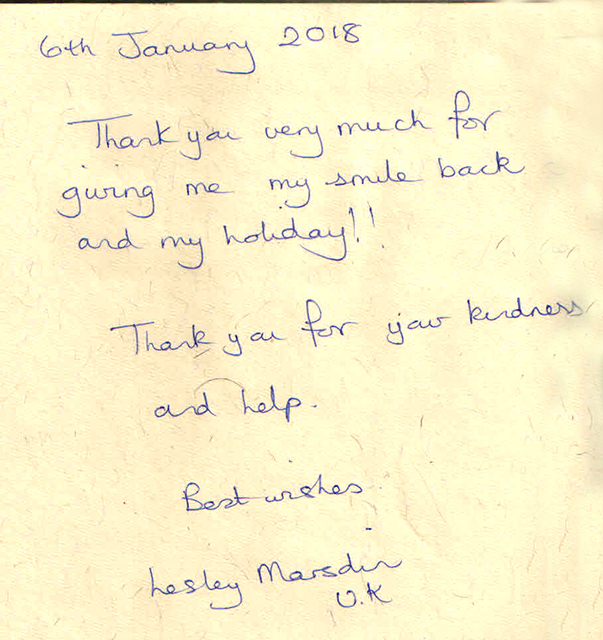
"Thank You very much for giving me my smile back and my holiday!....."
Lesley Marsdin
Location:- UK
"I even laughed when they screwed the posts in ! very professional even enjoyed it a bit"
Laurewce Moon
Location:- UK
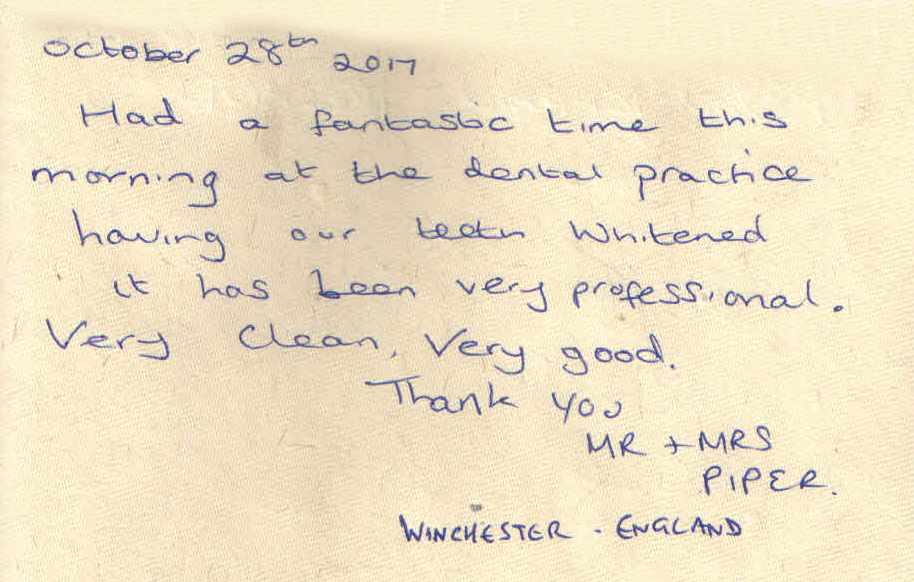
"It has been very professional. Very clean, very good......"
Mr. & Mrs. Piper
Location:-Winchester, England

"My emergency treatment was incredible kind and 1st class....."
Kevin Kahan
Location:- Ireland
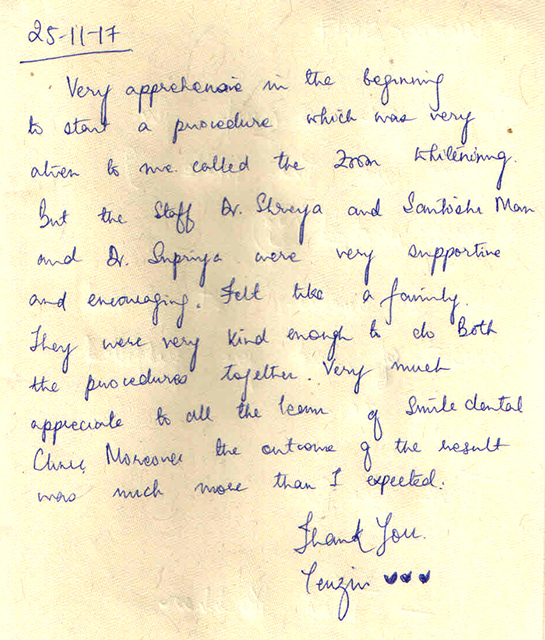

"The result was much more than I expected in zoom whitening....."
Tenzin
Location:- Bhutan
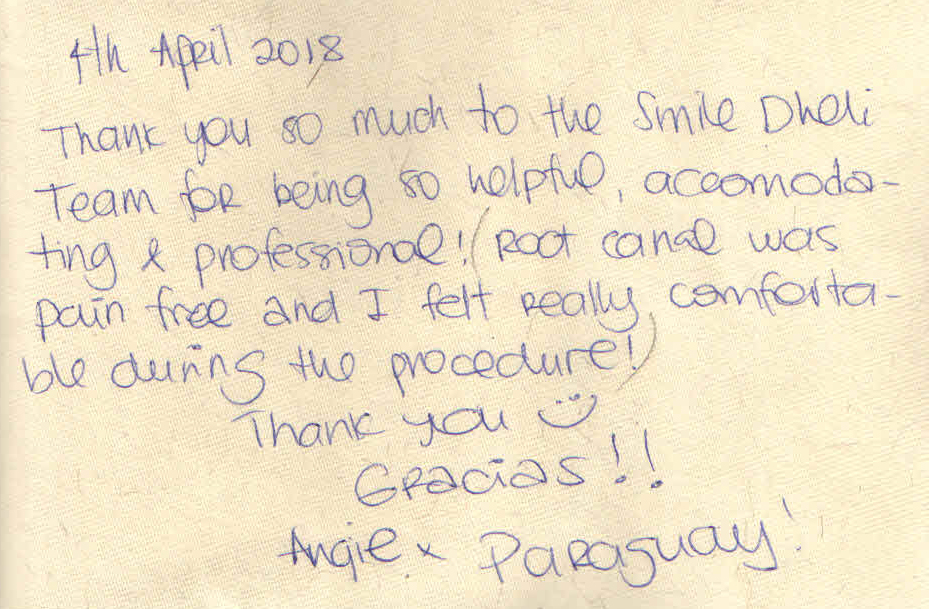

"Root canal was pain free and i felt really comfortable during the procedure....."
Angie
Location:- Paraguay
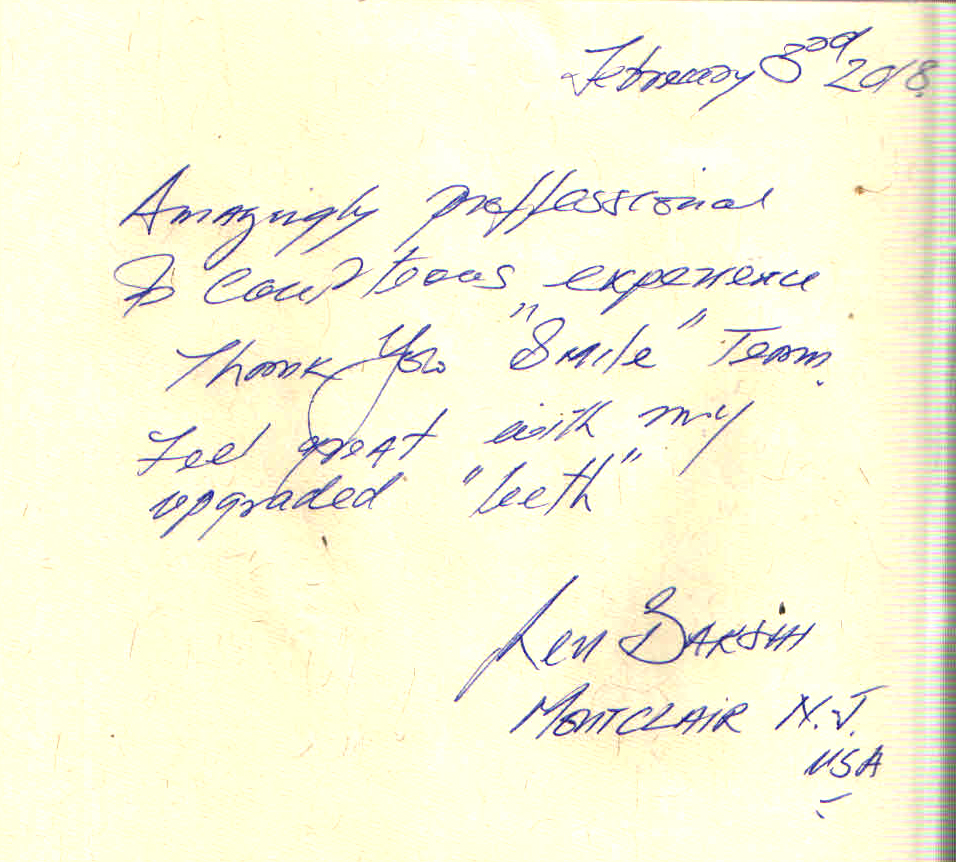
"Amazingly professional and courteous experience......"
Ken Bakshi
Location:- USA


"I had my teeth whitened amazing results!"
Paula Davey
Location:- Australia


"I would like to have sometimes so good dentist in Europe like Dr Suprriya..."
DANNY
Location:- Austria

"I would highly recommend Suprriya to anyone seeking good oral health care..."
ALLISON WEST
Location:- Australia


"Dr Suprriya, I just want to thank you for the very well done..."
MARIO
Location:- Columbia (Diplomat in India)