


Are Ceramic Crowns Suitable for People With Tooth Sensitivity?
Tooth sensitivity is a common concern for patients considering dental crowns. Whether ceramic crowns are suitable depends on the cause of sensitivity, the condition of the affected tooth, and the planned treatment. Understanding these factors can help patients make informed decisions about their dental care.
Ceramic crowns, also called all-ceramic or all-porcelain crowns, are tooth-coloured restorations made without a metal substructure. They are generally well-tolerated by surrounding gum tissues and can cover and protect damaged tooth structure, potentially reducing sensitivity caused by certain triggers. However, some patients may experience temporary sensitivity after crown preparation or placement. The duration and severity can vary depending on individual circumstances.
At Smile Delhi – The Dental Clinic, our team assesses existing sensitivity, examines the affected tooth, and explains suitable treatment options. Schedule a consultation at our Delhi clinic to discuss whether a ceramic crown may be appropriate for your dental needs.
At a Glance: Ceramic Crowns and Tooth Sensitivity
- Ceramic crowns are biocompatible and do not contain metals that may trigger sensitivity or gum reactions
- All-ceramic materials are generally considered non-abrasive and well-tolerated by surrounding gum tissue
- Some patients experience temporary sensitivity after crown placement due to the preparation process, not the ceramic material itself
- A well-fitted ceramic crown may help protect a sensitive tooth by covering exposed dentin or damaged enamel
- Pre-existing sensitivity should be discussed with your dentist before crown placement so it can be appropriately assessed
- Treatment outcomes and individual responses to dental procedures vary from patient to patient
What Are Ceramic Crowns and How Do They Differ From Other Crown Types?
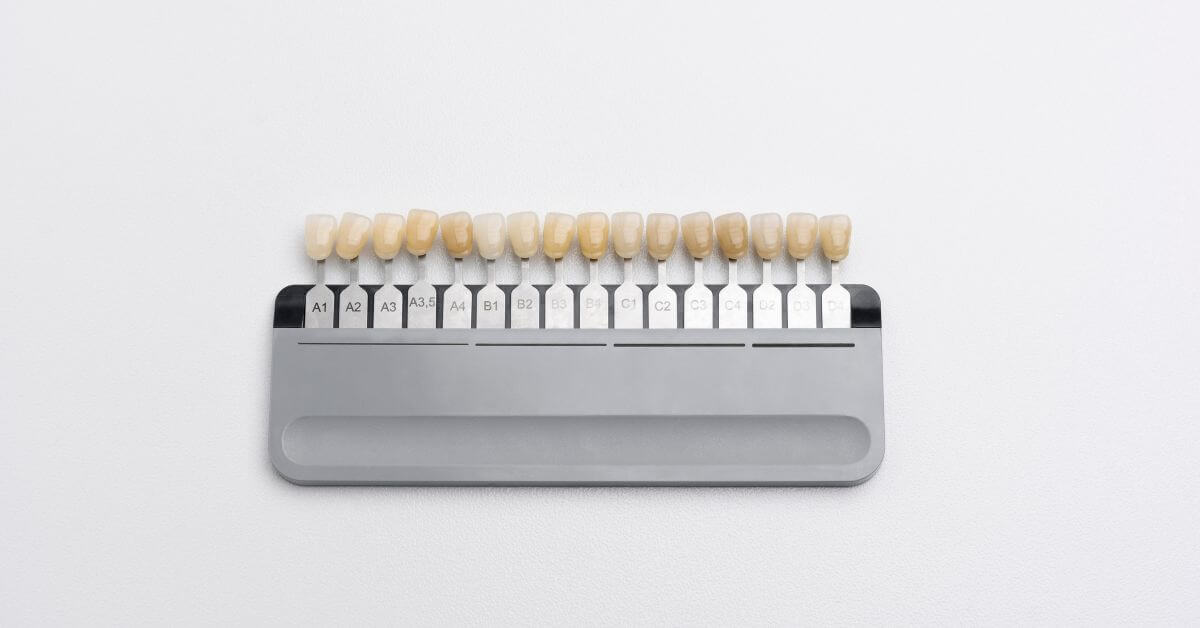
A ceramic crown is a dental restoration made entirely from ceramic material, such as porcelain, lithium disilicate, or zirconia, without any metal component. Ceramic crowns in South Delhi are different from porcelain-fused-to-metal (PFM) crowns, which have a metal inner structure covered by a porcelain outer layer, as all-ceramic crowns are metal-free throughout.
This distinction matters for patients with sensitivity because the absence of metal eliminates the possibility of metal-related gum irritation or galvanic sensitivity that some patients report with PFM restorations over time.
Ceramic crowns are placed over a damaged, cracked, or heavily restored tooth to cover it completely from the gum line upward, restoring its shape, size, and function. They are custom-made to match the dimensions and colour of the surrounding teeth, and they are secured to the prepared tooth with dental cement at the placement appointment.
Are Ceramic Crowns Suitable for People With Pre-Existing Tooth Sensitivity?
Ceramic crowns may be a suitable option for people with pre-existing tooth sensitivity in many cases, particularly when the sensitivity is related to exposed dentin, enamel damage, or a tooth that has been significantly weakened by decay or fracture. A crown that covers the entire visible surface of the affected tooth may reduce or eliminate the tooth’s direct exposure to temperature, pressure, and other sensitivity triggers, depending on the underlying cause of the sensitivity.
Cleveland Clinic notes that dental crowns are used to protect weak or cracked teeth and to cover teeth that have been significantly affected by decay, all situations where the underlying tooth may be sensitive. A dental clinic in South Delhi may recommend covering such a tooth with a ceramic crown to provide a protective outer barrier.
However, whether a ceramic crown is appropriate for a specific patient with sensitivity depends on the cause and nature of that sensitivity, which a dentist assesses individually. If the sensitivity is related to gum recession that has exposed the root surface, for example, a crown alone may not fully address the sensitivity, since the crown covers the tooth from the gum line upward, not the exposed root. This is something your dentist evaluates during an examination before recommending treatment.
Why Might Some Sensitivity Occur After Crown Placement?
Some degree of temporary sensitivity after a crown procedure is clinically recognised, whether the crown is ceramic or another material. Understanding why this occurs helps patients distinguish between normal post-procedure sensitivity and sensitivity that warrants further evaluation.
Enamel Removal During Tooth Preparation
To place a crown, the dentist removes a measured amount of enamel from the outer surface of the tooth to create space for the crown. Healthline notes that sensitivity following crown placement is caused primarily by the reduction of enamel on the tooth, as this can temporarily expose the dentinal tubules, the microscopic channels in the tooth that connect to the nerve. This type of sensitivity typically settles as the tooth adjusts to the new restoration, usually within a few weeks.
Pulp Irritation
During the preparation process, the vibration and heat generated by the dental handpiece can cause transient irritation of the pulp, the living tissue inside the tooth. This is more likely when preparation is being carried out near a pulp that was already close to the surface due to a large previous filling or deep decay.
Mild cold sensitivity following preparation is a recognised response in some cases. If the pulp is able to recover, symptoms typically resolve without further treatment. If symptoms worsen or persist, your dentist may evaluate whether additional treatment is needed.
Crown Fit and Bite Adjustment
A crown that sits slightly too high in the bite can cause pressure sensitivity when biting or chewing. This is one of the more common and easily addressed causes of post-crown discomfort, as the crown can be adjusted at a follow-up appointment to ensure the bite is even and comfortable.
Gum Tissue Response
The gum tissue immediately around the crown margin may be mildly tender or inflamed in the first few days following crown placement. This typically settles as the tissue adapts to the new restoration.
What Makes Ceramic Crowns a Considered Choice for Sensitive Patients?
Ceramic crowns have several material properties that are relevant for patients with sensitivity concerns.
Biocompatibility
All-ceramic materials are biocompatible, they are well-tolerated by the body’s tissues and are unlikely to cause allergic reactions or gum irritation. This is in contrast to some metal-containing restorations, where metal ions may occasionally affect the surrounding gum tissue in susceptible patients. For patients who have experienced gum sensitivity or irritation with metal-based restorations in the past, an all-ceramic option may be worth discussing with their dentist.
Thermal Insulation Properties
Ceramic materials are generally considered good thermal insulators compared to metal. This means that, once the initial post-procedure adjustment period has passed and the tooth has settled, a well-fitted ceramic crown may be less likely to transmit temperature fluctuations to the underlying tooth than a metal crown would. This can be relevant for patients whose pre-existing sensitivity is temperature-related.
No Metal Margins
PFM crowns can develop a visible dark line at the gum margin over time, particularly if gum recession occurs. This metal margin can also be a source of gum sensitivity in some patients. All ceramic crowns do not have this issue, since there is no metal substructure.
What Should Patients With Sensitivity Discuss With Their Dentist Before Getting a Crown?
Patients with pre-existing tooth sensitivity should discuss the following with their dentist before crown placement:
- The cause of the existing sensitivity, so the dentist can assess whether it is related to the tooth being crowned or to surrounding teeth and tissues
- Whether any underlying issues, such as decay, gum recession, or pulp involvement, need to be addressed before the crown is placed
- What to expect in terms of post-procedure sensitivity and how long it typically takes to resolve
- Which crown material may be most appropriate given the individual’s sensitivity history, bite, and the location of the tooth being crowned
A thorough dental examination and discussion before treatment begins allows both the patient and the dentist to make a well-informed decision about the most appropriate approach.
Frequently Asked Questions
Are ceramic crowns a good option for people with sensitive teeth?
Ceramic crowns may suit patients with sensitive teeth, depending on the cause. A dental examination can help determine whether a crown is appropriate.
Will getting a ceramic crown make my tooth more sensitive?
Temporary sensitivity may occur after crown preparation or placement. If it persists, worsens, or becomes severe, consult your dentist.
Do ceramic crowns conduct heat and cold the same way metal crowns do?
No. Ceramic generally insulates against temperature changes better than metal, though individual sensitivity can vary.
Can a ceramic crown help if I already have sensitivity in a tooth?
Yes, a ceramic crown may reduce sensitivity by covering exposed or damaged tooth structure. The result depends on the underlying cause.
How long does sensitivity last after a ceramic crown is placed?
Sensitivity usually improves within a few weeks. If it persists beyond two weeks or worsens, contact your dentist for an assessment.
Conclusion
If you experience tooth sensitivity and have been recommended a ceramic crown, a dental consultation can help you understand your options. The suitability of a crown depends on the cause of your sensitivity, the condition of the affected tooth, and your overall oral health. An in-person examination is necessary to assess these factors and determine an appropriate treatment approach.
At Smile Delhi – The Dental Clinic, we assess your dental concerns and explain our findings and recommendations before treatment begins. Our team discusses the available restorative options, helping you understand their suitability for your individual needs. Contact our Delhi clinic to schedule a consultation and discuss whether a ceramic crown may be appropriate for you.
Sources:
- Cleveland Clinic, Dental Crowns: Types, Procedure & Care https://my.clevelandclinic.org/health/treatments/10923-dental-crowns
- Healthline, What Causes Dental Crown Tooth Pain and How to Relieve It https://www.healthline.com/health/what-causes-dental-crown-tooth-pain-and-how-to-relieve-it
- WebMD, Dental Crowns: What Do They Do? https://www.webmd.com/oral-health/dental-crowns
- ADA MouthHealthy, Crowns
https://www.mouthhealthy.org/en/all-topics-a-z/crowns

Dr. Suprriya B. Bhatia is a highly experienced dental professional with over 25 years of clinical expertise. A leading dentist in South Delhi, she is the founder of Smile Delhi – The Dental Clinic and specialises in cosmetic dentistry, dental implants, and smile makeovers. Dr. Suprriya B. Bhatia is known for her compassionate, patient-centred approach and commitment to creating healthy, confident smiles for patients from India and abroad.


"Extremely good service and care..."
Tim Gound
Location:- U. K.


"The standard of the clinic is like a first country’s clinic..."
PEDRO MORAES
Location:- Brazil


"Me and my family were very reluctant to undergo my dental treatment in India, but..."
RICHARD SALDANHA
Location:- Peru, South America


"The hygiene is good, the care up to European standards if not better. Strong on explaining..."
THOMAS BAINS
Location:- European Commission
"A new beautiful smile made by a beautiful lady who truly cares for her patients..."
Sinead
Location:- England

"I have the smile of my dream….This clinic is very professional and they use only best materials..."
Alla Lu
Location:- Russia


"Thank you so much for making my dream come true to have a perfect smile..."
Jacyln Gopinathan
Location:- Mindro Philippines


"I felt very comfortable through my treatment and i had 100% trust in you..."
Arnar Gislason
Location:- Iceland

"Thank you for giving me a smile that i’ve dreamed of for years..."
Yuto Harrison
Location:- Canada
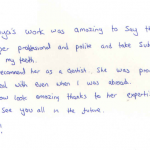

"Dr. Suprriya’s work was amazing…. She is super professional and polite..."
Todd
Location:- Australia
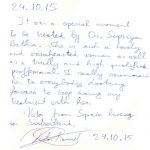

"Dr. Suprriya is such a lovely and warm hearted woman as well as a truly and high qualified professional..."
Victor Vique
Location:- Switzerland


"After travelling all through India and visiting 7 different clinics, this..."
JEFF MC CLEAN
Location:- New Zealand

"From the moment i got here i knew i had made the right decision."


"Thank you so much, Dr. Suprriya! I am so grateful for you and your practice."

"Very attentive and grateful for the results. I will keep in Touch"

"You saved my teeth. Lovely clinic and very professional staff..."


"My teeth are 7-8 shades whiter, thanks to you and your team..."

"Thank you very much dr. suprriya for wonderful treatment for implants and bridge and giving me my smile back."
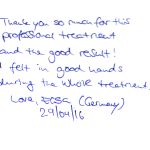

"Felt in good hands during the whole treatment..."

"Visited many dentist around the world and smile delhi definitely gives you a great smile..."
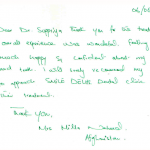

"Over all experience was wonderful…"
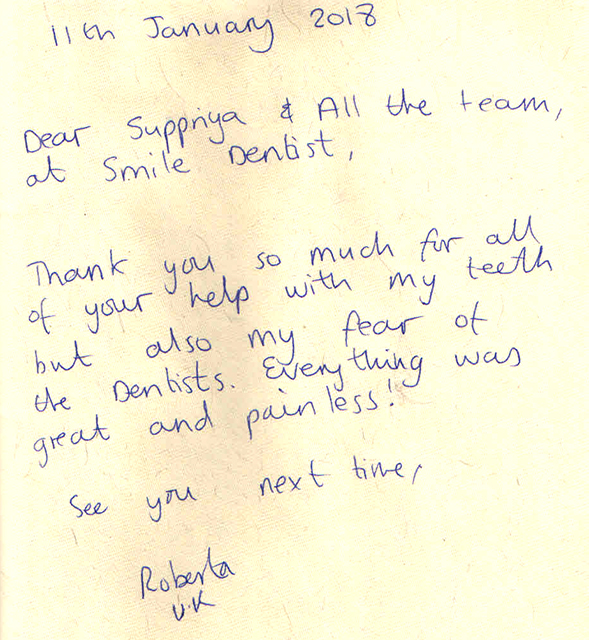
"Every thing was great and pain less !....."
Roberta
Location:- UK

"Dr. Suprriya is such a lovely and warm hearted woman as well as a..."
Victor
Location:- Switzerland
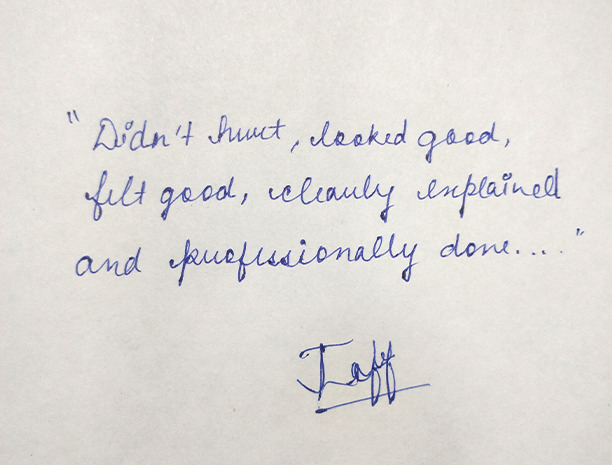

"Didn’t hurt, looked good, felt good, clearly explained and professionally done..."
Jeff
Location:- New zealand

"Dr. Supria is a unic dentice and an exellent person..”, “…honest and direct.."
Yaron Mayer
Location:- Israel Embassy

"Dr. Suprriya is very gentle and excellent human being. A perfect Dentist I...."
Uarely
Location:- Finland


"You treated me gentle as a child!..."
Andreas
Location:- Norway


"You are probably one of the best dentist I have ever been to in the last 50 years..."
Usama
Location:- Saudi Arabia
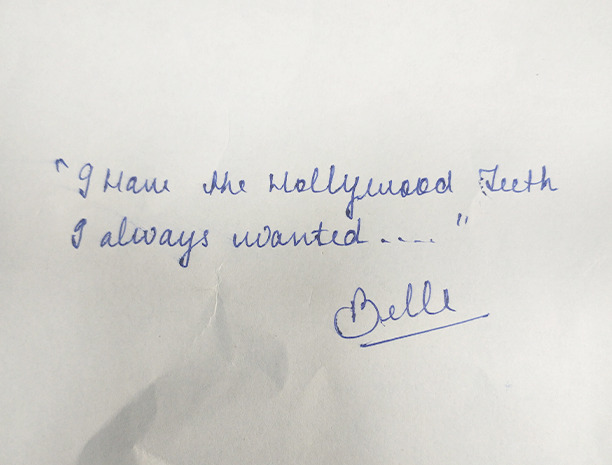

"I have the Hollywood teeth I always wanted…"
Belle
Location:- Canada
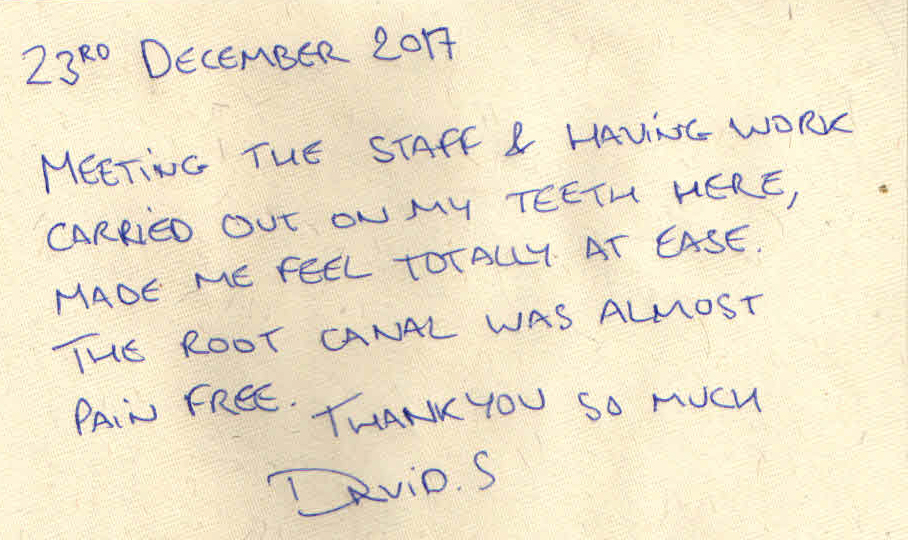
"The root canal was almost pain free....."
David Seeley
Location:- UK
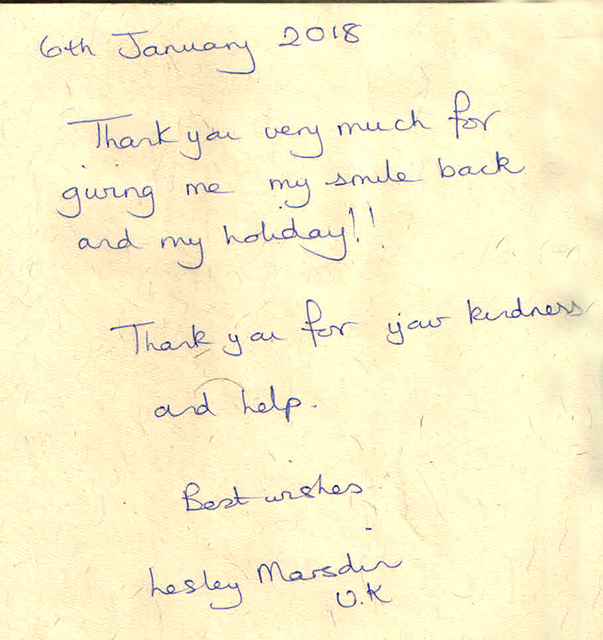
"Thank You very much for giving me my smile back and my holiday!....."
Lesley Marsdin
Location:- UK
"I even laughed when they screwed the posts in ! very professional even enjoyed it a bit"
Laurewce Moon
Location:- UK
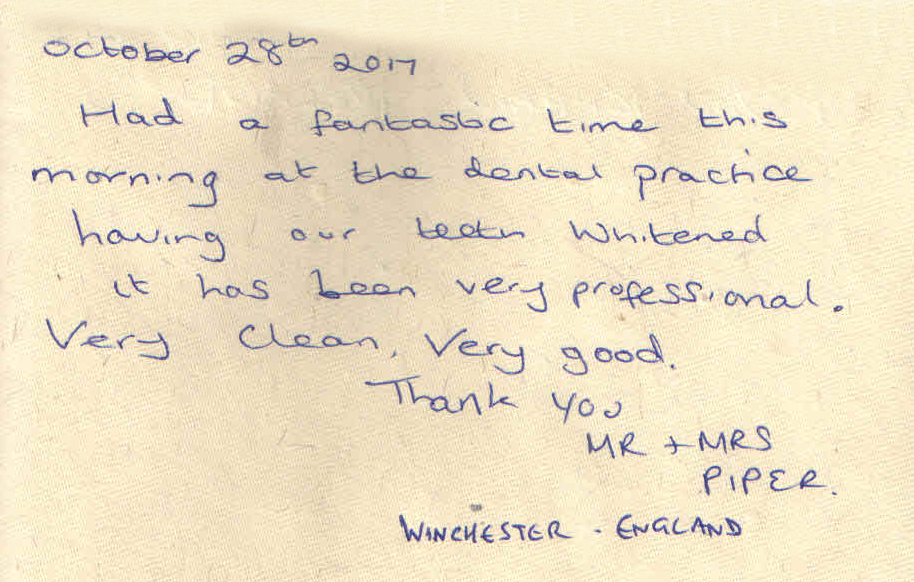
"It has been very professional. Very clean, very good......"
Mr. & Mrs. Piper
Location:-Winchester, England

"My emergency treatment was incredible kind and 1st class....."
Kevin Kahan
Location:- Ireland
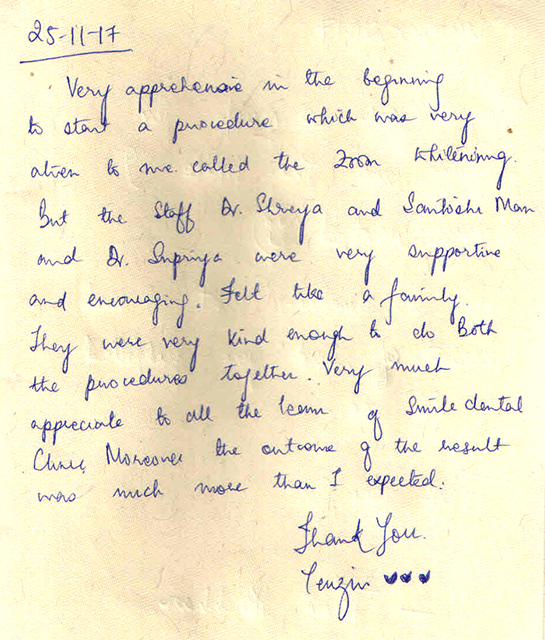

"The result was much more than I expected in zoom whitening....."
Tenzin
Location:- Bhutan
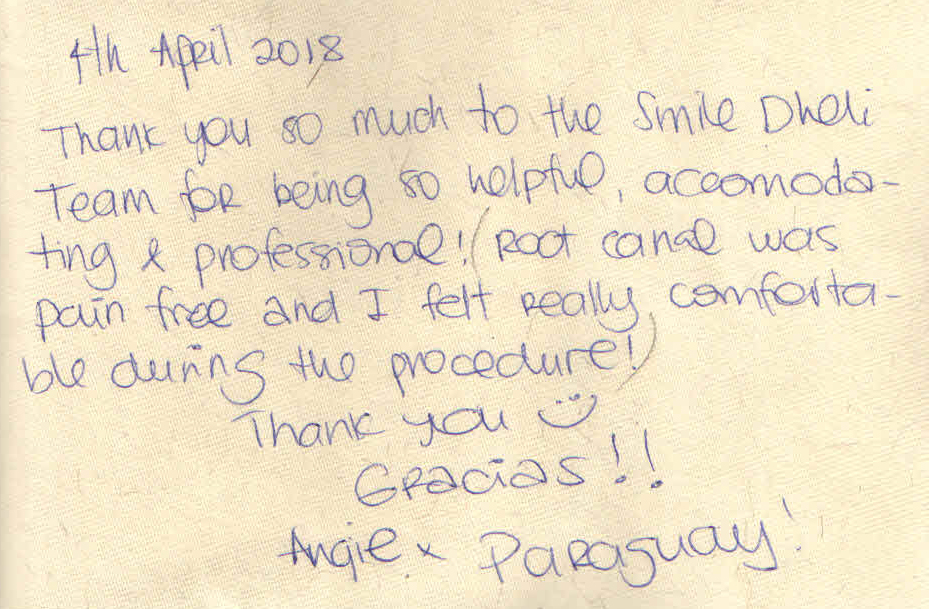

"Root canal was pain free and i felt really comfortable during the procedure....."
Angie
Location:- Paraguay
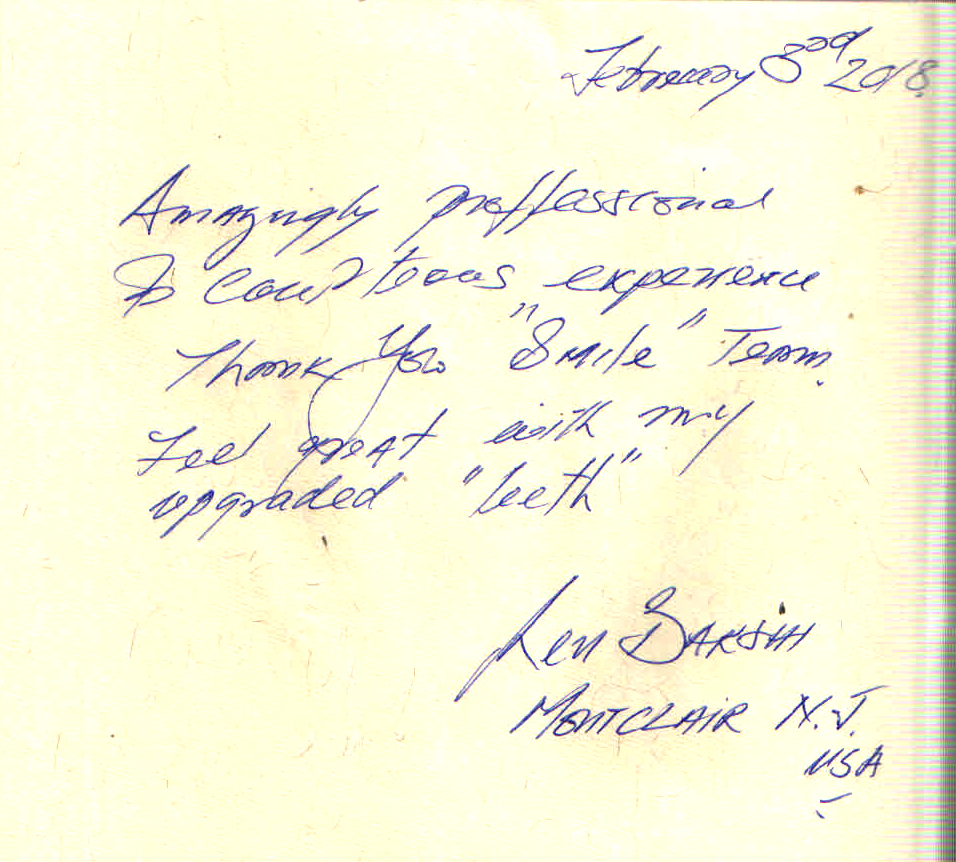
"Amazingly professional and courteous experience......"
Ken Bakshi
Location:- USA


"I had my teeth whitened amazing results!"
Paula Davey
Location:- Australia


"I would like to have sometimes so good dentist in Europe like Dr Suprriya..."
DANNY
Location:- Austria

"I would highly recommend Suprriya to anyone seeking good oral health care..."
ALLISON WEST
Location:- Australia


"Dr Suprriya, I just want to thank you for the very well done..."
MARIO
Location:- Columbia (Diplomat in India)