


Can a Root Canal Treatment Save a Severely Infected Tooth?
When a tooth becomes severely infected, patients often face an important question: can the tooth be saved, or does it need to be removed? The answer, in many cases, depends on the extent of the infection and the condition of the root and surrounding bone.
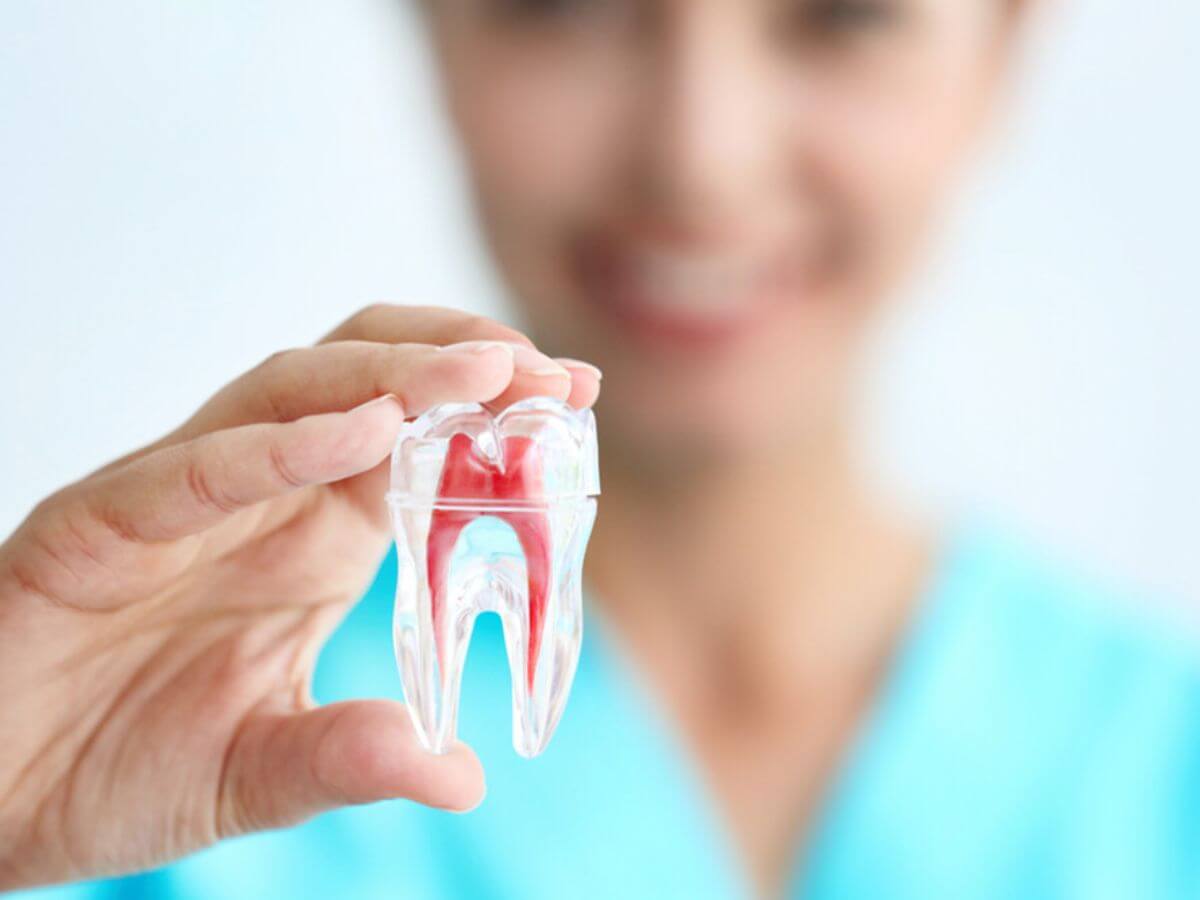
Root canal treatment is designed to address infection within the pulp, the soft tissue at the centre of the tooth that contains nerves and blood vessels, and to preserve the natural tooth where clinically appropriate.
The American Association of Endodontists (AAE) notes that endodontic treatment is needed when the pulp becomes inflamed or infected, and that untreated pulp infection can cause pain or lead to an abscess.
At Smile Delhi – The Dental Clinic, our dental team provides clear, honest information about every treatment option, so patients can make informed decisions about their care with a realistic understanding of what each approach involves and what it may realistically achieve.
At a Glance: Root Canal Treatment and Severely Infected Teeth
- Root canal treatment is designed to remove infected pulp tissue and preserve the natural tooth where clinically possible
- The AAE describes root canal treatment as a safe, effective, and predictable procedure for eliminating infection and relieving pain
- Whether a tooth can be saved depends on the condition of the root, surrounding bone, and remaining tooth structure
- Not all severely infected teeth are suitable candidates for root canal treatment; clinical assessment determines suitability
- Leaving an infected tooth untreated may allow infection to spread and can lead to tooth loss or abscess formation
- Treatment outcomes vary from patient to patient depending on individual clinical circumstances
What Is Root Canal Treatment and How Does It Address Infection?
Root canal treatment, also referred to as endodontic treatment, is a dental procedure that removes infected or inflamed pulp tissue from inside the tooth, cleans and shapes the root canals, and seals them to reduce the risk of reinfection. The Mayo Clinic describes root canal treatment in South Delhi as a treatment to repair and save a badly damaged or infected tooth instead of removing it. The procedure addresses the source of infection directly by eliminating the infected tissue from within the tooth and disinfecting the internal spaces where bacteria have been present. Once the pulp is removed, the tooth can continue to function because it remains anchored in the jaw by the surrounding bone and ligament. The tooth no longer has a live nerve, but it can still bear the forces of biting and chewing when appropriately restored following treatment.
Can Root Canal Treatment Save a Severely Infected Tooth?
Root canal treatment may save a severely infected tooth in many cases, but not in all. The AAE notes that occasionally, a tooth cannot be saved because the root is severely fractured, the tooth does not have adequate bone support, or the tooth cannot be adequately restored after treatment. A dentist in South Delhi assesses these and other clinical factors to determine whether root canal treatment is a viable option before recommending treatment. When enough healthy root structure remains, when the surrounding bone is sufficiently intact, and when the tooth can be properly restored following treatment, root canal treatment is frequently considered the preferred approach to managing pulp infection. It allows the natural tooth to be retained rather than extracted, which may have advantages for the health and stability of the surrounding teeth and jaw.
What Factors Determine Whether a Tooth Can Be Saved?
Several clinical factors influence whether a severely infected tooth is suitable for root canal treatment. A thorough assessment by a dentist or endodontist is the only reliable way to determine which treatment approach is most appropriate for a specific situation.
Extent and Spread of the Infection
The degree to which infection has spread within and around the tooth influences whether root canal treatment is a viable option. Infection confined to the pulp and root canals is more readily addressed through root canal treatment than infection that has spread extensively to the surrounding bone. Where an abscess has formed at the root tip, root canal treatment may still be possible in many cases, though the presence and severity of bone involvement is assessed individually.
Condition of the Root
If the root of the tooth is severely fractured, particularly where the fracture extends below the gum line, root canal treatment may not be a suitable option, as the structural integrity of the tooth may be compromised beyond what restoration can address. Dental X-rays and clinical examination allow the dentist to assess the condition of the root and the extent of any fracture before recommending treatment.
Remaining Tooth Structure
Following root canal treatment, the tooth requires restoration, typically a dental crown, to protect the remaining structure and restore function. If insufficient tooth structure remains above the gum line to support a crown or other restoration, the tooth may not be a suitable candidate for root canal treatment regardless of the infection’s extent.
Supporting Bone Condition
The health and quantity of bone surrounding the root of the tooth is another factor that influences long-term prognosis following root canal treatment. Where significant bone loss has occurred due to longstanding infection or gum disease, the tooth’s stability and long-term prognosis may be affected even if root canal treatment successfully addresses the pulp infection.
What Happens If a Tooth Infection Is Left Untreated?
If a severely infected tooth is not treated, the infection does not typically resolve on its own. The Mayo Clinic notes that untreated pulp infection can lead to a serious infection or a collection of pus called an abscess, and that this can lead to pulp death, bone loss, and loss of the tooth itself. In some cases, dental infections that are not addressed promptly may spread to surrounding structures, which is why seeking timely professional evaluation is advisable when symptoms of pulp infection are present.
Symptoms that may indicate a tooth infection and warrant professional assessment include persistent or severe toothache, prolonged sensitivity to heat or cold, swelling of the gum or face near the tooth, a pimple-like bump on the gum, or a tooth that has darkened. These symptoms alone do not confirm the need for root canal treatment, a clinical examination and X-rays are required to make that determination.
What Does the Root Canal Procedure Involve?
Root canal treatment typically involves the following sequence of steps, though the specifics may vary depending on the complexity of the case and the condition of the tooth:
Assessment and Anaesthesia
The dentist or endodontist examines the tooth using X-rays and clinical tests to confirm the diagnosis and assess the extent of infection. The treatment area is numbed using local anaesthesia and a dental dam is placed to keep the tooth clean and isolated during the procedure.
Removal of Infected Pulp
A small opening is created in the crown of the tooth to access the pulp chamber. The infected or inflamed pulp tissue is removed from the pulp chamber and root canals using fine instruments. This step eliminates the primary source of bacterial infection within the tooth.
Cleaning, Shaping, and Disinfection
The root canals are cleaned, shaped, and flushed with antimicrobial solutions to reduce bacterial presence as thoroughly as possible. This disinfection step is important because bacteria can persist in microscopic irregularities within the canal walls if not adequately addressed.
Sealing and Restoration
Once the canals are cleaned and dried, they are filled with a biocompatible material, typically gutta-percha, and sealed. A temporary or permanent filling closes the access opening. In most cases, a dental crown is recommended following root canal treatment, particularly for back teeth, to protect the tooth and restore function.
Is Root Canal Treatment Always Successful?
Root canal treatment has a reasonable clinical track record when performed on appropriate candidates. The AAE describes it as a safe, effective, and predictable procedure. However, treatment outcomes are not guaranteed and can vary depending on the extent of infection, the complexity of the root canal system, the condition of the surrounding bone, and how well the treated tooth is restored afterward.
In some cases, a tooth may require retreatment if infection persists or recurs after the initial procedure. In others, extraction may ultimately be the recommended course if the tooth cannot be adequately saved or restored. Your dentist will discuss the realistic options for your individual situation based on clinical findings.
Frequently Asked Questions
Can root canal treatment save a tooth that has an abscess?
Root canal treatment may be a suitable option for a tooth with an abscess in many cases. An abscess forms when infection at the root tip creates a pocket of pus in the surrounding tissue. Where enough healthy root and bone structure remain and the tooth can be restored, root canal treatment can address the infection and allow the tooth to be retained. Clinical assessment determines whether root canal treatment or another approach is most appropriate for a specific case.
Is root canal treatment painful?
Root canal treatment is performed under local anaesthesia, which numbs the tooth and surrounding area. Many patients report that the procedure itself is comparable to having a filling placed. Individual experiences vary. The goal of root canal treatment is to relieve the pain caused by infection, not to cause it. Some mild soreness in the area following treatment is common and typically resolves within a few days.
What are the alternatives to root canal treatment for a severely infected tooth?
The main alternative to root canal treatment for a tooth with an infected pulp is extraction, removal of the tooth. Following extraction, replacement options such as a dental implant, bridge, or removable partial denture may be discussed to restore function and prevent neighbouring teeth from shifting. Your dentist can discuss the clinical suitability of each option based on your individual circumstances.
How long does root canal treatment take?
Root canal treatment may be completed in one or two appointments, depending on the complexity of the case and the extent of infection. More straightforward cases on front teeth may be completed in a single visit. More complex cases, or those involving significant infection, may require a second appointment to ensure the canals are adequately cleaned before permanent sealing.
What happens after root canal treatment?
Following root canal treatment, the tooth requires restoration to protect the remaining structure. A dental crown is commonly recommended, particularly for back teeth that bear significant biting forces. The treated tooth should be cared for similarly to natural teeth, regular brushing, flossing, and dental check-ups support its long-term function. Your dental team will provide specific aftercare guidance based on your situation.
Conclusion
If you have been experiencing symptoms of a tooth infection, such as persistent pain, swelling, heightened sensitivity, or a visible abscess, the most important step is to seek a professional dental assessment without delay. An untreated infected tooth may progress in ways that limit your treatment options and increase the risk of tooth loss.
Whether root canal treatment is appropriate depends on the condition of the tooth, its root, the surrounding bone, and the extent of the infection, which can only be reliably assessed through an in-person clinical examination.
At Smile Delhi – The Dental Clinic, our dental team carries out a thorough assessment, explains our findings clearly, and discusses your treatment options with honesty and transparency. Whether root canal treatment or another approach is more suitable for you, we are here to guide you through the process.
We encourage you to contact our Delhi clinic and schedule a consultation at your earliest convenience.
Sources
- American Association of Endodontists (AAE), Root Canal Explained https://www.aae.org/patients/root-canal-treatment/what-is-a-root-canal/root-canal-explained/
- Mayo Clinic, Root Canal Treatment https://www.mayoclinic.org/diseases-conditions/tooth-abscess/in-depth/root-canal/art-20585454
- Cleveland Clinic, Root Canal: What It Is, Procedure & Recovery https://my.clevelandclinic.org/health/treatments/21759-root-canal
- Healthline, Do You Need a Root Canal? 7 Common Telltale Symptoms https://www.healthline.com/health/do-you-need-a-root-canal-7-common-telltale-symptoms

Dr. Suprriya B. Bhatia is a highly experienced dental professional with over 25 years of clinical expertise. A leading dentist in South Delhi, she is the founder of Smile Delhi – The Dental Clinic and specialises in cosmetic dentistry, dental implants, and smile makeovers. Dr. Suprriya B. Bhatia is known for her compassionate, patient-centred approach and commitment to creating healthy, confident smiles for patients from India and abroad.


"Extremely good service and care..."
Tim Gound
Location:- U. K.


"The standard of the clinic is like a first country’s clinic..."
PEDRO MORAES
Location:- Brazil


"Me and my family were very reluctant to undergo my dental treatment in India, but..."
RICHARD SALDANHA
Location:- Peru, South America


"The hygiene is good, the care up to European standards if not better. Strong on explaining..."
THOMAS BAINS
Location:- European Commission

"A new beautiful smile made by a beautiful lady who truly cares for her patients..."
Sinead
Location:- England

"I have the smile of my dream….This clinic is very professional and they use only best materials..."
Alla Lu
Location:- Russia


"Thank you so much for making my dream come true to have a perfect smile..."
Jacyln Gopinathan
Location:- Mindro Philippines


"I felt very comfortable through my treatment and i had 100% trust in you..."
Arnar Gislason
Location:- Iceland


"Thank you for giving me a smile that i’ve dreamed of for years..."
Yuto Harrison
Location:- Canada


"Dr. Suprriya’s work was amazing…. She is super professional and polite..."
Todd
Location:- Australia


"Dr. Suprriya is such a lovely and warm hearted woman as well as a truly and high qualified professional..."
Victor Vique
Location:- Switzerland


"After travelling all through India and visiting 7 different clinics, this..."
JEFF MC CLEAN
Location:- New Zealand

"From the moment i got here i knew i had made the right decision."


"Thank you so much, Dr. Suprriya! I am so grateful for you and your practice."

"Very attentive and grateful for the results. I will keep in Touch"

"You saved my teeth. Lovely clinic and very professional staff..."


"My teeth are 7-8 shades whiter, thanks to you and your team..."

"Thank you very much dr. suprriya for wonderful treatment for implants and bridge and giving me my smile back."


"Felt in good hands during the whole treatment..."

"Visited many dentist around the world and smile delhi definitely gives you a great smile..."


"Over all experience was wonderful…"
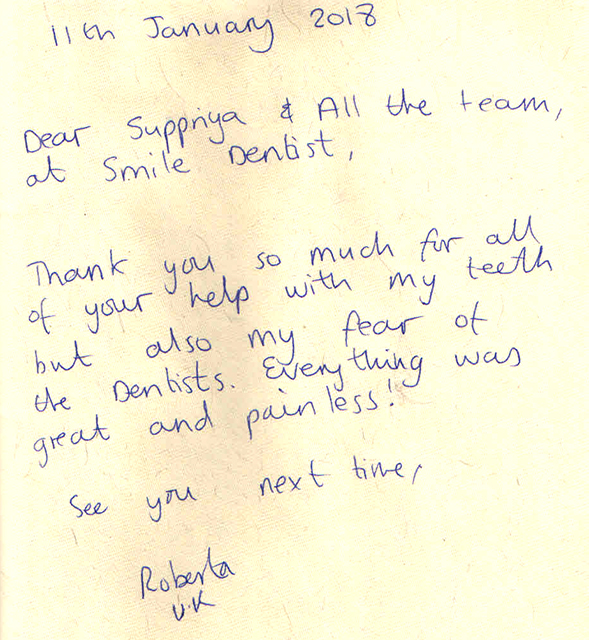
"Every thing was great and pain less !....."
Roberta
Location:- UK

"Dr. Suprriya is such a lovely and warm hearted woman as well as a..."
Victor
Location:- Switzerland


"Didn’t hurt, looked good, felt good, clearly explained and professionally done..."
Jeff
Location:- New zealand

"Dr. Supria is a unic dentice and an exellent person..”, “…honest and direct.."
Yaron Mayer
Location:- Israel Embassy

"Dr. Suprriya is very gentle and excellent human being. A perfect Dentist I...."
Uarely
Location:- Finland


"You treated me gentle as a child!..."
Andreas
Location:- Norway


"You are probably one of the best dentist I have ever been to in the last 50 years..."
Usama
Location:- Saudi Arabia
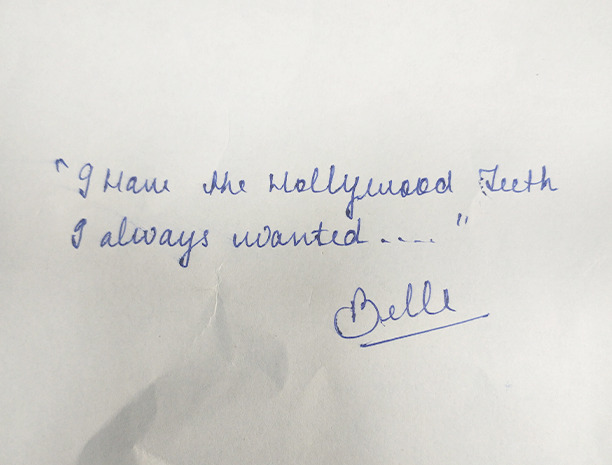

"I have the Hollywood teeth I always wanted…"
Belle
Location:- Canada
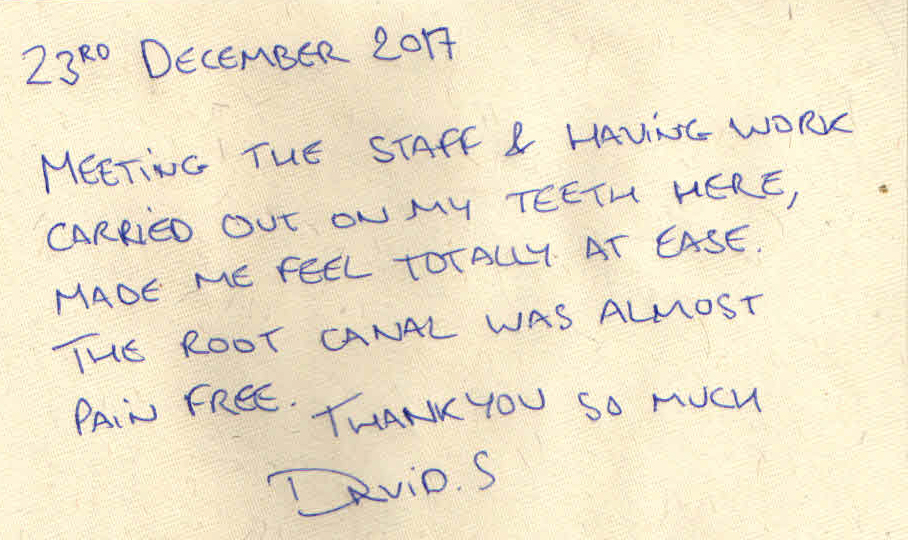
"The root canal was almost pain free....."
David Seeley
Location:- UK

"Thank You very much for giving me my smile back and my holiday!....."
Lesley Marsdin
Location:- UK

"I even laughed when they screwed the posts in ! very professional even enjoyed it a bit"
Laurewce Moon
Location:- UK
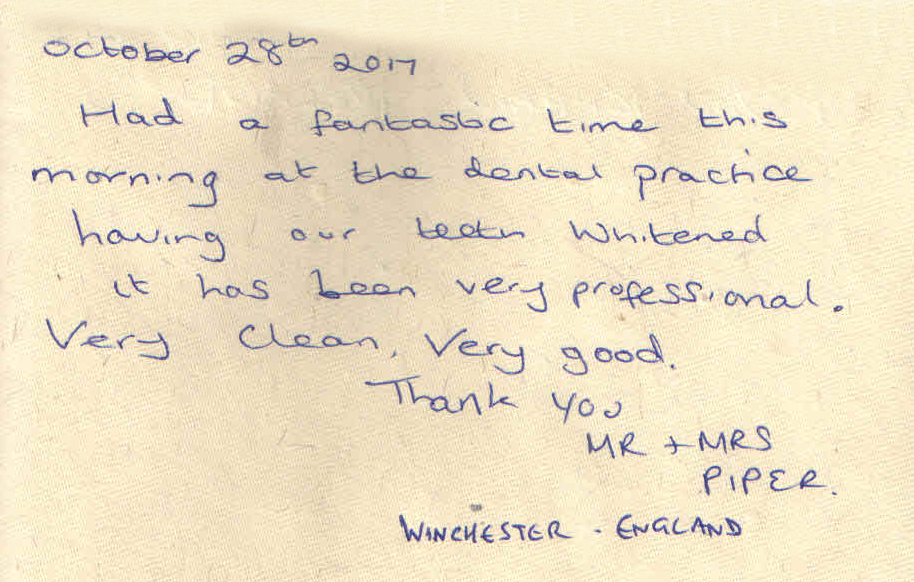
"It has been very professional. Very clean, very good......"
Mr. & Mrs. Piper
Location:-Winchester, England

"My emergency treatment was incredible kind and 1st class....."
Kevin Kahan
Location:- Ireland
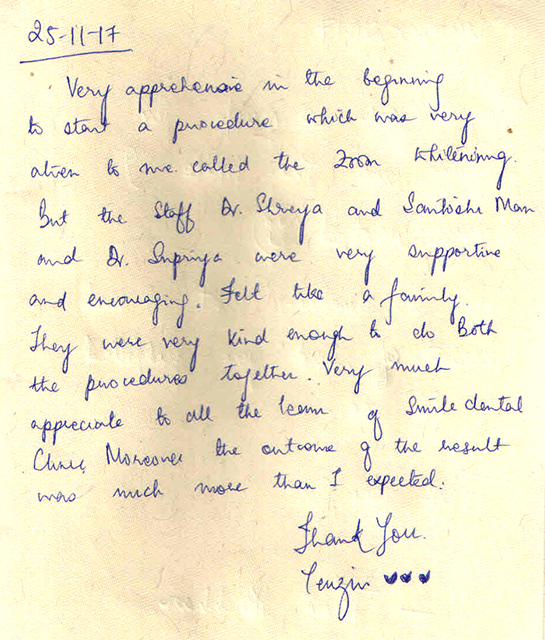

"The result was much more than I expected in zoom whitening....."
Tenzin
Location:- Bhutan
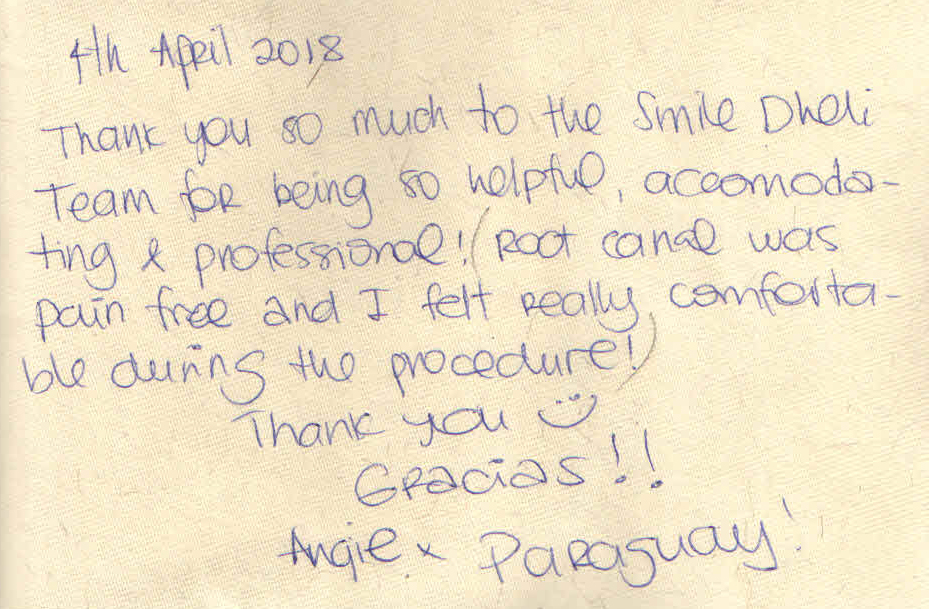

"Root canal was pain free and i felt really comfortable during the procedure....."
Angie
Location:- Paraguay
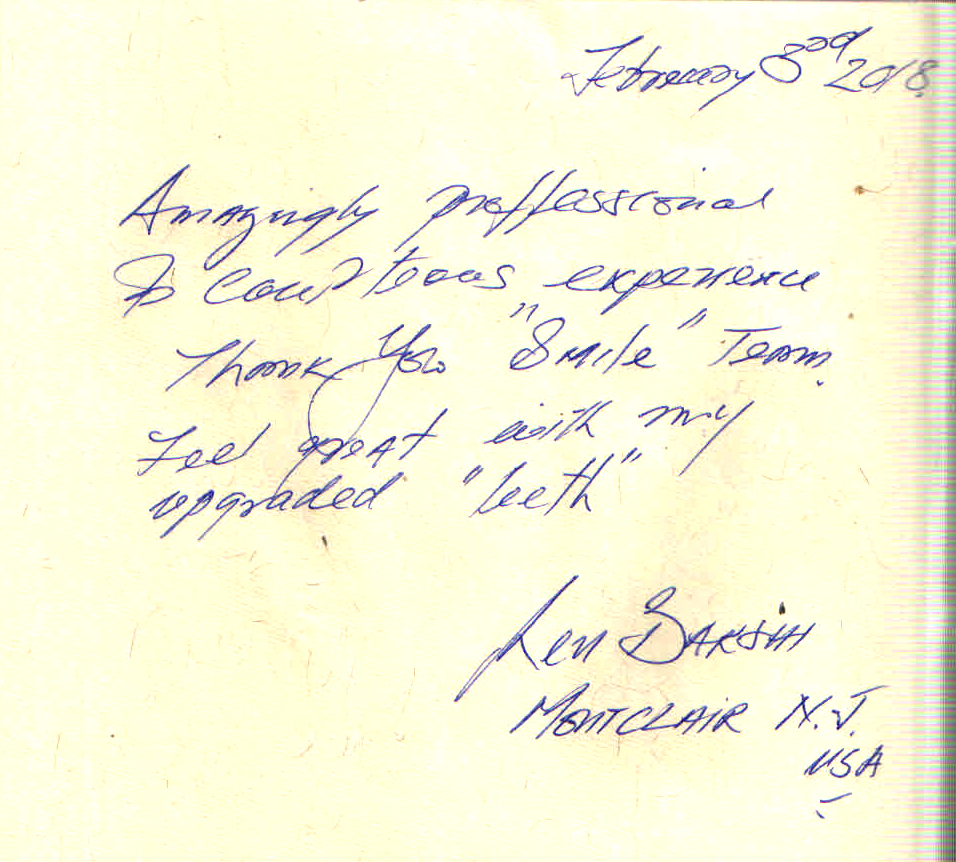
"Amazingly professional and courteous experience......"
Ken Bakshi
Location:- USA

"I had my teeth whitened amazing results!"
Paula Davey
Location:- Australia


"I would like to have sometimes so good dentist in Europe like Dr Suprriya..."
DANNY
Location:- Austria

"I would highly recommend Suprriya to anyone seeking good oral health care..."
ALLISON WEST
Location:- Australia


"Dr Suprriya, I just want to thank you for the very well done..."
MARIO
Location:- Columbia (Diplomat in India)