

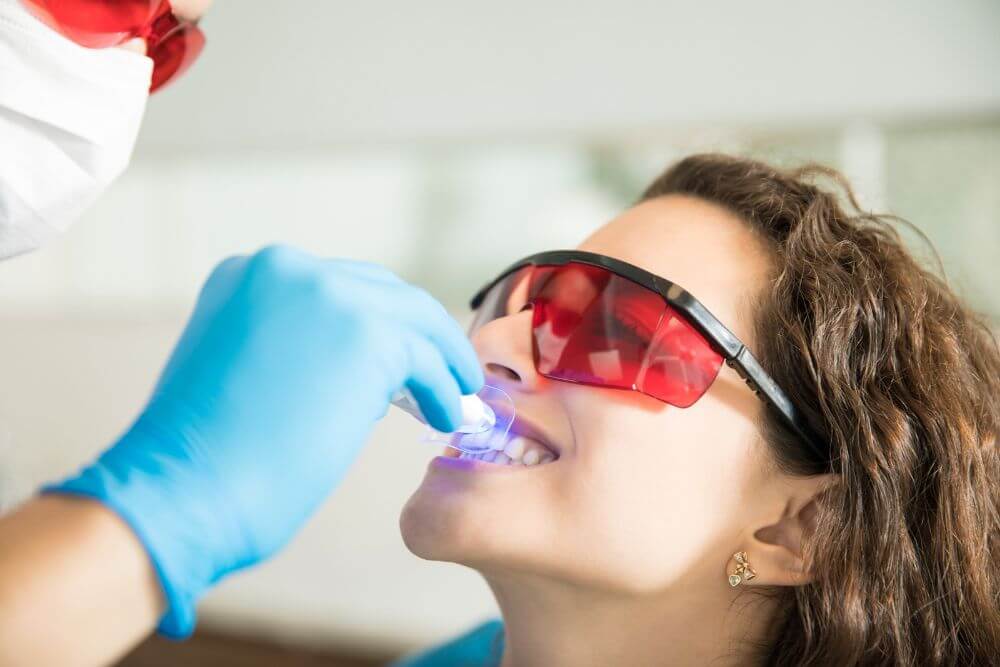
Which Types of Tooth Stains Respond Best to Teeth Whitening?
Tooth discolouration is one of the most common cosmetic concerns that brings patients to a dental clinic, and teeth whitening is among the most frequently requested treatments. However, whitening effectiveness depends significantly on the type of stain involved, as not all discolouration responds equally well to bleaching.
Extrinsic stains sit on the outer surface of the tooth and usually respond well to whitening. Intrinsic stains are embedded deeper within the tooth’s structure and may show only limited improvement with standard approaches.
This article explains the main types of tooth stains, how whitening works on each, and when a dentist may recommend an alternative cosmetic approach.
At Smile Delhi – The Dental Clinic Delhi, our team helps patients understand their options clearly before making cosmetic treatment decisions, so expectations are realistic and choices are informed.
At a Glance: Tooth Stains and Teeth Whitening
- Tooth stains are broadly classified as extrinsic (surface) or intrinsic (within the tooth structure)
- Extrinsic stains from food, beverages, and tobacco tend to respond most favourably to whitening
- Yellow-toned extrinsic stains generally respond better to bleaching than grey or brown tones
- Intrinsic stains, from ageing, certain medications, fluorosis, or trauma, may respond only partially or not at all
- Whitening treatments do not affect the colour of dental restorations such as crowns, fillings, or veneers
- A dental assessment is the appropriate first step before beginning any whitening treatment
What Are Extrinsic Tooth Stains?
Extrinsic tooth stains are surface-level discolourations that develop on or near the outer layer of the tooth, known as the enamel. These stains form when pigmented compounds from food, beverages, and other substances accumulate on the enamel surface over time. The American Dental Association (ADA) notes that coffee, wine, and tea contain intense colour pigments called chromogens that can alter the colour of tooth enamel, and that tobacco use is another common contributor to surface staining.
Because extrinsic stains are located on the outer surface of the tooth, they are generally more accessible to the bleaching agents used in whitening products and treatments. DentalCare.com, the professional education resource from Colgate, notes that a wide range of extrinsic stains can be effectively reduced with mechanical interventions such as brushing with a whitening toothpaste or professional prophylaxis, and that some over-the-counter whitening products are effective primarily in removing extrinsic surface stains. Teeth whitening in South Delhi may therefore be considered when addressing suitable types of surface discoloration.
Common causes of extrinsic staining include regular consumption of coffee, tea, red wine, or dark-coloured foods; tobacco use; poor oral hygiene allowing plaque and tartar to accumulate; and certain mouth rinses containing chlorhexidine.
What Are Intrinsic Tooth Stains?
Intrinsic tooth stains develop within the internal structure of the tooth, inside the enamel layer or within the underlying dentin layer beneath it. Because these stains are embedded in the tooth’s structure rather than on its surface, they are not removable by mechanical cleaning alone and may respond only partially, or not at all, to standard whitening treatments.
The ADA notes that some over-the-counter whitening products will not have a significant impact on intrinsic stains or the intrinsic colour of the tooth. A best dentist in South Delhi can assess whether intrinsic stains typically originate from causes that affect the tooth during or after its development, rather than from surface accumulation.
Common causes of intrinsic staining include ageing (which causes the enamel to thin and the naturally darker dentin beneath to show through more visibly), certain antibiotics such as tetracycline taken during childhood tooth development, excessive fluoride exposure during development (fluorosis), trauma to the tooth causing internal changes, and certain developmental conditions.
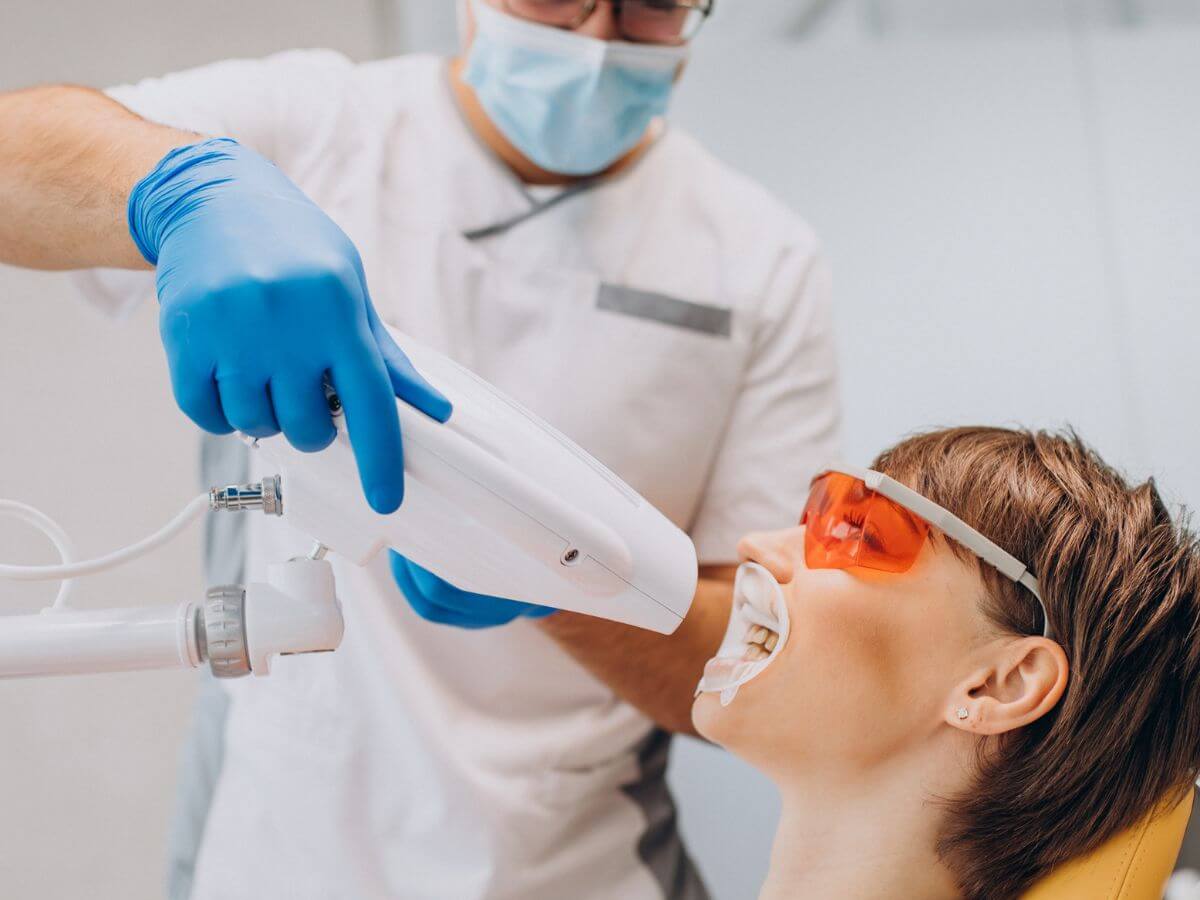
Which Types of Tooth Stains Respond Best to Teeth Whitening?
Extrinsic stains, particularly yellow-toned surface stains from dietary sources, tend to respond most favourably to professional whitening treatments. DentalCare.com notes that yellow, orange, and light brown stains respond best to bleaching, while grey or blue-toned stains are generally more resistant. This is a clinically recognised pattern that influences how a dentist discusses whitening options with individual patients.
Within the category of extrinsic stains:
- Yellow surface stains from dietary habits such as coffee and tea tend to respond well to professional whitening
- Light brown stains often respond to a moderate degree, depending on their depth and the concentration of bleaching agent used
- Orange-toned stains, which are sometimes associated with certain bacteria or tobacco, may also respond reasonably well to whitening
- Grey or dark brown extrinsic stains, such as those associated with heavy tobacco use or metallic compounds, tend to be more resistant and may respond less predictably
Among intrinsic stains, age-related discoloration, where overall yellowing has occurred as the enamel has thinned with age, may respond more favourably to professional teeth whitening than other intrinsic types. This is because the discolouration is more diffuse and the yellowing is not as deeply embedded or structurally complex as stains from tetracycline or fluorosis.
Which Stains Are Least Likely to Respond to Whitening?
Certain types of tooth discolouration have a well-recognised tendency to respond poorly to standard whitening treatments, regardless of the strength or duration of bleaching applied.
Tetracycline-Related Intrinsic Staining
Tetracycline-related staining is among the most resistant to whitening. When tetracycline antibiotics are taken during the period of tooth development, the antibiotic is incorporated into the forming tooth structure and creates a banded, grey-brown discolouration within the dentin. Extended whitening treatment may produce some lightening, but the degree of improvement is typically limited, particularly for more severe cases. Cosmetic alternatives such as porcelain veneers may be discussed when whitening is unlikely to achieve an acceptable result.
Dental Fluorosis
Dental fluorosis results from excessive fluoride exposure during the years when teeth are developing. It can appear as white spots, streaking, or in more significant cases, brown pitting or mottling across the enamel. The response to whitening varies. Mild fluorosis may lighten to some degree, but moderate to severe fluorosis often requires alternative cosmetic treatment.
Trauma-Related Discolouration
A tooth that has darkened following trauma or a root canal procedure may require internal bleaching, a procedure carried out from inside the tooth, or a restorative approach such as a crown or veneer, rather than standard external whitening.
Discolouration from Dental Restorations
Teeth whitening does not change the colour of existing dental restorations. Crowns, veneers, composite fillings, and other restorations are made from materials that do not respond to bleaching agents. If a patient whitens their natural teeth without accounting for existing restorations, the result may be uneven in appearance. A dental assessment before whitening allows the dentist to identify any restorations and plan accordingly.
What Does Professional Whitening Involve?
Professional teeth whitening is carried out under dental supervision and uses higher concentrations of peroxide-based bleaching agents than those found in most over-the-counter products. The ADA describes two main professional whitening approaches: in-office whitening, where the dentist applies the bleaching agent directly and the procedure is completed in one or two appointments; and dentist-supervised take-home whitening, where custom-fitted trays and a lower-concentration bleaching gel are used at home over a period of days or weeks.
Both approaches work by allowing the bleaching agent to penetrate the enamel and break down the colour compounds responsible for staining. As of 2025, professional supervision before and during whitening is advisable to ensure the treatment is appropriate for the individual patient’s tooth type, existing restorations, and gum health.
A dental examination before whitening is important because it allows the dentist to assess the type of staining present, identify any restorations or conditions that may affect how whitening products perform, and advise whether whitening is an appropriate first step or whether a different cosmetic approach may be more suitable.
When Might an Alternative to Whitening Be Recommended?
When tooth discolouration is primarily intrinsic and does not respond adequately to whitening, or when the type of staining makes a good whitening result unlikely, a dentist may discuss cosmetic alternatives. These may include:
- Porcelain veneers, thin ceramic shells bonded to the front surface of the tooth, covering discolouration rather than attempting to bleach it away
- Dental bonding, a tooth-coloured resin applied and shaped on the tooth surface, used for more localised discolouration or irregularities
- Dental crowns, where a tooth has both significant discolouration and structural concerns, a crown may address both
These alternatives are discussed based on the individual patient’s clinical circumstances and cosmetic goals. They are not appropriate for every situation, and a dental consultation is the appropriate starting point for determining which approach, if any, may be suitable.
Frequently Asked Questions
Which types of tooth stains respond best to teeth whitening?
Extrinsic stains, particularly yellow and light brown surface stains from dietary sources such as coffee, tea, and certain foods, tend to respond most favourably to professional whitening treatments. The ADA and DentalCare.com both note that yellow, orange, and light brown stains respond best to bleaching, while grey, dark brown, or blue-toned stains are generally more resistant. Intrinsic stains, particularly from tetracycline or fluorosis, tend to respond less predictably and may require alternative cosmetic approaches.
Will teeth whitening work on stains from smoking or tobacco use?
Tobacco-related stains are typically extrinsic in nature and may respond to professional whitening, though the degree of response varies depending on how long the staining has been present and how deeply it has penetrated the enamel. Very heavy or long-standing tobacco staining may not respond as fully as more recent surface staining. A dental assessment can help determine what results may be realistic for an individual patient’s situation.
Can teeth whitening remove stains caused by tetracycline?
Tetracycline-related staining is intrinsic and is among the most resistant to bleaching. Extended whitening treatment may produce limited lightening in some cases, but significant improvement is not reliably achievable for moderate to severe tetracycline staining. Cosmetic alternatives such as porcelain veneers are sometimes discussed for patients whose discolouration does not respond adequately to whitening. A dental consultation can help clarify which approach may be most appropriate.
Does teeth whitening affect existing crowns or fillings?
Teeth whitening does not change the colour of dental restorations such as crowns, veneers, composite fillings, or other restorative materials. Only natural tooth enamel responds to bleaching agents. If whitening is undertaken without accounting for existing restorations, the result may appear uneven. This is one reason a dental assessment before whitening is advisable, so that the dentist can review the full clinical picture.
How long do teeth whitening results last?
The longevity of whitening results varies depending on the original cause of discolouration, the patient’s dietary habits, tobacco use, and oral hygiene. Whitening results are not permanent, teeth can re-stain over time, particularly with regular consumption of coffee, tea, red wine, or tobacco. Periodic touch-up treatments and maintaining good oral hygiene may help to extend results, though the specific timeline varies from patient to patient.
Conclusion
If you are considering teeth whitening but are unsure whether your discolouration is likely to respond, the most useful first step is a consultation with your dentist. The type, depth, and cause of your stains can significantly influence what whitening may achieve, and understanding what is realistically possible helps avoid disappointment and supports better decisions about your care.
A dental examination before whitening also allows your dentist to check that your teeth and gums are suitable for treatment, identify any restorations that may affect the evenness of results, and advise whether an alternative cosmetic approach might be more appropriate.
At Smile Delhi – The Dental Clinic, we take the time to assess each patient individually and explain our findings and recommendations clearly.
If you have questions about teeth whitening or would like to understand your options for addressing tooth discolouration, we welcome you to schedule a consultation at our Delhi clinic at your convenience.
Sources
- American Dental Association (ADA), Oral Health Topics: Whitening https://www.ada.org/resources/ada-library/oral-health-topics/whitening
- DentalCare.com (Colgate Professional), Staining Types and Causes: CE Course CE491 https://www.dentalcare.com/en-us/ce-courses/ce491/staining-types-and-causes
- Healthline, Do Whitening Strips Work? https://www.healthline.com/health/do-whitening-strips-work
- ADA MouthHealthy, Teeth Whitening: 5 Things to Know About Getting a Brighter Smile
https://www.mouthhealthy.org/en/all-topics-a-z/teeth-whitening

Dr. Suprriya B. Bhatia is a highly experienced dental professional with over 25 years of clinical expertise. A leading dentist in South Delhi, she is the founder of Smile Delhi – The Dental Clinic and specialises in cosmetic dentistry, dental implants, and smile makeovers. Dr. Suprriya B. Bhatia is known for her compassionate, patient-centred approach and commitment to creating healthy, confident smiles for patients from India and abroad.


"Extremely good service and care..."
Tim Gound
Location:- U. K.


"The standard of the clinic is like a first country’s clinic..."
PEDRO MORAES
Location:- Brazil


"Me and my family were very reluctant to undergo my dental treatment in India, but..."
RICHARD SALDANHA
Location:- Peru, South America


"The hygiene is good, the care up to European standards if not better. Strong on explaining..."
THOMAS BAINS
Location:- European Commission
"A new beautiful smile made by a beautiful lady who truly cares for her patients..."
Sinead
Location:- England

"I have the smile of my dream….This clinic is very professional and they use only best materials..."
Alla Lu
Location:- Russia


"Thank you so much for making my dream come true to have a perfect smile..."
Jacyln Gopinathan
Location:- Mindro Philippines


"I felt very comfortable through my treatment and i had 100% trust in you..."
Arnar Gislason
Location:- Iceland


"Thank you for giving me a smile that i’ve dreamed of for years..."
Yuto Harrison
Location:- Canada
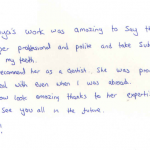

"Dr. Suprriya’s work was amazing…. She is super professional and polite..."
Todd
Location:- Australia


"Dr. Suprriya is such a lovely and warm hearted woman as well as a truly and high qualified professional..."
Victor Vique
Location:- Switzerland


"After travelling all through India and visiting 7 different clinics, this..."
JEFF MC CLEAN
Location:- New Zealand

"From the moment i got here i knew i had made the right decision."


"Thank you so much, Dr. Suprriya! I am so grateful for you and your practice."

"Very attentive and grateful for the results. I will keep in Touch"

"You saved my teeth. Lovely clinic and very professional staff..."


"My teeth are 7-8 shades whiter, thanks to you and your team..."

"Thank you very much dr. suprriya for wonderful treatment for implants and bridge and giving me my smile back."


"Felt in good hands during the whole treatment..."

"Visited many dentist around the world and smile delhi definitely gives you a great smile..."
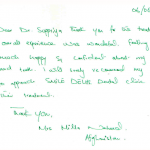

"Over all experience was wonderful…"
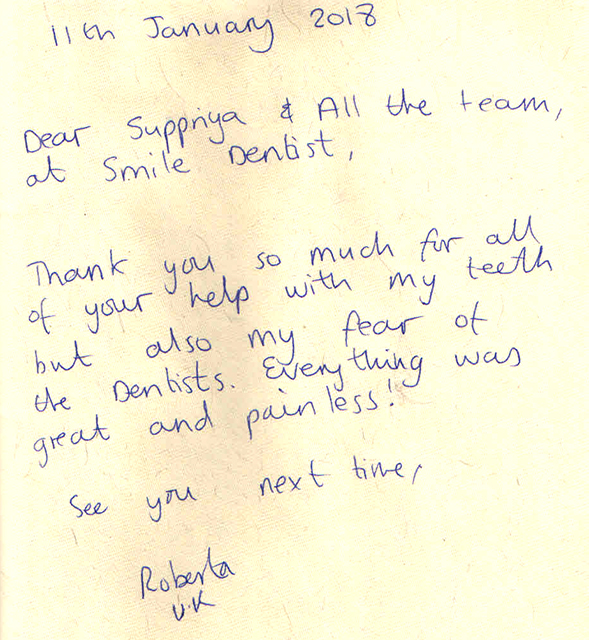
"Every thing was great and pain less !....."
Roberta
Location:- UK

"Dr. Suprriya is such a lovely and warm hearted woman as well as a..."
Victor
Location:- Switzerland
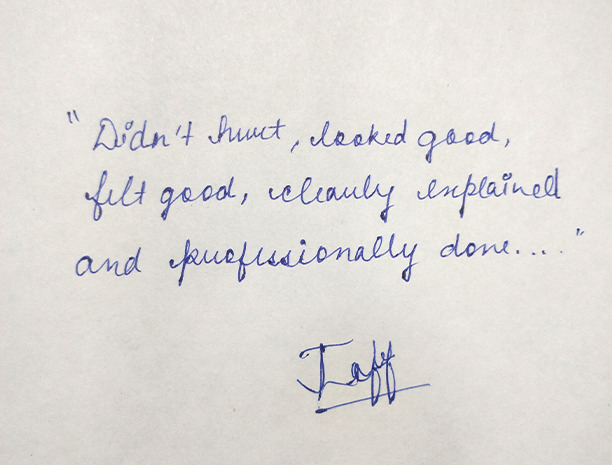

"Didn’t hurt, looked good, felt good, clearly explained and professionally done..."
Jeff
Location:- New zealand

"Dr. Supria is a unic dentice and an exellent person..”, “…honest and direct.."
Yaron Mayer
Location:- Israel Embassy

"Dr. Suprriya is very gentle and excellent human being. A perfect Dentist I...."
Uarely
Location:- Finland


"You treated me gentle as a child!..."
Andreas
Location:- Norway


"You are probably one of the best dentist I have ever been to in the last 50 years..."
Usama
Location:- Saudi Arabia
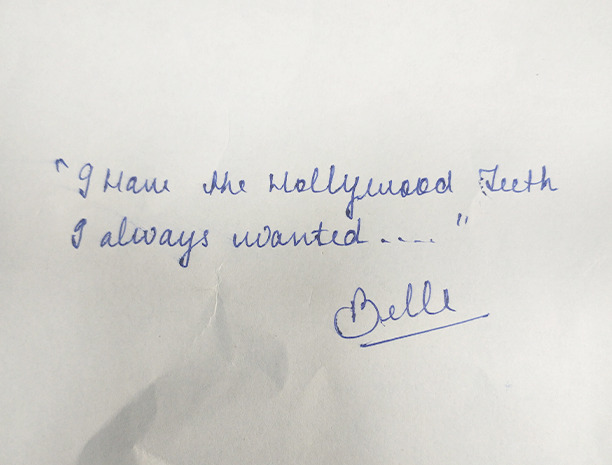

"I have the Hollywood teeth I always wanted…"
Belle
Location:- Canada

"The root canal was almost pain free....."
David Seeley
Location:- UK
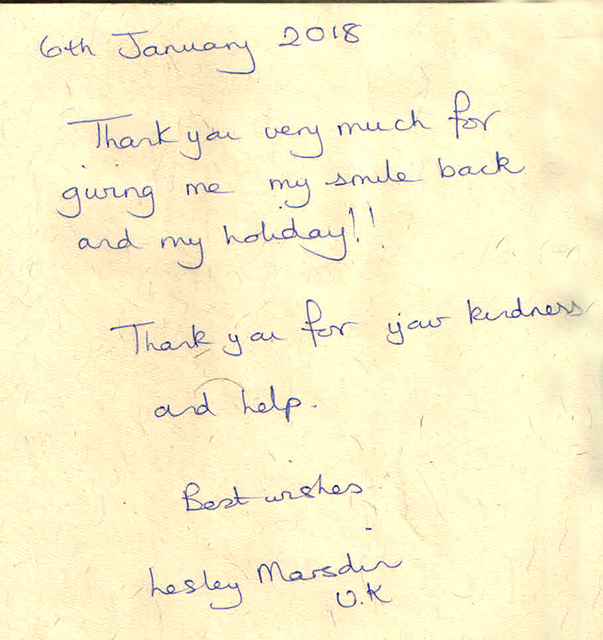
"Thank You very much for giving me my smile back and my holiday!....."
Lesley Marsdin
Location:- UK

"I even laughed when they screwed the posts in ! very professional even enjoyed it a bit"
Laurewce Moon
Location:- UK
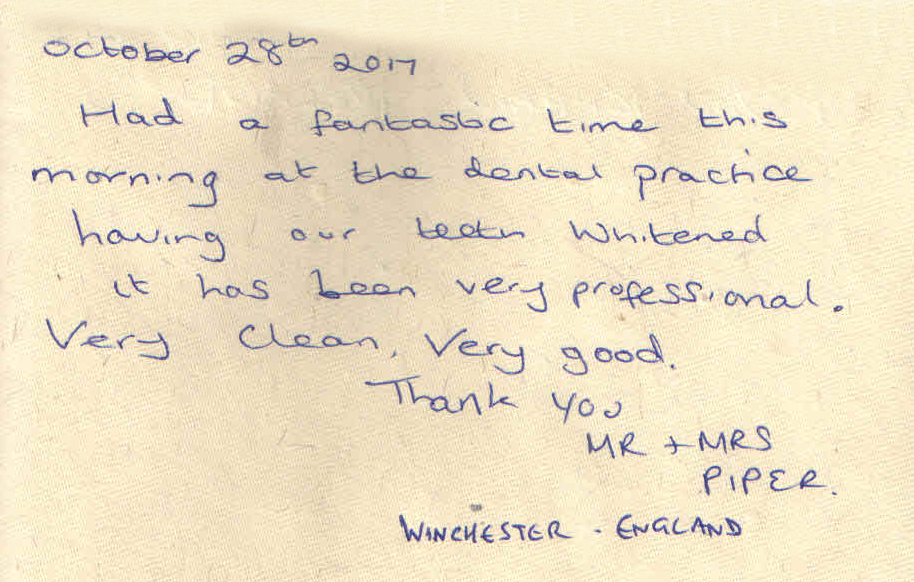
"It has been very professional. Very clean, very good......"
Mr. & Mrs. Piper
Location:-Winchester, England

"My emergency treatment was incredible kind and 1st class....."
Kevin Kahan
Location:- Ireland
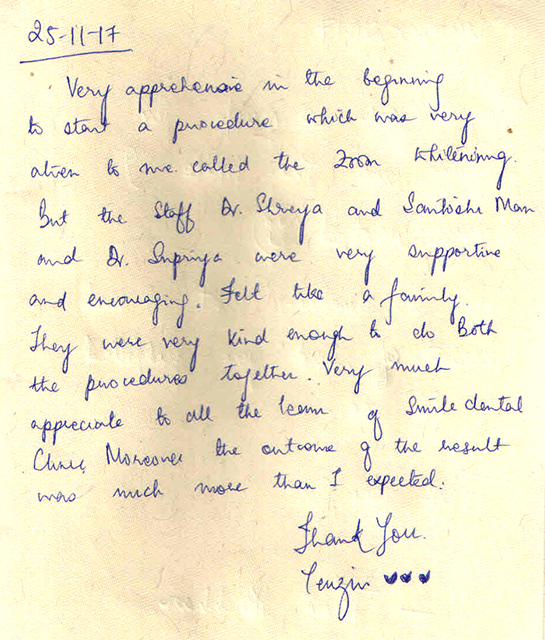

"The result was much more than I expected in zoom whitening....."
Tenzin
Location:- Bhutan
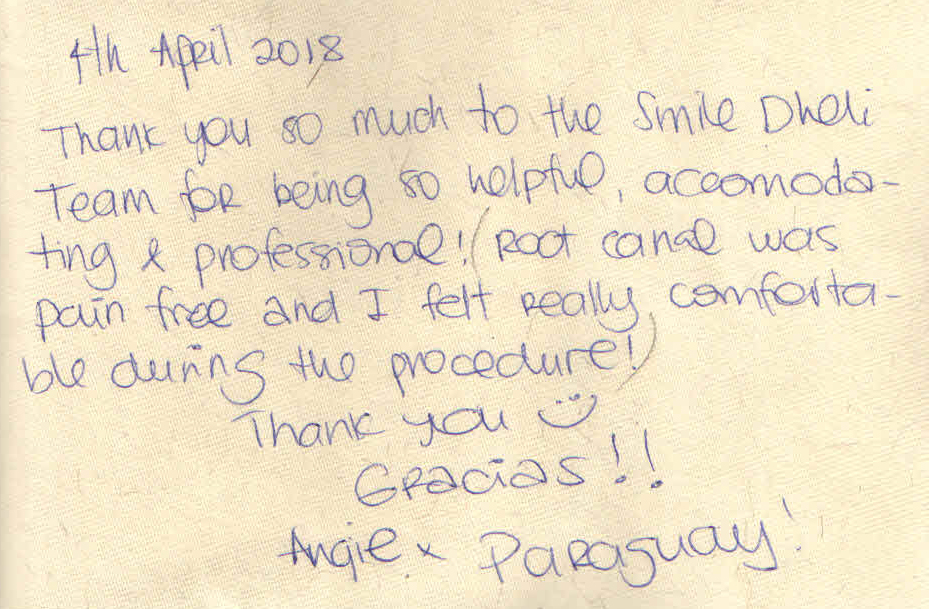

"Root canal was pain free and i felt really comfortable during the procedure....."
Angie
Location:- Paraguay
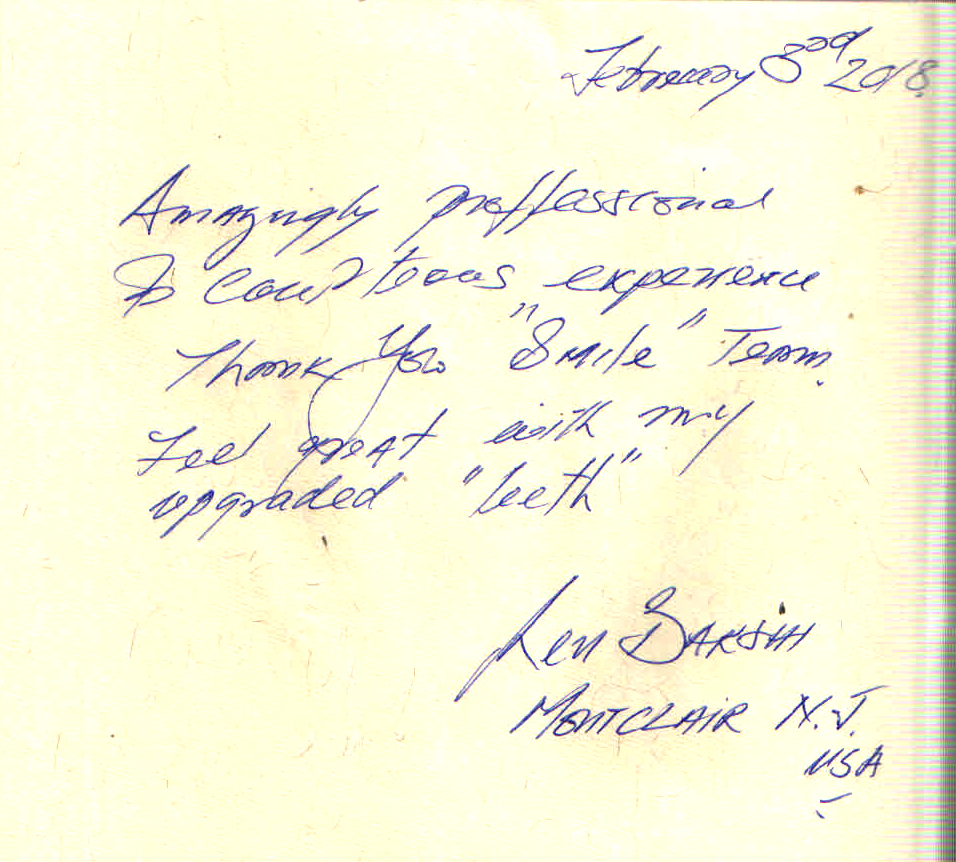
"Amazingly professional and courteous experience......"
Ken Bakshi
Location:- USA

"I had my teeth whitened amazing results!"
Paula Davey
Location:- Australia


"I would like to have sometimes so good dentist in Europe like Dr Suprriya..."
DANNY
Location:- Austria

"I would highly recommend Suprriya to anyone seeking good oral health care..."
ALLISON WEST
Location:- Australia


"Dr Suprriya, I just want to thank you for the very well done..."
MARIO
Location:- Columbia (Diplomat in India)