
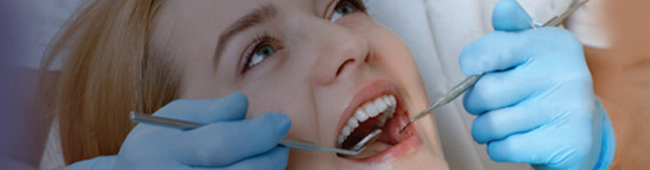

What Materials Are Used in Dental Implants?
Have you ever thought about what makes artificial teeth so strong that they can function almost like natural ones? Teeth play a big role in daily life.
They help us chew, speak clearly, and feel confident when smiling. When a tooth is missing, it affects more than appearance, it can also impact eating and overall oral health.
Today, one of the best solutions for replacing missing teeth is Dental Implants, which have become the gold standard for long-term tooth replacement.
But what gives these implants the power to last for decades? The answer lies in the materials used to make them.
Every part of an implant is designed using carefully chosen substances that work safely with the body while providing strength and a natural appearance.
In this article, we’ll explore the different materials used in implants, why they matter, and how dentists decide which option is best for each patient.
What Are Dental Implants?
A dental implant is a type of artificial tooth root that is placed in the jawbone to support a replacement tooth. It is made up of three main components.
The first is the implant screw, which is the foundation inserted into the bone. The second part is the abutment, which serves as a connector between the screw and the artificial tooth.
The final part is the crown, which is the visible replacement tooth shaped to match your natural teeth. The materials used for these components play a crucial role in their success.
Since implants remain in the body for many years, the materials must be safe, durable, and visually appealing. They must also withstand daily forces from chewing and speaking without breaking down.
For the best outcomes, many patients prefer consulting a specialist dentist in Delhi, as their expertise ensures proper material selection and long-lasting results.
Why Materials Matter in Dental Implants
The choice of materials is not just about engineering, it is about health and function too. One important factor is biocompatibility, which means the body accepts the implant without reacting negatively.
If the material is not compatible, the bone and gums may not heal properly, leading to implant failure. Another key factor is durability. Implants are expected to last for decades, so the material must be resistant to pressure, corrosion, and everyday wear.
This is why dentists often rely on strong metals or advanced ceramics. Lastly, appearance matters, especially for implants placed in the front of the mouth.
The material of the crown must look like a natural tooth, matching the shape, color, and shine of surrounding teeth. This balance of safety, durability, and appearance makes material selection a vital step in implant dentistry.
Common Materials Used in Dental Implants
Titanium: The Gold Standard
Titanium is the most common material used for implant screws. It has been used successfully since the 1960s, making it one of the most studied and trusted materials in dentistry.
One of the reasons titanium is so effective is its ability to bond directly with bone through a process called osseointegration. This allows the implant to act like a natural root, giving it stability and strength. Titanium is also highly resistant to corrosion, lightweight, and incredibly strong.
Patients who receive titanium implants often find that the tooth feels so natural they forget it is artificial. With good care, titanium implants can last several decades, making them a long-term solution for tooth replacement.
Titanium Alloys
While pure titanium is effective, dentists often use titanium alloys for added strength. These alloys are made by combining titanium with small amounts of other elements like aluminum and vanadium.
The result is a material that is lighter, stronger, and more resistant to fractures. Titanium alloys are especially useful for patients who need multiple implants or who have stronger biting forces, such as those who grind their teeth.
By combining durability with safety, titanium alloys continue to be a preferred choice in many implant procedures.
Zirconia: The Metal-Free Option
Zirconia is a ceramic-based material that provides an alternative to metal implants. Its white color makes it especially appealing for patients concerned about appearance, as it blends more naturally with the surrounding teeth and gums.
Zirconia implants are also a good option for individuals who have sensitivities to metals. Although zirconia implants are newer compared to titanium, they are becoming increasingly popular, especially in areas where cosmetic dentistry is in high demand, such as South Delhi.
Many patients choose zirconia implants when they want their dental work to be completely metal-free while still maintaining strength and durability.
Other Materials Involved in Dental Implants
The Abutment
The abutment is the small connector piece that links the implant screw with the crown. Abutments can be made of titanium or zirconia.
Titanium abutments are durable and widely used, while zirconia abutments are often chosen for front teeth where appearance is critical. In some cases, gold abutments may be used, though this is less common today.
Choosing the right abutment material plays an important role in achieving the best dental implants, as it ensures both strength and a natural-looking smile.
The Crown
The crown is the part of the implant that is visible above the gums. It is carefully shaped and colored to look like a natural tooth.
Several materials are used for crowns, including porcelain-fused-to-metal, which provides strength but can sometimes show a dark line near the gums over time.
All-ceramic crowns are another option, providing a natural look that works well for front teeth. Zirconia crowns combine high strength with excellent aesthetics, making them suitable for both front and back teeth.
Surface Coatings and Treatments
Implant screws are sometimes given special surface treatments to encourage better bonding with bone.
For example, roughened surfaces help bone cells grow more quickly around the implant, reducing healing time and improving stability.
Coatings can also make implants more resistant to bacteria, which helps in maintaining long-term success.
Factors Dentists Consider When Choosing Implant Materials
Dentists do not choose implant materials randomly. Instead, they evaluate each patient’s oral condition and overall health before deciding. One factor is the density of the patient’s jawbone.
A strong, healthy bone can support most types of implants, while weaker bone may require specific designs or materials.
The location of the implant also matters. Back teeth, which endure more pressure during chewing, often require titanium or titanium alloys for extra durability.
Front teeth, which are more visible, may be better suited to zirconia for its cosmetic benefits. Allergies and sensitivities are another consideration.
While rare, some patients may react to certain metals, making zirconia a better choice for them. Finally, long-term durability and lifestyle habits such as grinding teeth, eating hard foods, or smoking all play a role in material selection.
The Role of Technology in Implant Materials
Advances in dental technology have greatly improved implant success. Today, 3D imaging allows dentists to create precise treatment plans, ensuring implants are placed in the most stable and natural-looking positions.
Surface modifications to implants, such as laser treatments or nanotechnology, help speed up bone healing and improve the bond between implant and bone. Research is also ongoing into new materials that could combine the advantages of both titanium and zirconia.
These studies aim to create implants that are strong, natural-looking, and even more biocompatible than current options. As technology advances, patients can expect implants to become even more reliable and natural in both function and appearance.
Patient Experience and Material Choice
The choice of material directly affects the patient’s experience. For example, a patient in South Delhi who values cosmetic appearance may choose zirconia for its white, natural-looking color.
Another patient who requires multiple implants for chewing strength may prefer titanium alloys because of their durability.Lifestyle also plays a role in decision-making.
Someone who frequently eats hard foods or grinds their teeth may need the toughness of titanium, while another person may choose zirconia to achieve a more natural and metal-free smile.
Consulting with a dentist helps patients make informed decisions that balance health, function, and appearance.
In one real case, a patient with gum recession around a titanium dental implant opted to switch to zirconia, which blended better with the natural teeth and provided a boost in confidence.
This shows how the right choice of material can positively affect both health and self-esteem. Many patients have found guidance and modern solutions through clinics like ours, where professional advice ensures that each case receives the right material and treatment plan.
Conclusion
Dental implants are made from carefully chosen materials that combine safety, durability, and aesthetics. Titanium and titanium alloys remain the most widely used because of their proven track record and strength.
Zirconia provides a cosmetic, metal-free alternative that is especially appealing for visible teeth. Abutments and crowns also use advanced ceramics and metals to create a replacement tooth that functions well and looks natural.
Each material has unique strengths, and the right choice depends on a patient’s oral health, cosmetic needs, and lifestyle. Working with an experienced dentist allows patients to make confident decisions about their treatment.
For long-lasting solutions and expert care, many patients rely on Smile Delhi – The Dental Clinic, where advanced materials and technology are combined with patient-focused guidance to restore healthy, confident smiles.
Sources:
- https://pmc.ncbi.nlm.nih.gov/articles/PMC4295219/
- https://pmc.ncbi.nlm.nih.gov/articles/PMC5455450/
- https://www.mdpi.com/1996-1944/16/23/7383
- https://pmc.ncbi.nlm.nih.gov/articles/PMC10649288/

Dr. Suprriya B. Bhatia is a highly experienced dental professional with over 25 years of clinical expertise. A leading dentist in South Delhi, she is the founder of Smile Delhi – The Dental Clinic and specialises in cosmetic dentistry, dental implants, and smile makeovers. Dr. Suprriya B. Bhatia is known for her compassionate, patient-centred approach and commitment to creating healthy, confident smiles for patients from India and abroad.


"Extremely good service and care..."
Tim Gound
Location:- U. K.


"The standard of the clinic is like a first country’s clinic..."
PEDRO MORAES
Location:- Brazil


"Me and my family were very reluctant to undergo my dental treatment in India, but..."
RICHARD SALDANHA
Location:- Peru, South America


"The hygiene is good, the care up to European standards if not better. Strong on explaining..."
THOMAS BAINS
Location:- European Commission
"A new beautiful smile made by a beautiful lady who truly cares for her patients..."
Sinead
Location:- England

"I have the smile of my dream….This clinic is very professional and they use only best materials..."
Alla Lu
Location:- Russia


"Thank you so much for making my dream come true to have a perfect smile..."
Jacyln Gopinathan
Location:- Mindro Philippines


"I felt very comfortable through my treatment and i had 100% trust in you..."
Arnar Gislason
Location:- Iceland


"Thank you for giving me a smile that i’ve dreamed of for years..."
Yuto Harrison
Location:- Canada

"Dr. Suprriya’s work was amazing…. She is super professional and polite..."
Todd
Location:- Australia


"Dr. Suprriya is such a lovely and warm hearted woman as well as a truly and high qualified professional..."
Victor Vique
Location:- Switzerland


"After travelling all through India and visiting 7 different clinics, this..."
JEFF MC CLEAN
Location:- New Zealand

"From the moment i got here i knew i had made the right decision."


"Thank you so much, Dr. Suprriya! I am so grateful for you and your practice."

"Very attentive and grateful for the results. I will keep in Touch"

"You saved my teeth. Lovely clinic and very professional staff..."


"My teeth are 7-8 shades whiter, thanks to you and your team..."

"Thank you very much dr. suprriya for wonderful treatment for implants and bridge and giving me my smile back."
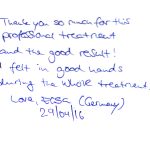

"Felt in good hands during the whole treatment..."

"Visited many dentist around the world and smile delhi definitely gives you a great smile..."
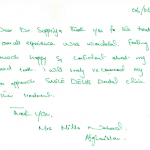

"Over all experience was wonderful…"
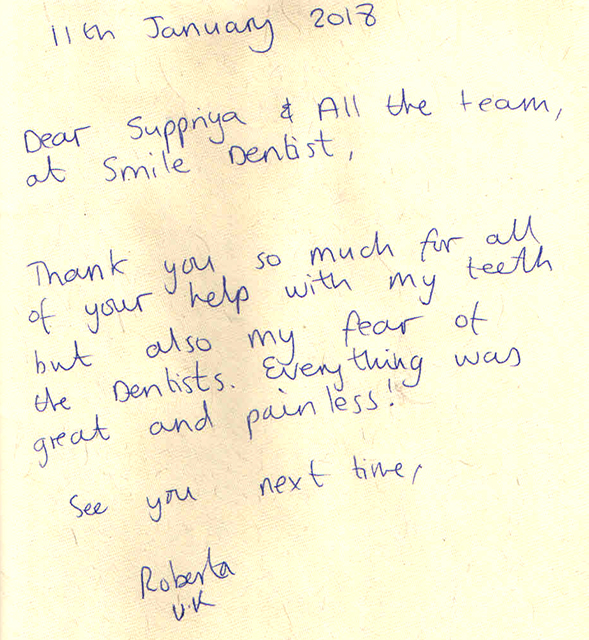
"Every thing was great and pain less !....."
Roberta
Location:- UK

"Dr. Suprriya is such a lovely and warm hearted woman as well as a..."
Victor
Location:- Switzerland
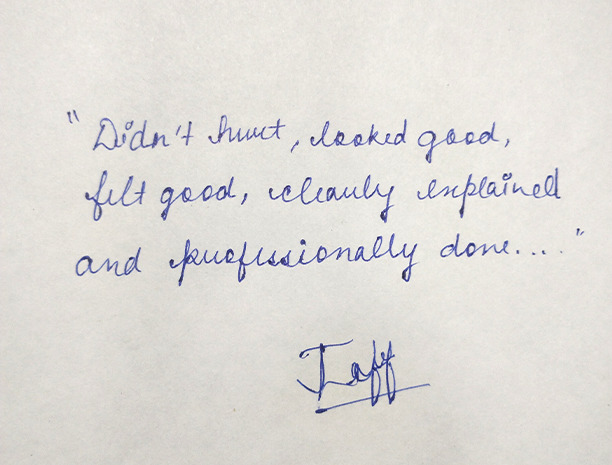

"Didn’t hurt, looked good, felt good, clearly explained and professionally done..."
Jeff
Location:- New zealand

"Dr. Supria is a unic dentice and an exellent person..”, “…honest and direct.."
Yaron Mayer
Location:- Israel Embassy

"Dr. Suprriya is very gentle and excellent human being. A perfect Dentist I...."
Uarely
Location:- Finland


"You treated me gentle as a child!..."
Andreas
Location:- Norway


"You are probably one of the best dentist I have ever been to in the last 50 years..."
Usama
Location:- Saudi Arabia
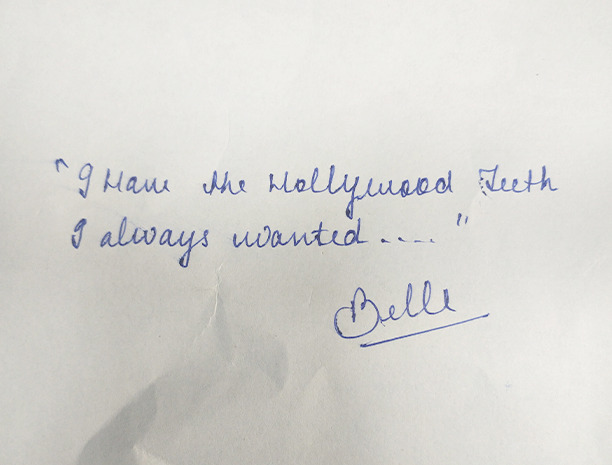

"I have the Hollywood teeth I always wanted…"
Belle
Location:- Canada
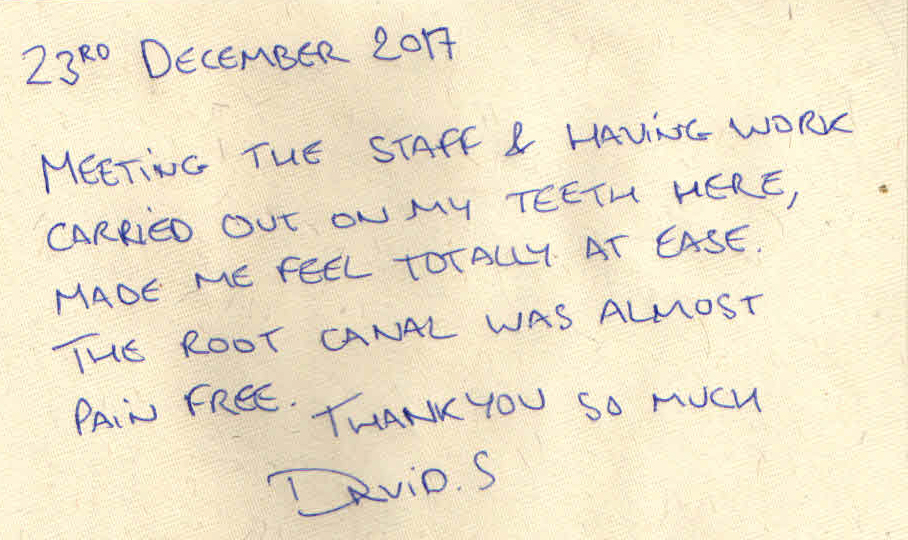
"The root canal was almost pain free....."
David Seeley
Location:- UK
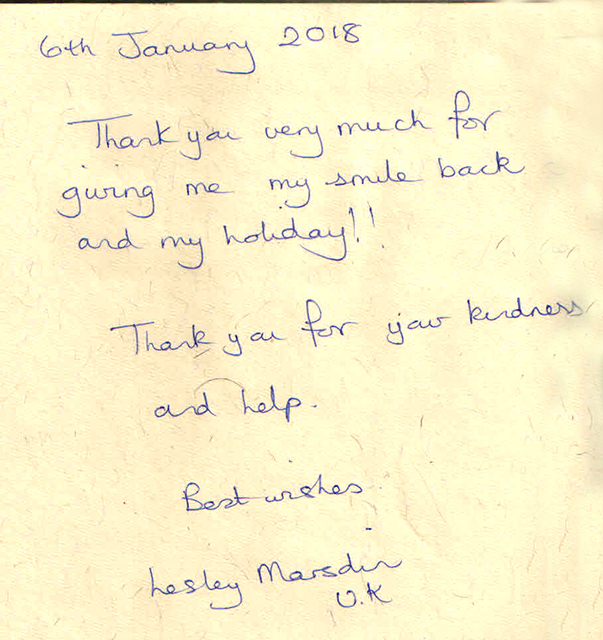
"Thank You very much for giving me my smile back and my holiday!....."
Lesley Marsdin
Location:- UK

"I even laughed when they screwed the posts in ! very professional even enjoyed it a bit"
Laurewce Moon
Location:- UK
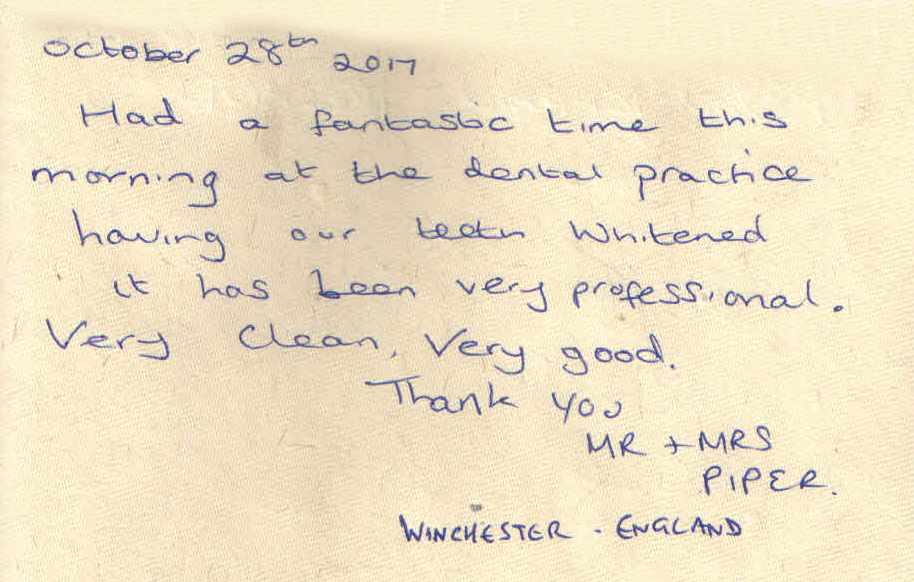
"It has been very professional. Very clean, very good......"
Mr. & Mrs. Piper
Location:-Winchester, England

"My emergency treatment was incredible kind and 1st class....."
Kevin Kahan
Location:- Ireland
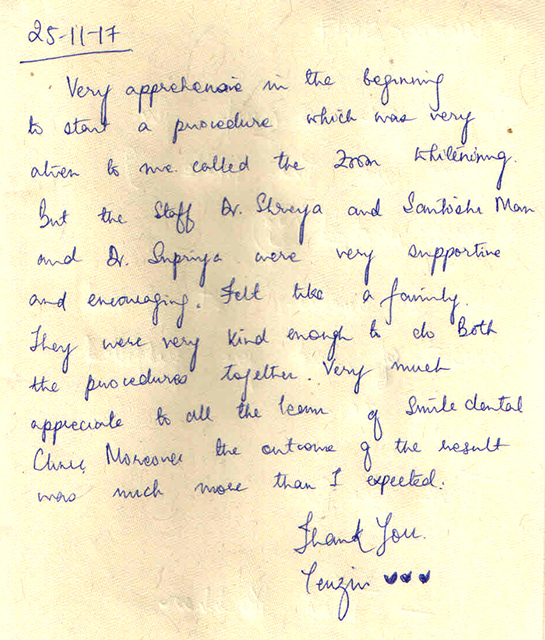

"The result was much more than I expected in zoom whitening....."
Tenzin
Location:- Bhutan
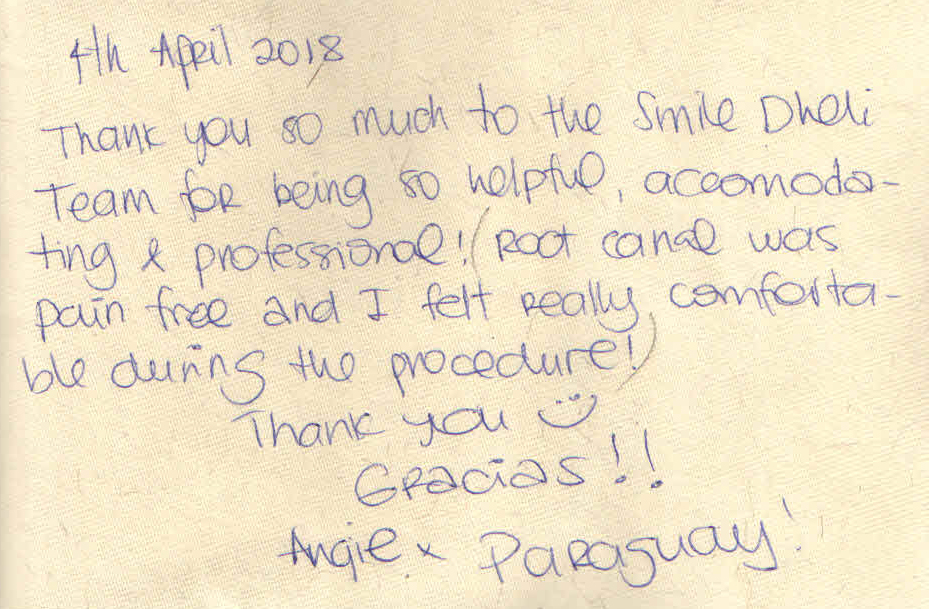

"Root canal was pain free and i felt really comfortable during the procedure....."
Angie
Location:- Paraguay
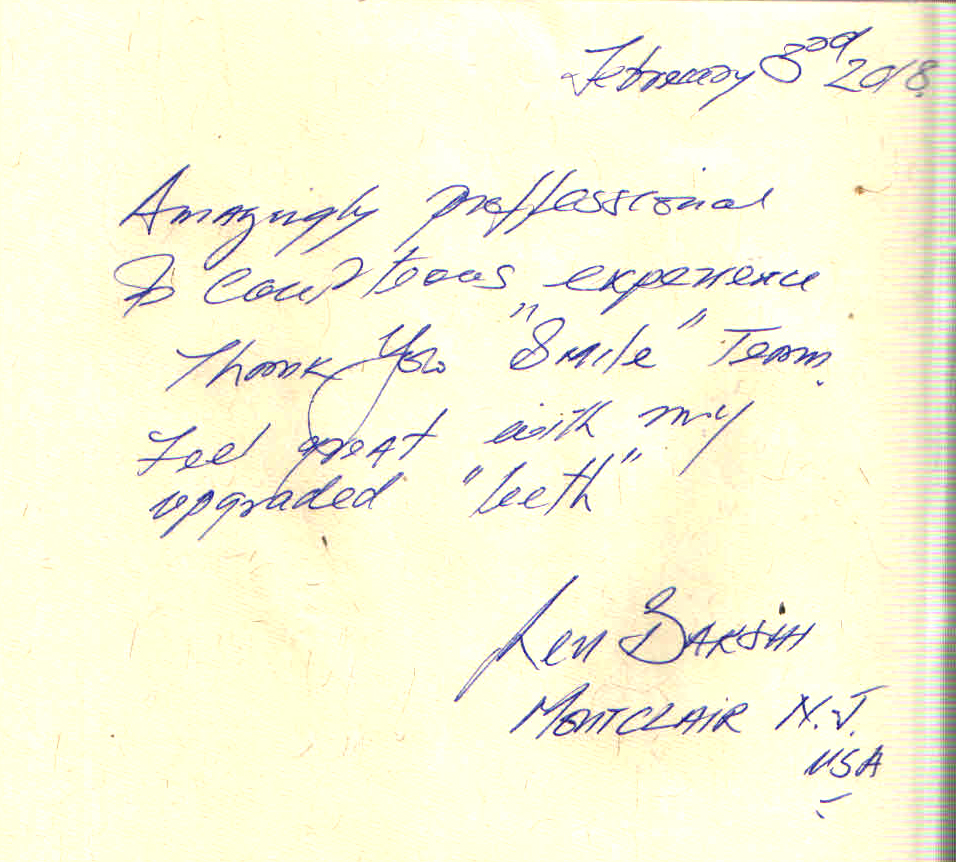
"Amazingly professional and courteous experience......"
Ken Bakshi
Location:- USA


"I had my teeth whitened amazing results!"
Paula Davey
Location:- Australia


"I would like to have sometimes so good dentist in Europe like Dr Suprriya..."
DANNY
Location:- Austria

"I would highly recommend Suprriya to anyone seeking good oral health care..."
ALLISON WEST
Location:- Australia


"Dr Suprriya, I just want to thank you for the very well done..."
MARIO
Location:- Columbia (Diplomat in India)