


What Foods Affect Teeth Whitening Results Most?
A bright smile can boost confidence and enhance appearance. Teeth whitening is a popular treatment for reducing stains and creating a whiter smile. However, keeping teeth bright depends on daily habits as well as the treatment itself.
Certain foods and drinks contain strong pigments that can stain enamel, while acidic items may make teeth more vulnerable to discolouration.
Many people who choose teeth whitening in Delhi are surprised by how much their diet affects results. Understanding which foods and beverages contribute to staining can help maintain a brighter smile and extend the benefits of whitening treatment.
How Teeth Whitening Works
Understanding Tooth Stains
Teeth naturally become darker over time due to aging, lifestyle habits, and diet. Stains can form on the surface of teeth when coloured particles from foods and beverages attach to the enamel. These are known as external stains and are often caused by coffee, tea, wine, and certain foods.
There are also deeper stains that develop inside the tooth structure. These stains may occur because of medications, trauma, or natural aging. Professional treatments for teeth whitening in Delhi work by breaking down stain molecules, helping teeth appear lighter and brighter.
Although whitening treatments can remove many stains, teeth remain exposed to the same factors that caused the discoloration in the first place. This is why maintaining good habits after treatment is important.
Why Food Matters After Whitening
After a whitening procedure, teeth can temporarily become more porous. During this period, dark-coloured foods and drinks can penetrate the enamel more easily. Even after the initial recovery phase, repeated exposure to staining substances can gradually reduce whitening results.
The choices you make during meals and snacks can influence how long your brighter smile lasts. Paying attention to your diet can help protect the investment you have made in your dental care.
Foods That Affect Teeth Whitening Results the Most
Coffee and Tea
Coffee and tea are among the most common causes of tooth staining. Both beverages contain tannins, which are natural compounds that allow pigments to stick to enamel. Over time, this can create yellow or brown stains that become difficult to remove through regular brushing.
Many people drink coffee or tea several times a day, which increases the chances of staining. Black tea often contains even more staining compounds than coffee. If you regularly consume these drinks, rinsing your mouth with water afterward may help reduce their effect on tooth colour.
Red Wine
Red wine is known for its deep colour and strong staining ability. It contains pigments, tannins, and acids that can contribute to discoloration. The acid softens the enamel slightly, while the pigments can settle into the tooth surface more easily.
People who frequently drink red wine may notice that their whitening results fade sooner than expected. Limiting consumption or drinking water alongside wine may help reduce staining.
Dark-Coloured Sauces
Many popular sauces contain concentrated colouring agents that can affect the appearance of teeth. Soy sauce, tomato sauce, balsamic vinegar, and barbecue sauce are common examples.
These sauces often cling to the surfaces of teeth during meals. When consumed regularly, they can gradually contribute to discoloration. While it is not necessary to completely avoid these foods, moderation can help preserve whitening results.
Berries and Deeply Coloured Fruits
Berries are packed with vitamins and antioxidants, making them a healthy choice for many people. However, their rich colours can also stain teeth. Blueberries, blackberries, cherries, and pomegranates contain pigments that may attach to enamel.
The darker the fruit, the more likely it is to leave temporary staining behind. Drinking water after eating berries can help wash away some of these pigments before they settle on the teeth.
Soft Drinks and Sports Drinks
Soft drinks contain a combination of colouring agents, acids, and sugar. This combination makes them particularly harmful to whitening results. Dark-coloured soft drinks can leave visible stains, while the acids weaken enamel and increase the risk of future discoloration.
Sports drinks may seem like a healthier option, but many are highly acidic. Frequent consumption can wear down enamel and make teeth more vulnerable to staining from other foods and beverages.
Curry and Strongly Coloured Spices
Many curries contain spices such as turmeric, paprika, and saffron, which have strong natural pigments. These spices can leave colour behind on many surfaces, including teeth.
People who regularly eat heavily spiced foods may experience gradual staining over time. While these foods are often nutritious and flavourful, being mindful of their effect on tooth colour can help maintain whitening results.
Drinks That Can Stain Teeth Faster
Acidic Beverages
Acidic drinks can increase the risk of staining even when they are not dark in colour. Lemon water, fruit juices, carbonated beverages, and energy drinks can slowly weaken enamel.
As enamel becomes thinner, the darker layer underneath the tooth becomes more visible. This can make teeth appear less white even if no direct staining has occurred. Limiting acidic drinks and rinsing with water afterward can help protect enamel.
Sugary Drinks
Sugary beverages contribute to plaque buildup and bacterial growth. These bacteria produce acids that weaken enamel and create an environment where stains can develop more easily.
Drinking sugary beverages throughout the day exposes teeth to repeated acid attacks. Choosing water more often can help reduce this risk.
Foods That May Help Maintain a Brighter Smile
Crunchy Fruits and Vegetables
Certain fruits and vegetables have a natural cleaning effect on teeth. Apples, carrots, celery, and cucumbers require more chewing, which helps stimulate saliva production.
Saliva acts as the mouth’s natural defence system by washing away food particles and reducing acid levels. These foods can also help remove some surface debris from teeth, supporting a cleaner appearance.
Dairy Products
Milk, cheese, and yogurt provide calcium and phosphorus, which help maintain strong teeth. Cheese is especially beneficial because it encourages saliva production and may help neutralise acids in the mouth.
A healthy enamel surface is less likely to absorb stains. Including dairy products in a balanced diet can support long-term oral health and help maintain whitening results.
Water and Hydration
Water is one of the best choices for protecting a bright smile. It helps rinse away food particles, sugars, and pigments before they have a chance to stain teeth.
Staying hydrated also supports healthy saliva production. Making water your primary beverage can have a positive impact on both oral health and overall well-being.

The First 24 Hours After Teeth Whitening
Foods to Avoid
The first two days after whitening are especially important. During this time, teeth are more likely to absorb colours from foods and beverages. Dentists in Delhi often recommend avoiding coffee, tea, red wine, berries, curry, dark soft drinks, and heavily coloured sauces.
These foods can interfere with whitening results and may lead to early staining. Being cautious during this period can help maximise the benefits of treatment.
Safer Food Choices
Lighter-coloured foods are generally recommended after whitening. Plain chicken, white fish, rice, pasta without dark sauces, potatoes, bananas, and cauliflower are often considered safer options.
These foods are less likely to transfer pigments onto the enamel. Following these guidelines for the first 48 hours can support longer-lasting whitening results.
Long-Term Habits for Maintaining Whitening Results
Daily Oral Care
Good oral hygiene remains one of the most effective ways to maintain a bright smile. Brushing twice daily and flossing regularly help remove plaque and surface stains before they become more noticeable.
Using products recommended by your dentist can also support whitening results and improve overall oral health.
Regular Dental Visits
Routine dental check-ups and professional cleanings play an important role in keeping teeth healthy and bright. Professional cleanings remove plaque and surface stains that regular brushing may miss.
Many patients in Delhi find that regular dental visits help them maintain their whitening results for longer periods. Your dentist can also recommend touch-up treatments if needed.
Smart Eating Habits
Maintaining whitening results does not mean giving up your favourite foods forever. Instead, it involves making smart choices and practicing moderation. Drinking water after consuming staining foods, rinsing your mouth after meals, and limiting frequent exposure to highly pigmented foods can all make a difference.
For patients considering Teeth Whitening in Delhi, understanding these habits before treatment can help set realistic expectations and improve satisfaction with the outcome.
Conclusion
The foods and drinks you choose each day can affect how bright your smile stays. Coffee, tea, red wine, dark sauces, berries, and soft drinks are common causes of tooth stains.
Acidic and sugary beverages may also weaken enamel, making discoloration more likely. On the other hand, water, dairy products, and crunchy fruits and vegetables can help support a cleaner smile.
Following good oral hygiene habits, attending regular dental check-ups, and making mindful dietary choices can help maintain whitening results. Smile Delhi – The Dental Clinic can provide personalised advice for long-term stain prevention.
Sources:
- https://pmc.ncbi.nlm.nih.gov/articles/PMC4058574/
- https://www.healthdirect.gov.au/teeth-whitening
- https://pmc.ncbi.nlm.nih.gov/articles/PMC6784469/
- https://www.betterhealth.vic.gov.au/health/conditionsandtreatments/cosmetic-dentistry-and-teeth-whitening

Dr. Suprriya B. Bhatia is a highly experienced dental professional with over 25 years of clinical expertise. A leading dentist in South Delhi, she is the founder of Smile Delhi – The Dental Clinic and specialises in cosmetic dentistry, dental implants, and smile makeovers. Dr. Suprriya B. Bhatia is known for her compassionate, patient-centred approach and commitment to creating healthy, confident smiles for patients from India and abroad.


"Extremely good service and care..."
Tim Gound
Location:- U. K.


"The standard of the clinic is like a first country’s clinic..."
PEDRO MORAES
Location:- Brazil


"Me and my family were very reluctant to undergo my dental treatment in India, but..."
RICHARD SALDANHA
Location:- Peru, South America


"The hygiene is good, the care up to European standards if not better. Strong on explaining..."
THOMAS BAINS
Location:- European Commission
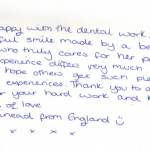
"A new beautiful smile made by a beautiful lady who truly cares for her patients..."
Sinead
Location:- England
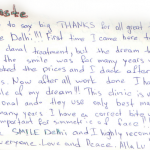

"I have the smile of my dream….This clinic is very professional and they use only best materials..."
Alla Lu
Location:- Russia


"Thank you so much for making my dream come true to have a perfect smile..."
Jacyln Gopinathan
Location:- Mindro Philippines


"I felt very comfortable through my treatment and i had 100% trust in you..."
Arnar Gislason
Location:- Iceland


"Thank you for giving me a smile that i’ve dreamed of for years..."
Yuto Harrison
Location:- Canada
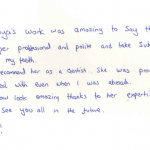

"Dr. Suprriya’s work was amazing…. She is super professional and polite..."
Todd
Location:- Australia
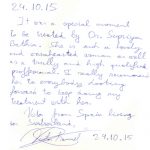

"Dr. Suprriya is such a lovely and warm hearted woman as well as a truly and high qualified professional..."
Victor Vique
Location:- Switzerland


"After travelling all through India and visiting 7 different clinics, this..."
JEFF MC CLEAN
Location:- New Zealand

"From the moment i got here i knew i had made the right decision."


"Thank you so much, Dr. Suprriya! I am so grateful for you and your practice."

"Very attentive and grateful for the results. I will keep in Touch"

"You saved my teeth. Lovely clinic and very professional staff..."


"My teeth are 7-8 shades whiter, thanks to you and your team..."

"Thank you very much dr. suprriya for wonderful treatment for implants and bridge and giving me my smile back."


"Felt in good hands during the whole treatment..."

"Visited many dentist around the world and smile delhi definitely gives you a great smile..."
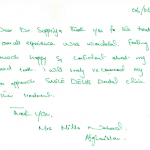

"Over all experience was wonderful…"
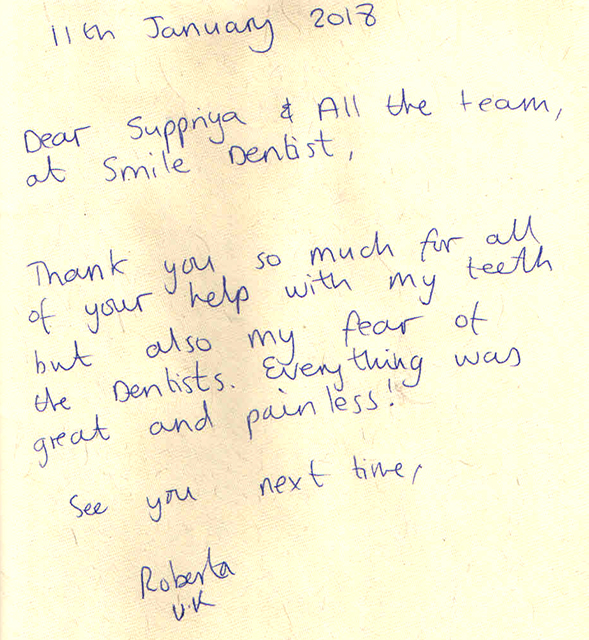
"Every thing was great and pain less !....."
Roberta
Location:- UK

"Dr. Suprriya is such a lovely and warm hearted woman as well as a..."
Victor
Location:- Switzerland
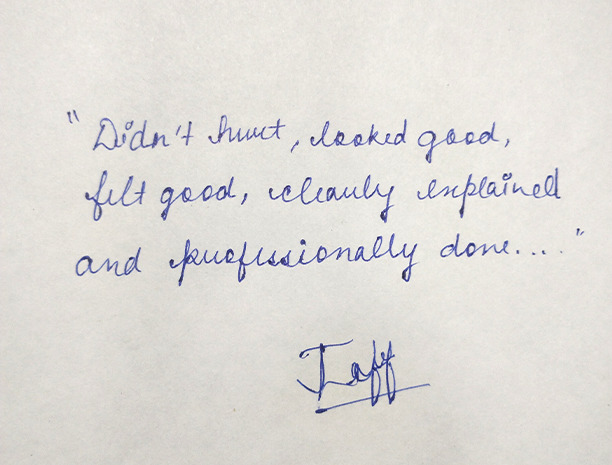

"Didn’t hurt, looked good, felt good, clearly explained and professionally done..."
Jeff
Location:- New zealand

"Dr. Supria is a unic dentice and an exellent person..”, “…honest and direct.."
Yaron Mayer
Location:- Israel Embassy

"Dr. Suprriya is very gentle and excellent human being. A perfect Dentist I...."
Uarely
Location:- Finland


"You treated me gentle as a child!..."
Andreas
Location:- Norway


"You are probably one of the best dentist I have ever been to in the last 50 years..."
Usama
Location:- Saudi Arabia


"I have the Hollywood teeth I always wanted…"
Belle
Location:- Canada
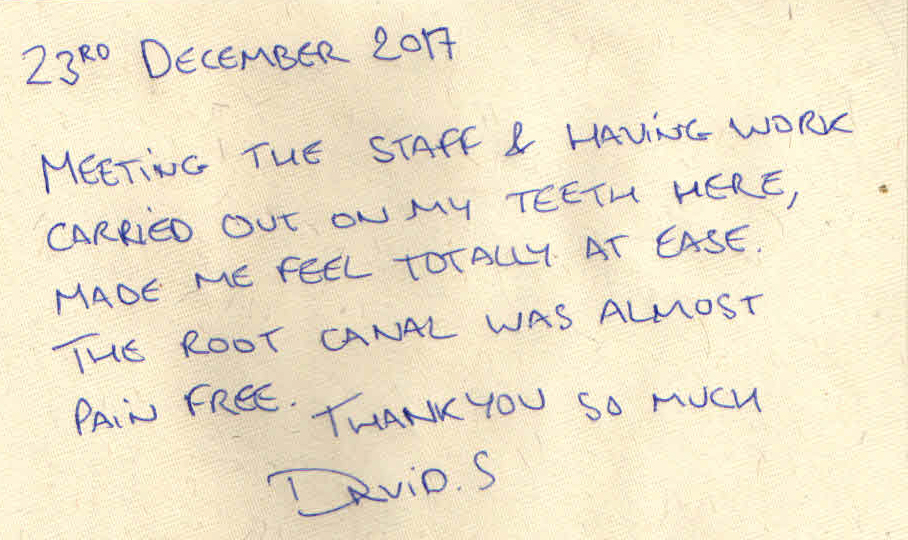
"The root canal was almost pain free....."
David Seeley
Location:- UK
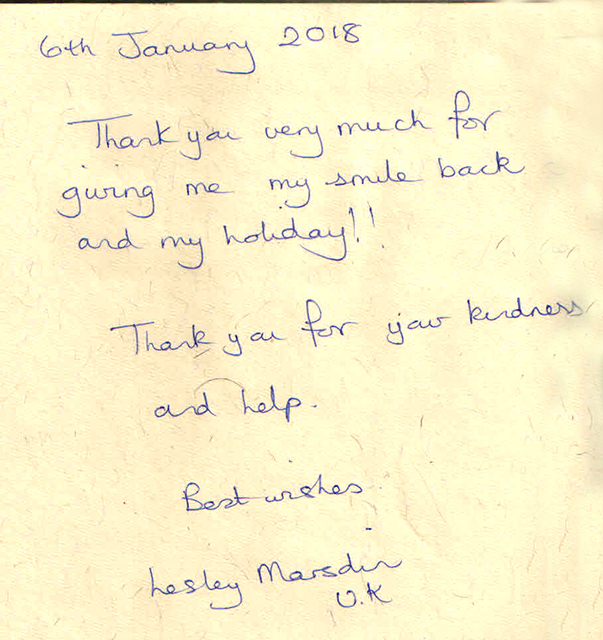
"Thank You very much for giving me my smile back and my holiday!....."
Lesley Marsdin
Location:- UK
"I even laughed when they screwed the posts in ! very professional even enjoyed it a bit"
Laurewce Moon
Location:- UK

"It has been very professional. Very clean, very good......"
Mr. & Mrs. Piper
Location:-Winchester, England

"My emergency treatment was incredible kind and 1st class....."
Kevin Kahan
Location:- Ireland
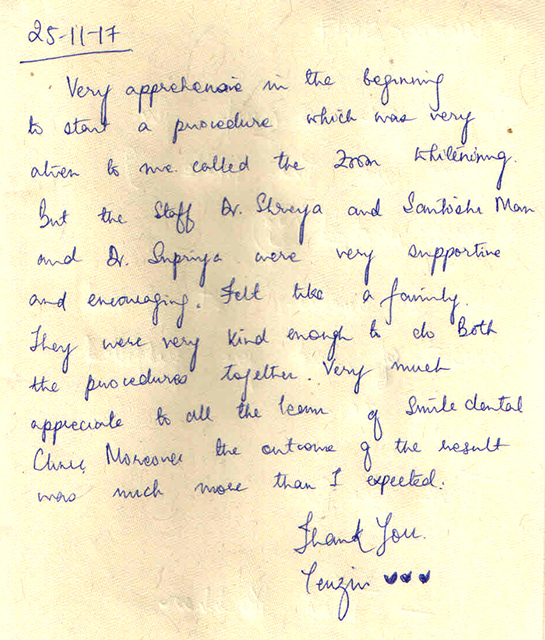

"The result was much more than I expected in zoom whitening....."
Tenzin
Location:- Bhutan
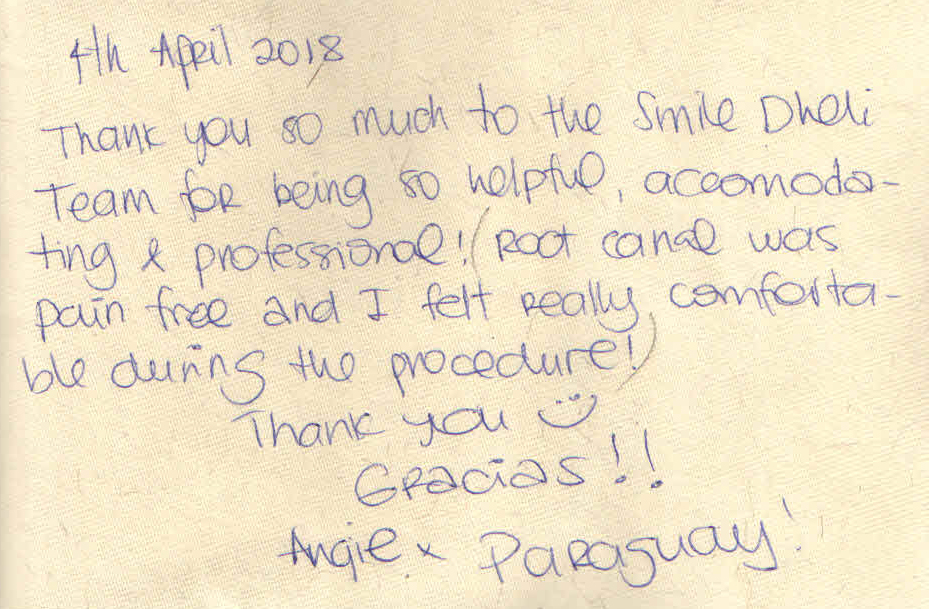

"Root canal was pain free and i felt really comfortable during the procedure....."
Angie
Location:- Paraguay
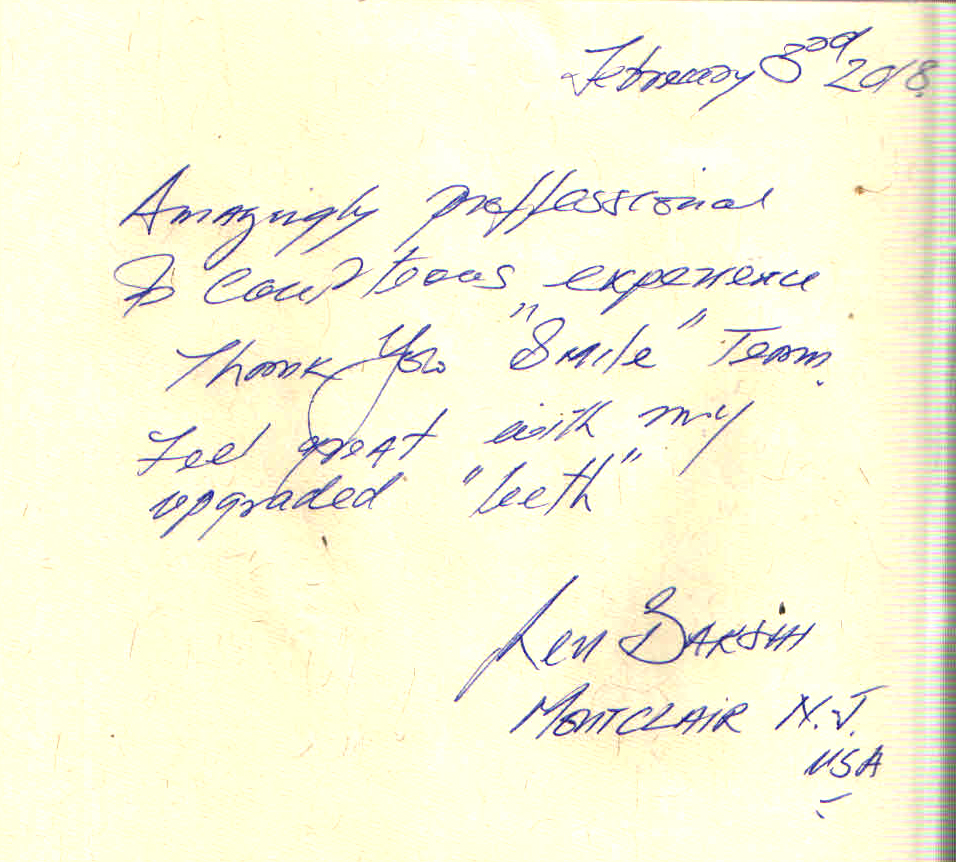
"Amazingly professional and courteous experience......"
Ken Bakshi
Location:- USA


"I had my teeth whitened amazing results!"
Paula Davey
Location:- Australia


"I would like to have sometimes so good dentist in Europe like Dr Suprriya..."
DANNY
Location:- Austria

"I would highly recommend Suprriya to anyone seeking good oral health care..."
ALLISON WEST
Location:- Australia


"Dr Suprriya, I just want to thank you for the very well done..."
MARIO
Location:- Columbia (Diplomat in India)