


How Does Pediatric Dentistry Prevent Cavities?
Cavities are one of the most common dental problems in children and can affect eating, speaking, and overall comfort. Many children develop cavities because of sugary foods, poor brushing habits, and missed dental care.
Bacteria in the mouth feed on sugar and produce acids that slowly damage tooth enamel. If left untreated, cavities may cause pain, infections, and difficulty concentrating at school.
Healthy baby teeth are important because they guide proper jaw growth and support permanent teeth. Parents now focus more on preventive dental care to protect their child’s smile early. Many families choose pediatric dentistry in Delhi for long-term oral health support.
What Is Pediatric Dentistry?
Pediatric dentistry focuses on dental care for babies, children, and teenagers. Pediatric dentists understand the growth and development of young teeth and gums while creating a calm and friendly environment for children.
Families searching for pediatric dentistry in Delhi often look for clinics that provide gentle care and positive dental experiences for kids. Children may feel nervous during dental visits, so pediatric dentists use simple communication to help them stay comfortable.
They also guide parents and children about brushing, flossing, healthy eating habits, and cavity prevention to support strong oral health from an early age.
Why Are Cavities Common in Children?
Sugary Foods and Drinks
One major reason children develop cavities is frequent sugar consumption. Chocolates, biscuits, candies, cakes, flavoured milk, and soft drinks all contain sugars that feed harmful bacteria inside the mouth. These bacteria produce acids that weaken tooth enamel and create cavities over time.
Sticky foods are especially harmful because they remain on teeth longer. Frequent snacking during the day can also increase cavity risk because teeth are exposed to sugar more often.
Poor Brushing Habits
Many children rush through brushing or skip it completely before bedtime. When food particles remain on the teeth, bacteria multiply quickly. Younger children may also struggle to clean hard-to-reach areas properly.
Parents should supervise brushing until children can brush effectively on their own. Using fluoride toothpaste and brushing twice daily can greatly reduce the chances of tooth decay.
Lack of Dental Check-Ups
Some parents wait until their child complains about pain before visiting a dentist. Unfortunately, cavities can become larger and more painful by that stage. Early dental visits allow dentists to detect small problems before they become serious.
Regular check-ups also help children become comfortable with dental care, making future visits easier and less stressful.
How Early Dental Visits Prevent Cavities
Detecting Problems Early
Regular dental examinations help dentists identify plaque buildup, weak enamel, and small cavities before they worsen. Treating early decay is usually faster, simpler, and less uncomfortable for children.
Early detection also prevents infections from spreading deeper into the tooth.
Teaching Good Oral Habits
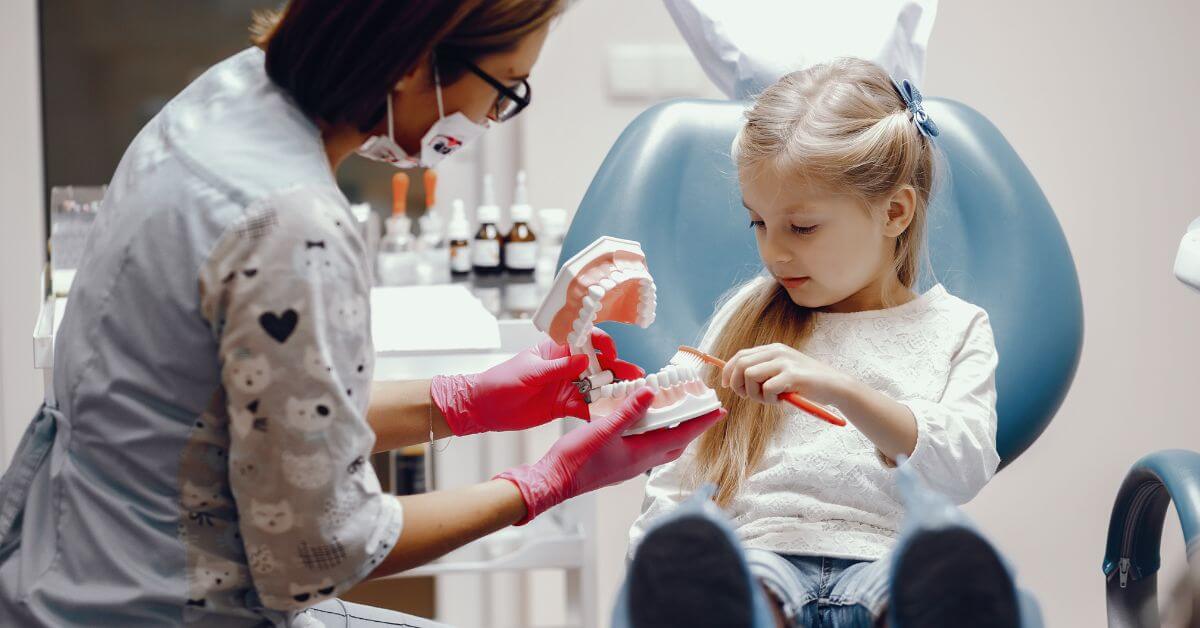
Pediatric dentists teach children proper brushing and flossing techniques using simple instructions and demonstrations. Children often learn better when dental care is explained in a fun and friendly way.
Parents also receive guidance about choosing the right toothbrush, using the correct amount of toothpaste, and creating healthy routines at home.
Monitoring Tooth Growth
Children’s teeth and jaws change quickly during growth. Dentists monitor spacing, bite patterns, and tooth eruption during regular visits. Healthy alignment can make teeth easier to clean and lower the risk of cavities.
Preventive Treatments Used in Pediatric Dentistry
Fluoride Treatments
Fluoride is a mineral that helps strengthen tooth enamel and protect teeth from acid attacks. Pediatric dentists may apply fluoride varnish during routine appointments to reduce cavity risk.
This treatment is quick, painless, and highly effective for children who are more likely to develop decay. Studies show that fluoride treatments combined with regular brushing can significantly lower cavity rates in children.
Dental Sealants
Sealants are thin protective coatings applied to the chewing surfaces of back teeth. Molars often have deep grooves where food and bacteria collect easily.
Sealants cover these grooves and help prevent cavities from forming in difficult-to-clean areas. The procedure is simple and usually completed within one visit.
Professional Teeth Cleaning
Even children who brush regularly can develop plaque and tartar buildup. Professional cleaning removes these deposits from areas that are hard to clean at home.
Cleanings also help children understand the importance of keeping their teeth healthy and fresh.
Routine Dental Examinations
Regular examinations allow dentists to track oral health changes over time. Consistent visits help build trust between the child and the dentist in Delhi, making future dental care more comfortable.
The Role of Daily Brushing Habits
Brushing twice daily is one of the best ways to prevent cavities in children. Morning brushing removes bacteria that build up overnight, while bedtime brushing removes food particles collected during the day.
Children should use a soft toothbrush and fluoride toothpaste. Gentle circular motions work best for cleaning teeth properly without damaging gums.
Parents should also replace toothbrushes every three months or sooner if the bristles become worn out. A damaged toothbrush may not clean teeth properly.
Some children find brushing boring, so parents can make it more enjoyable by using songs, reward charts, or colourful toothbrushes. Positive encouragement usually works better than forcing children to brush.
How Diet Affects Cavities
Diet plays a major role in oral health. Foods and drinks high in sugar increase the risk of tooth decay because bacteria feed on sugar and produce harmful acids.
Sticky sweets and sugary drinks are especially damaging because they stay on the teeth longer. Frequent snacking also gives bacteria more opportunities to attack enamel.
Healthy foods can help protect teeth. Milk, cheese, yoghurt, nuts, fruits, and vegetables support stronger teeth and gums. Crunchy fruits and vegetables may even help clean teeth naturally while chewing.
Water is also important because it washes away food particles and helps maintain saliva flow. Many dentists recommend replacing sugary drinks with water whenever possible.
Parents in Delhi are becoming more aware of how diet affects children’s dental health. Reducing sugary snacks at home can greatly lower cavity risk over time.
Why Baby Teeth Are Important
Some people believe baby teeth are unimportant because they eventually fall out. However, baby teeth help children chew food properly, speak clearly, and guide permanent teeth into the correct position.
Untreated cavities in baby teeth can cause pain, swelling, infections, and difficulty eating. Early tooth loss may also affect the spacing of future adult teeth.
Healthy baby teeth also help children feel confident while talking and smiling. Protecting these teeth is an important part of childhood oral health.
Common Signs of Cavities in Children
Parents should watch for early signs of tooth decay. Detecting cavities early can prevent more serious problems later.
Children may complain about sensitivity when eating hot, cold, or sweet foods. White or brown spots on teeth may also indicate early enamel damage.
Bad breath that does not improve with brushing can sometimes be linked to decay or bacteria buildup. Pain while chewing is another common warning sign that should not be ignored.
If parents notice any of these symptoms, scheduling a dental visit quickly can help prevent the problem from worsening.
How Parents Can Help Prevent Cavities at Home
Parents play a major role in protecting their children’s teeth. Creating a daily brushing and flossing routine helps children develop healthy habits early.
Children often copy what adults do, so parents who brush regularly encourage children to do the same. Family brushing time can make oral care feel normal and enjoyable.
Limiting sugary snacks and encouraging healthy foods can also lower cavity risk. Instead of offering sweets frequently, parents can choose fruits, yoghurt, or cheese as snacks.
Routine dental visits are equally important. Preventive appointments are usually easier and less stressful than emergency dental treatments. Many families choosing pediatric dentistry in Delhi prefer regular check-ups because they help prevent pain and long-term dental problems.
Building Positive Dental Experiences for Children
A child’s early dental experiences often shape how they feel about dental care later in life. Fear or anxiety during childhood may lead to avoiding dental visits as adults.
Pediatric dentistry focuses on creating a welcoming and comfortable atmosphere for children. Friendly communication, calm behaviour, and gentle treatment methods help children feel safe during appointments.
Some clinics also use toys, rewards, or colourful spaces to create a positive experience. When children feel comfortable, they are more likely to cooperate during treatment and continue healthy oral habits in the future.
Conclusion
Preventing cavities in children requires a combination of healthy habits, regular dental visits, and proper guidance from an early age. Brushing twice daily, limiting sugary foods, drinking more water, and attending routine check-ups can help protect growing teeth from decay.
Preventive treatments such as fluoride applications, sealants, and professional cleanings also play a major role in maintaining healthy smiles. Early dental care helps children avoid pain, develop confidence, and build habits that support lifelong oral health.
Parents looking for caring and child-friendly dental support can visit Smile Delhi – The Dental Clinic for guidance on maintaining healthy teeth and preventing cavities in children.
Source Urls:
- https://www.aapd.org/publications/journals/pediatric-dentistry-journal/
- https://maids.delhi.gov.in/who-s-who/pediatric-dentistry
- https://pmc.ncbi.nlm.nih.gov/articles/PMC3470809/
- https://pmc.ncbi.nlm.nih.gov/articles/PMC11941194/

Dr. Suprriya B. Bhatia is a highly experienced dental professional with over 25 years of clinical expertise. A leading dentist in South Delhi, she is the founder of Smile Delhi – The Dental Clinic and specialises in cosmetic dentistry, dental implants, and smile makeovers. Dr. Suprriya B. Bhatia is known for her compassionate, patient-centred approach and commitment to creating healthy, confident smiles for patients from India and abroad.


"Extremely good service and care..."
Tim Gound
Location:- U. K.


"The standard of the clinic is like a first country’s clinic..."
PEDRO MORAES
Location:- Brazil


"Me and my family were very reluctant to undergo my dental treatment in India, but..."
RICHARD SALDANHA
Location:- Peru, South America


"The hygiene is good, the care up to European standards if not better. Strong on explaining..."
THOMAS BAINS
Location:- European Commission
"A new beautiful smile made by a beautiful lady who truly cares for her patients..."
Sinead
Location:- England

"I have the smile of my dream….This clinic is very professional and they use only best materials..."
Alla Lu
Location:- Russia


"Thank you so much for making my dream come true to have a perfect smile..."
Jacyln Gopinathan
Location:- Mindro Philippines


"I felt very comfortable through my treatment and i had 100% trust in you..."
Arnar Gislason
Location:- Iceland

"Thank you for giving me a smile that i’ve dreamed of for years..."
Yuto Harrison
Location:- Canada
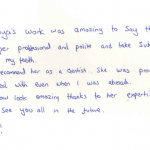

"Dr. Suprriya’s work was amazing…. She is super professional and polite..."
Todd
Location:- Australia
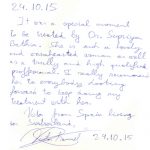

"Dr. Suprriya is such a lovely and warm hearted woman as well as a truly and high qualified professional..."
Victor Vique
Location:- Switzerland


"After travelling all through India and visiting 7 different clinics, this..."
JEFF MC CLEAN
Location:- New Zealand

"From the moment i got here i knew i had made the right decision."


"Thank you so much, Dr. Suprriya! I am so grateful for you and your practice."

"Very attentive and grateful for the results. I will keep in Touch"

"You saved my teeth. Lovely clinic and very professional staff..."


"My teeth are 7-8 shades whiter, thanks to you and your team..."

"Thank you very much dr. suprriya for wonderful treatment for implants and bridge and giving me my smile back."


"Felt in good hands during the whole treatment..."
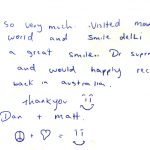
"Visited many dentist around the world and smile delhi definitely gives you a great smile..."
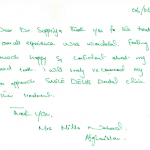

"Over all experience was wonderful…"
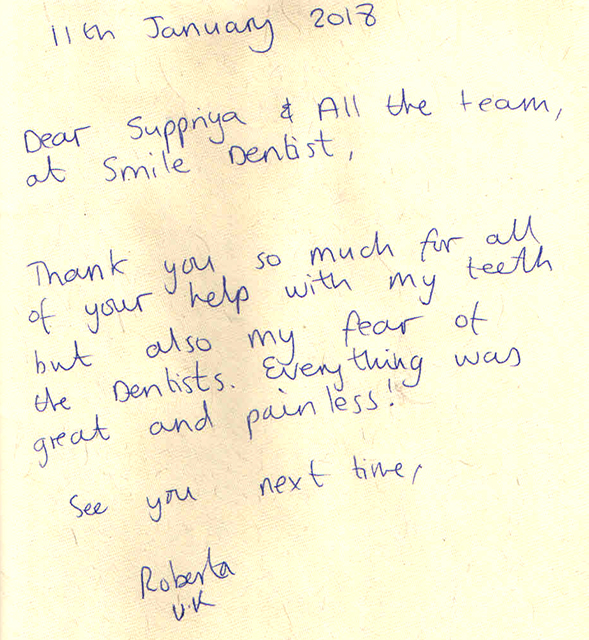
"Every thing was great and pain less !....."
Roberta
Location:- UK

"Dr. Suprriya is such a lovely and warm hearted woman as well as a..."
Victor
Location:- Switzerland
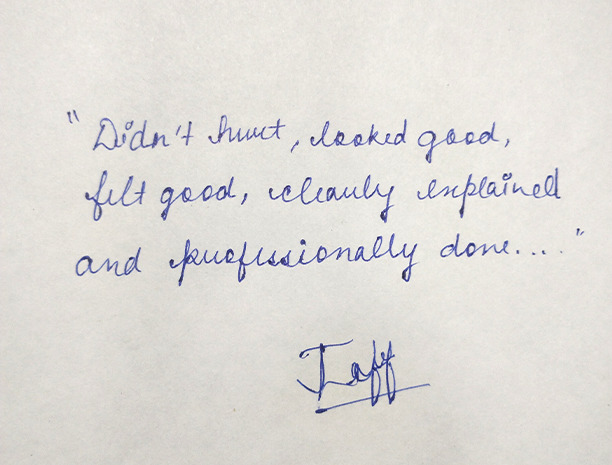

"Didn’t hurt, looked good, felt good, clearly explained and professionally done..."
Jeff
Location:- New zealand

"Dr. Supria is a unic dentice and an exellent person..”, “…honest and direct.."
Yaron Mayer
Location:- Israel Embassy

"Dr. Suprriya is very gentle and excellent human being. A perfect Dentist I...."
Uarely
Location:- Finland


"You treated me gentle as a child!..."
Andreas
Location:- Norway


"You are probably one of the best dentist I have ever been to in the last 50 years..."
Usama
Location:- Saudi Arabia
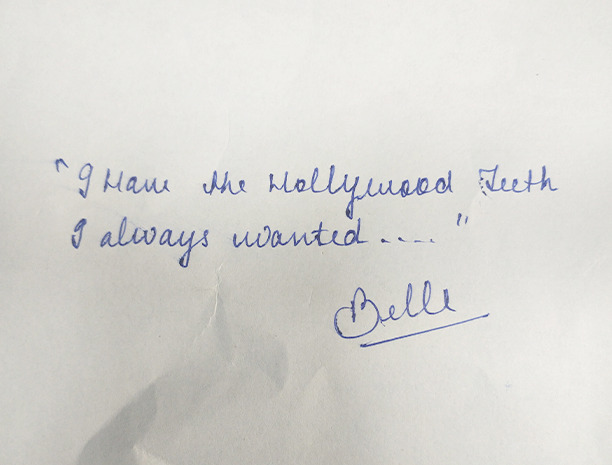

"I have the Hollywood teeth I always wanted…"
Belle
Location:- Canada
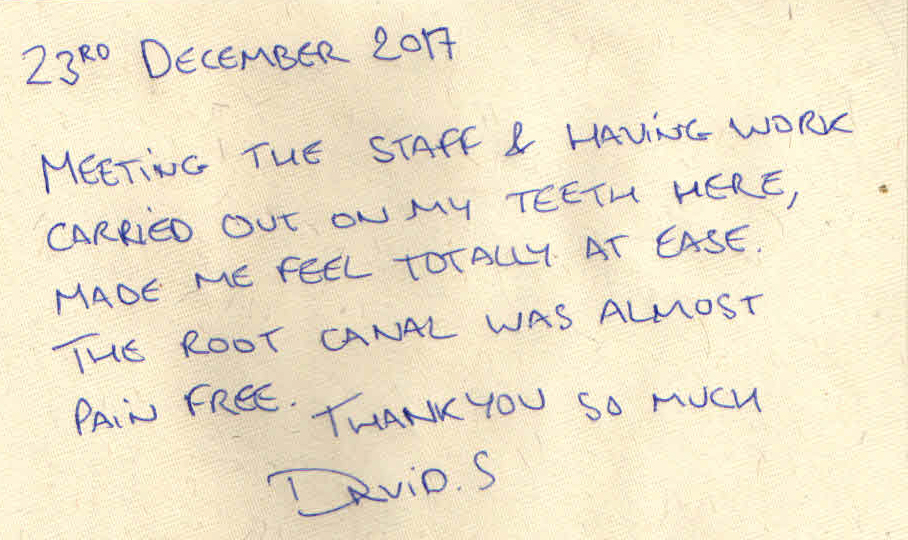
"The root canal was almost pain free....."
David Seeley
Location:- UK
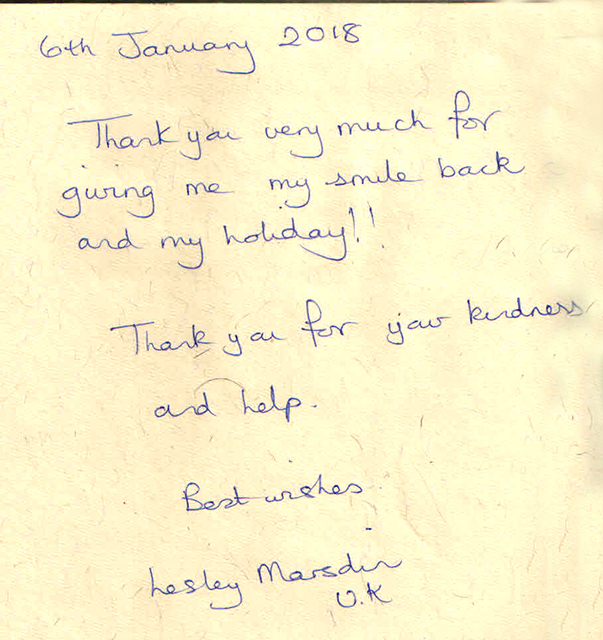
"Thank You very much for giving me my smile back and my holiday!....."
Lesley Marsdin
Location:- UK
"I even laughed when they screwed the posts in ! very professional even enjoyed it a bit"
Laurewce Moon
Location:- UK
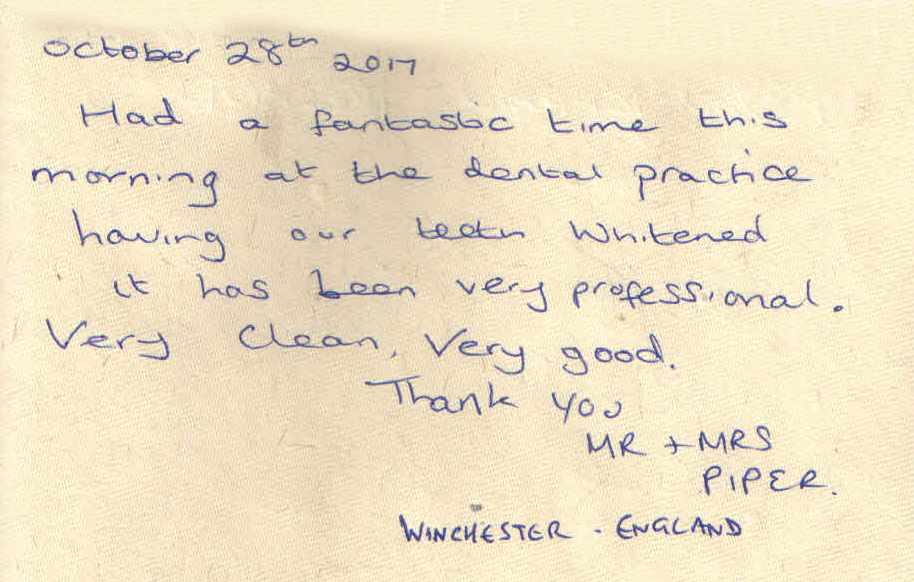
"It has been very professional. Very clean, very good......"
Mr. & Mrs. Piper
Location:-Winchester, England

"My emergency treatment was incredible kind and 1st class....."
Kevin Kahan
Location:- Ireland
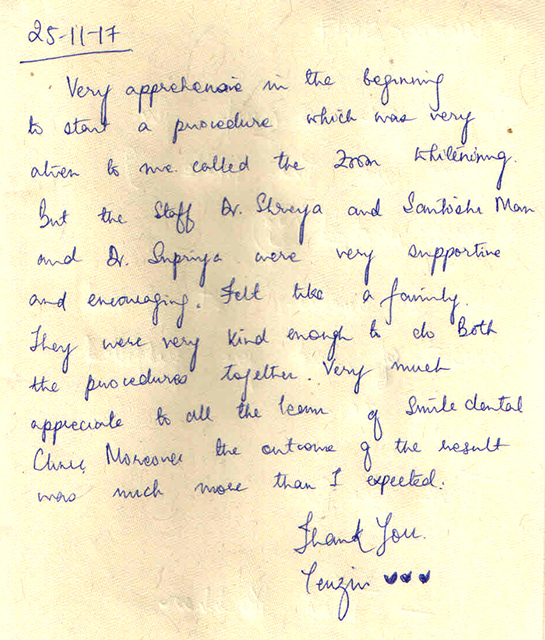

"The result was much more than I expected in zoom whitening....."
Tenzin
Location:- Bhutan
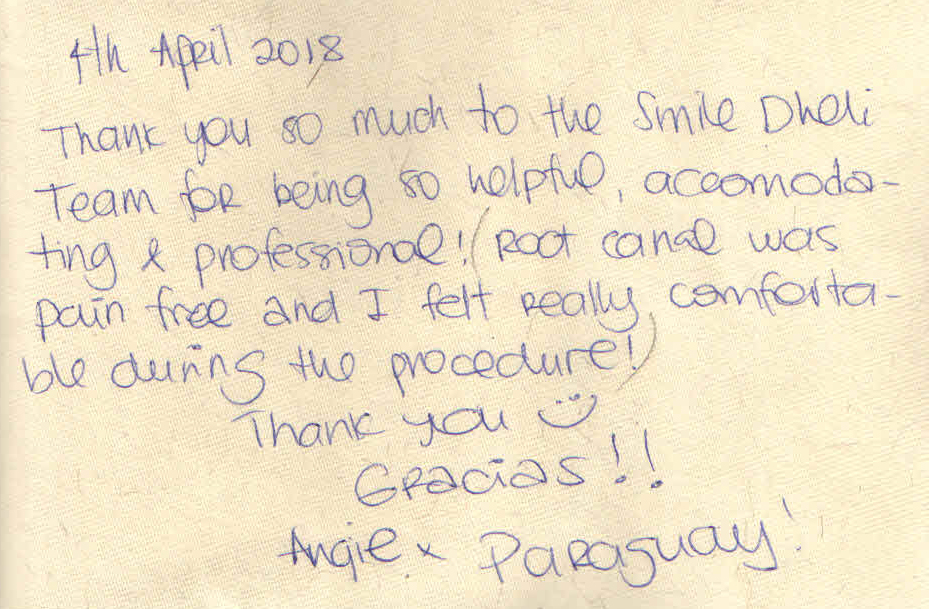

"Root canal was pain free and i felt really comfortable during the procedure....."
Angie
Location:- Paraguay
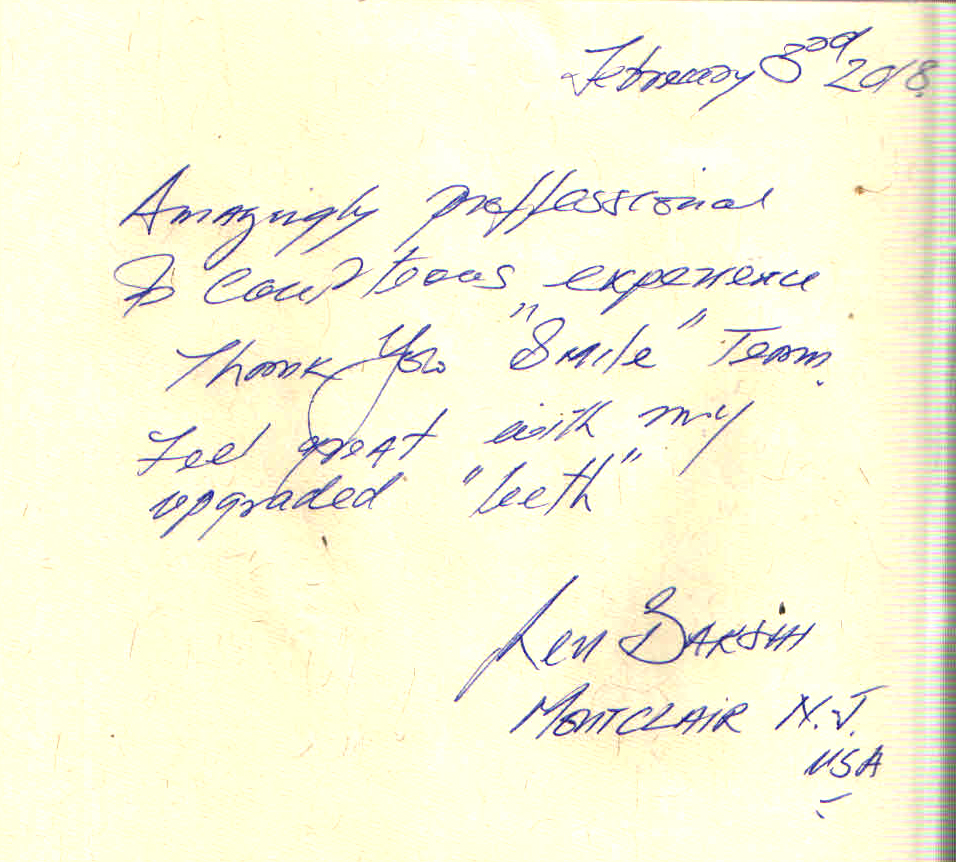
"Amazingly professional and courteous experience......"
Ken Bakshi
Location:- USA


"I had my teeth whitened amazing results!"
Paula Davey
Location:- Australia


"I would like to have sometimes so good dentist in Europe like Dr Suprriya..."
DANNY
Location:- Austria

"I would highly recommend Suprriya to anyone seeking good oral health care..."
ALLISON WEST
Location:- Australia


"Dr Suprriya, I just want to thank you for the very well done..."
MARIO
Location:- Columbia (Diplomat in India)