

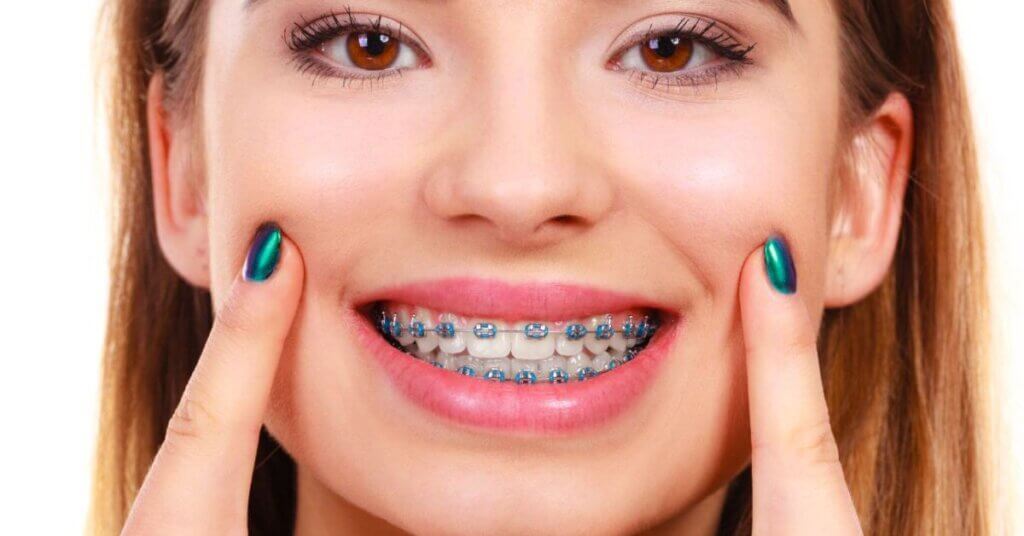
How Do Orthodontists Adjust Braces During Treatment?
Orthodontic treatment moves teeth gradually into healthier positions using gentle, controlled pressure. Teeth do not shift instantly; instead, they slowly adjust as braces guide them over time. Regular adjustment appointments are an important part of this process.
During these visits, orthodontists check progress and make small changes to wires or elastics to continue guiding tooth movement. These adjustments help improve both bite function and smile alignment.
Understanding how braces are adjusted can make patients feel more confident about their treatment. In cities like Delhi, many people choose orthodontic care to achieve healthier and more balanced smiles.
Why Regular Orthodontic Adjustments Are Necessary
Orthodontic treatment works by applying gentle pressure to the teeth. This pressure slowly guides them into better alignment. The body responds to this pressure by allowing the surrounding bone and tissues to adapt as the teeth move with treatments like braces in Delhi.
Because teeth move gradually, orthodontists must monitor the progress regularly. These visits help them confirm that the teeth are shifting in the correct direction. If adjustments were not made along the way, the movement might stop or go in the wrong direction.
Each appointment allows the orthodontist to review the progress of treatment and make small corrections that guide the teeth step by step. These small changes help create steady improvement over time.
How Teeth Respond to Gentle Pressure
Teeth are held in place by a structure of bone and soft tissue. When gentle pressure is applied, the bone surrounding the tooth slowly changes. One side of the bone begins to break down slightly while new bone forms on the opposite side.
This natural process allows the tooth to move safely within the jaw. Because this process takes time, orthodontic treatment usually continues for many months or sometimes a few years.
Orthodontists carefully control this movement so the teeth shift at a healthy pace. Moving teeth too quickly could cause problems for the surrounding tissues. Controlled adjustments help keep the treatment safe and effective.
Why Adjustments Are Scheduled Every Few Weeks
Most orthodontic patients visit their orthodontist every four to eight weeks. This time frame allows the teeth to respond to the previous adjustment before new changes are made.
During these visits, the orthodontist evaluates how the teeth and jaws are responding to treatment. They check alignment, observe bite improvements, and decide whether any changes to the appliance are needed.
Regular monitoring helps keep the treatment on track. By adjusting the appliance gradually, orthodontists guide the teeth into their final position in a controlled and safe way.
What Happens During a Braces Adjustment Appointment
Many patients feel curious about what happens during an orthodontic adjustment appointment. These visits are usually quick and straightforward, and they focus on evaluating progress and guiding the next stage of treatment.
Orthodontists follow a simple process during these visits. They first check the position of the teeth and then make adjustments to help continue the movement.
Checking the Progress of Tooth Movement
The first step in an adjustment appointment is examining the teeth and gums. The orthodontist checks how the teeth have moved since the previous visit.
They also review how the upper and lower teeth fit together, known as the bite, which is important for chewing, speaking, and comfort.
In some cases, digital scans or X-rays may be used to observe deeper changes in the teeth and surrounding bone.
Changing or Tightening Wires
The archwire is the thin metal wire that connects the brackets on the teeth and helps guide tooth movement.
During adjustment appointments, the orthodontist may tighten, bend, or replace the wire to apply gentle pressure that improves alignment.
The process usually takes only a few minutes. Some patients may feel mild pressure after the adjustment, but it typically fades quickly.
Replacing Elastics or Bands
Rubber bands, also called elastics, are often used to correct bite problems. These small bands connect different parts of the braces to apply pressure in specific directions.
During adjustment visits, the orthodontist may replace the elastics or change their position to guide the upper and lower teeth into a healthier bite.
Patients are usually asked to wear them consistently between appointments to help maintain treatment progress.
Tools and Techniques Orthodontists Use During Adjustments
Orthodontists use several tools and techniques to guide tooth movement during treatment. A dentist in Delhi may use different orthodontic appliances to improve tooth alignment and bite function. These tools work together to create gradual changes that lead to long-term results.
Archwire Adjustments
The archwire is an important part of orthodontic treatment because it connects the brackets on each tooth and guides their movement. In the early stages, thinner wires apply gentle pressure to begin straightening the teeth.
As treatment progresses, stronger wires are used to continue improving the alignment. Orthodontists carefully adjust the wire so each tooth moves along the planned path.

Elastic Bands and Their Role
Elastic bands play an important role in correcting bite alignment. They help guide the upper and lower teeth into positions that allow them to work together properly.
For example, elastics may be used to correct overbites, underbites, or crossbites. When worn as directed, they apply steady pressure that gradually improves jaw alignment.
Although they are small, elastic bands can make a significant difference in the overall success of orthodontic treatment.
Small Changes That Create Big Results Over Time
Orthodontic treatment is built on small adjustments that happen over time. Each appointment introduces minor changes that slowly guide the teeth closer to their final position.
Later stages of treatment may involve additional adjustments to the braces so that the teeth continue moving into their ideal alignment. These gradual steps help create a balanced smile and a healthier bite.
By controlling the speed and direction of movement, orthodontists help protect the teeth and surrounding bone while achieving long-lasting results.
What Patients May Feel After an Adjustment
After an orthodontic adjustment, patients may experience mild pressure or soreness around their teeth. This feeling is a normal response to the new forces placed on the teeth.
As the teeth begin to move again, the surrounding tissues adapt to the changes. Most patients notice that this sensation fades within a few days.
Temporary Pressure or Mild Discomfort
The most common sensation after an adjustment is a mild ache when biting or chewing. This occurs because the teeth are responding to the new pressure applied during the appointment.
The discomfort is usually temporary and decreases as the teeth adjust to their new position. Many patients find that the feeling becomes less noticeable as they become more familiar with the treatment process.
Tips for Managing Discomfort
There are several simple ways to stay comfortable after an adjustment appointment. Soft foods such as soup, yogurt, mashed vegetables, or pasta can make eating easier during the first day or two.
Warm saltwater rinses may help soothe the gums if they feel irritated. Maintaining good oral hygiene is also important during orthodontic treatment. Brushing and flossing carefully around brackets and wires helps keep the teeth and gums healthy.
How Adjustments Help Achieve Long-Term Results
Orthodontic adjustments play a major role in the success of treatment. These visits allow orthodontists to guide tooth movement step by step while monitoring how the teeth and jaws respond.
Gradual Tooth Alignment
Teeth must move slowly so the surrounding bone and tissues can adapt safely. Gradual movement helps prevent damage and allows the teeth to settle into their new positions properly.
Each adjustment builds on the progress made during previous visits. Over time, crooked teeth begin to straighten and spaces may close.
Patients often notice steady improvement as the months pass and the alignment becomes clearer.
Improving Bite Function and Oral Health
Straight teeth offer benefits that go beyond appearance. Proper alignment can make daily brushing and flossing easier, which helps reduce the risk of cavities and gum problems.
A balanced bite also allows the teeth to function more comfortably during chewing and speaking. When the teeth fit together correctly, there is less strain on the jaw and less uneven wear on the teeth.
Orthodontic treatment has become increasingly common in Delhi as more families understand the long-term oral health benefits of improving alignment and bite function.
Conclusion
Orthodontic adjustments are an important part of braces treatment. During each visit, the orthodontist carefully checks how the teeth are moving and makes small changes to the wires or elastics.
These adjustments help guide the teeth into better alignment and improve how the upper and lower jaws fit together. Some patients may feel mild pressure after an adjustment, but this feeling usually goes away within a few days.
With regular visits and proper care, treatment can lead to healthier teeth, a balanced bite, and a more confident smile. Patients can visit Smile Delhi – The Dental Clinic to learn more about orthodontic care.
Sources:
- https://www.nhs.uk/tests-and-treatments/orthodontics/
- https://www.who.int/news-room/fact-sheets/detail/oral-health
- https://www.cdc.gov/oral-health/about/?CDC_AAref_Val=https://www.cdc.gov/oralhealth/basics/index.html
- https://www.healthdirect.gov.au/dental-care

Dr. Suprriya B. Bhatia is a highly experienced dental professional with over 25 years of clinical expertise. A leading dentist in South Delhi, she is the founder of Smile Delhi – The Dental Clinic and specialises in cosmetic dentistry, dental implants, and smile makeovers. Dr. Suprriya B. Bhatia is known for her compassionate, patient-centred approach and commitment to creating healthy, confident smiles for patients from India and abroad.


"Extremely good service and care..."
Tim Gound
Location:- U. K.


"The standard of the clinic is like a first country’s clinic..."
PEDRO MORAES
Location:- Brazil


"Me and my family were very reluctant to undergo my dental treatment in India, but..."
RICHARD SALDANHA
Location:- Peru, South America


"The hygiene is good, the care up to European standards if not better. Strong on explaining..."
THOMAS BAINS
Location:- European Commission
"A new beautiful smile made by a beautiful lady who truly cares for her patients..."
Sinead
Location:- England

"I have the smile of my dream….This clinic is very professional and they use only best materials..."
Alla Lu
Location:- Russia


"Thank you so much for making my dream come true to have a perfect smile..."
Jacyln Gopinathan
Location:- Mindro Philippines


"I felt very comfortable through my treatment and i had 100% trust in you..."
Arnar Gislason
Location:- Iceland

"Thank you for giving me a smile that i’ve dreamed of for years..."
Yuto Harrison
Location:- Canada
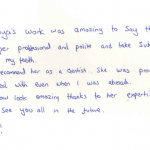

"Dr. Suprriya’s work was amazing…. She is super professional and polite..."
Todd
Location:- Australia


"Dr. Suprriya is such a lovely and warm hearted woman as well as a truly and high qualified professional..."
Victor Vique
Location:- Switzerland


"After travelling all through India and visiting 7 different clinics, this..."
JEFF MC CLEAN
Location:- New Zealand

"From the moment i got here i knew i had made the right decision."


"Thank you so much, Dr. Suprriya! I am so grateful for you and your practice."

"Very attentive and grateful for the results. I will keep in Touch"

"You saved my teeth. Lovely clinic and very professional staff..."


"My teeth are 7-8 shades whiter, thanks to you and your team..."

"Thank you very much dr. suprriya for wonderful treatment for implants and bridge and giving me my smile back."


"Felt in good hands during the whole treatment..."

"Visited many dentist around the world and smile delhi definitely gives you a great smile..."
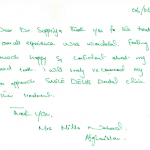

"Over all experience was wonderful…"
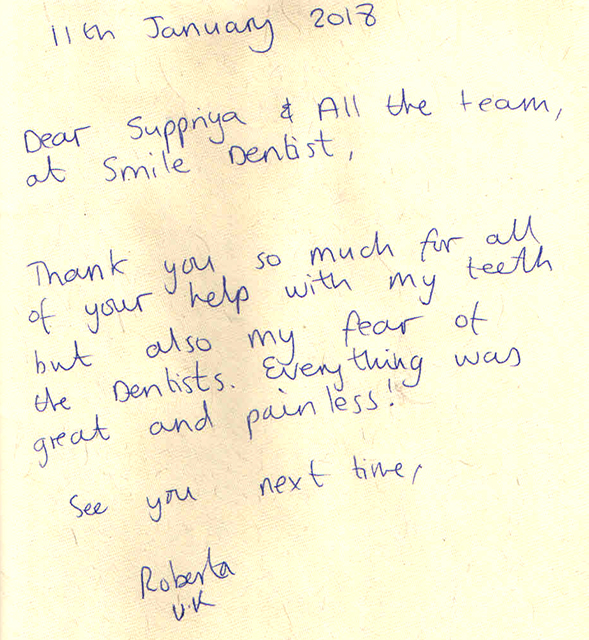
"Every thing was great and pain less !....."
Roberta
Location:- UK

"Dr. Suprriya is such a lovely and warm hearted woman as well as a..."
Victor
Location:- Switzerland
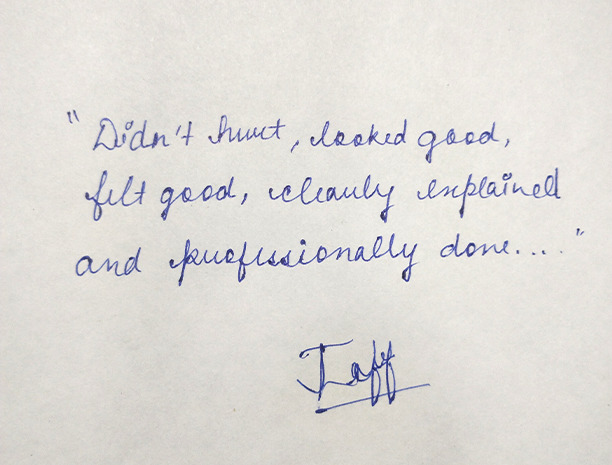

"Didn’t hurt, looked good, felt good, clearly explained and professionally done..."
Jeff
Location:- New zealand

"Dr. Supria is a unic dentice and an exellent person..”, “…honest and direct.."
Yaron Mayer
Location:- Israel Embassy

"Dr. Suprriya is very gentle and excellent human being. A perfect Dentist I...."
Uarely
Location:- Finland


"You treated me gentle as a child!..."
Andreas
Location:- Norway


"You are probably one of the best dentist I have ever been to in the last 50 years..."
Usama
Location:- Saudi Arabia
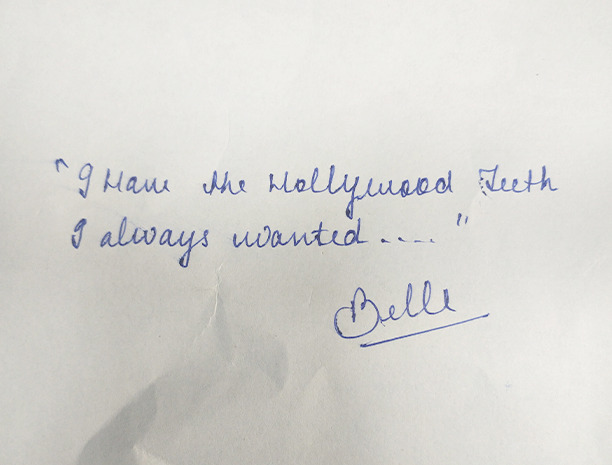

"I have the Hollywood teeth I always wanted…"
Belle
Location:- Canada
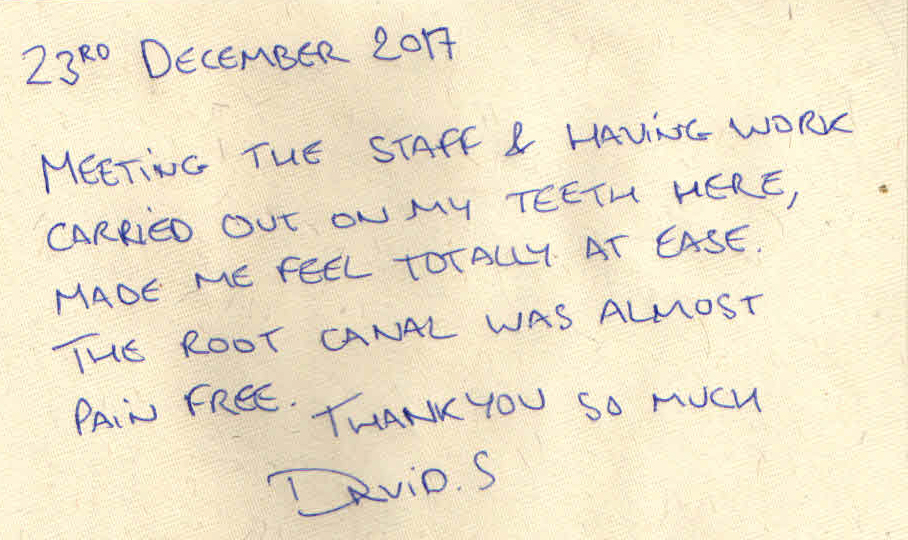
"The root canal was almost pain free....."
David Seeley
Location:- UK
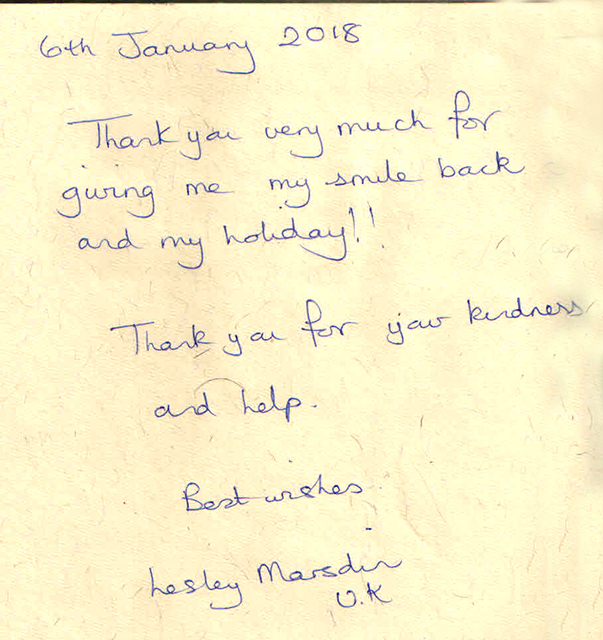
"Thank You very much for giving me my smile back and my holiday!....."
Lesley Marsdin
Location:- UK

"I even laughed when they screwed the posts in ! very professional even enjoyed it a bit"
Laurewce Moon
Location:- UK
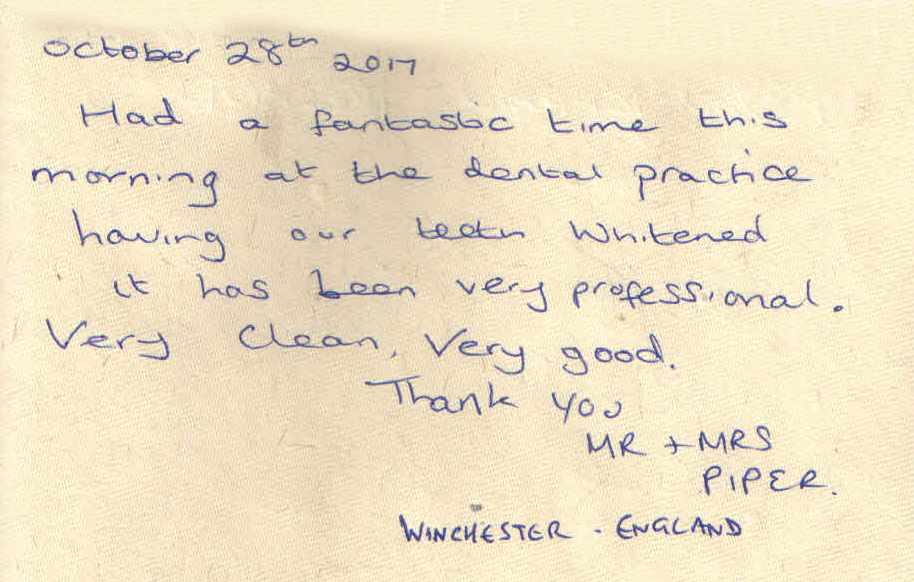
"It has been very professional. Very clean, very good......"
Mr. & Mrs. Piper
Location:-Winchester, England

"My emergency treatment was incredible kind and 1st class....."
Kevin Kahan
Location:- Ireland
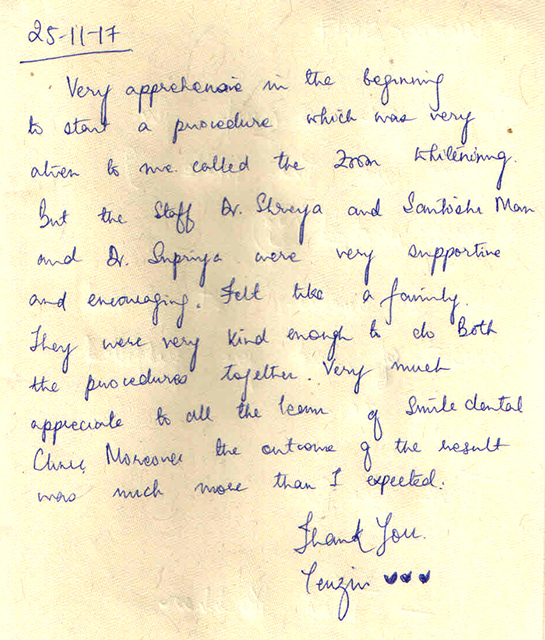

"The result was much more than I expected in zoom whitening....."
Tenzin
Location:- Bhutan
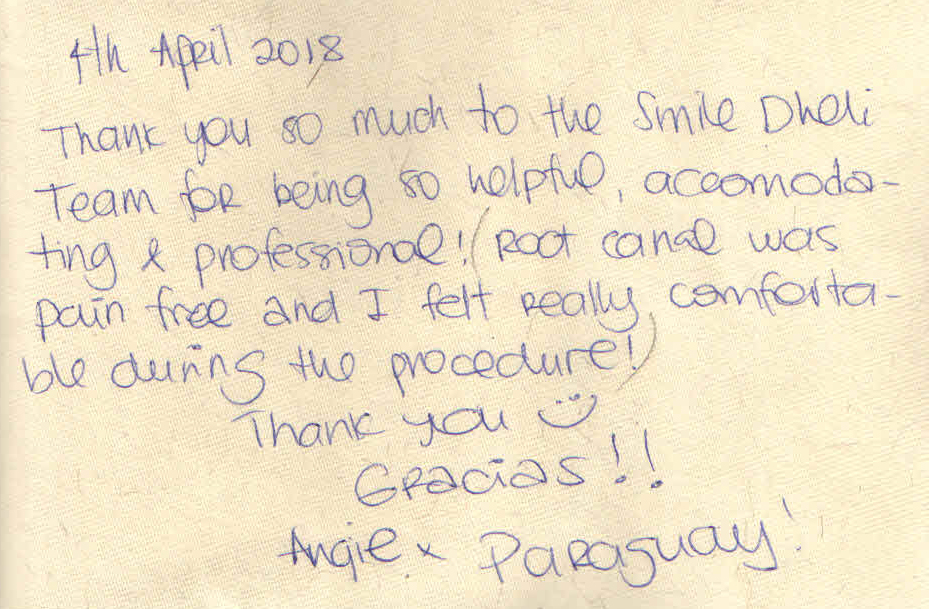

"Root canal was pain free and i felt really comfortable during the procedure....."
Angie
Location:- Paraguay
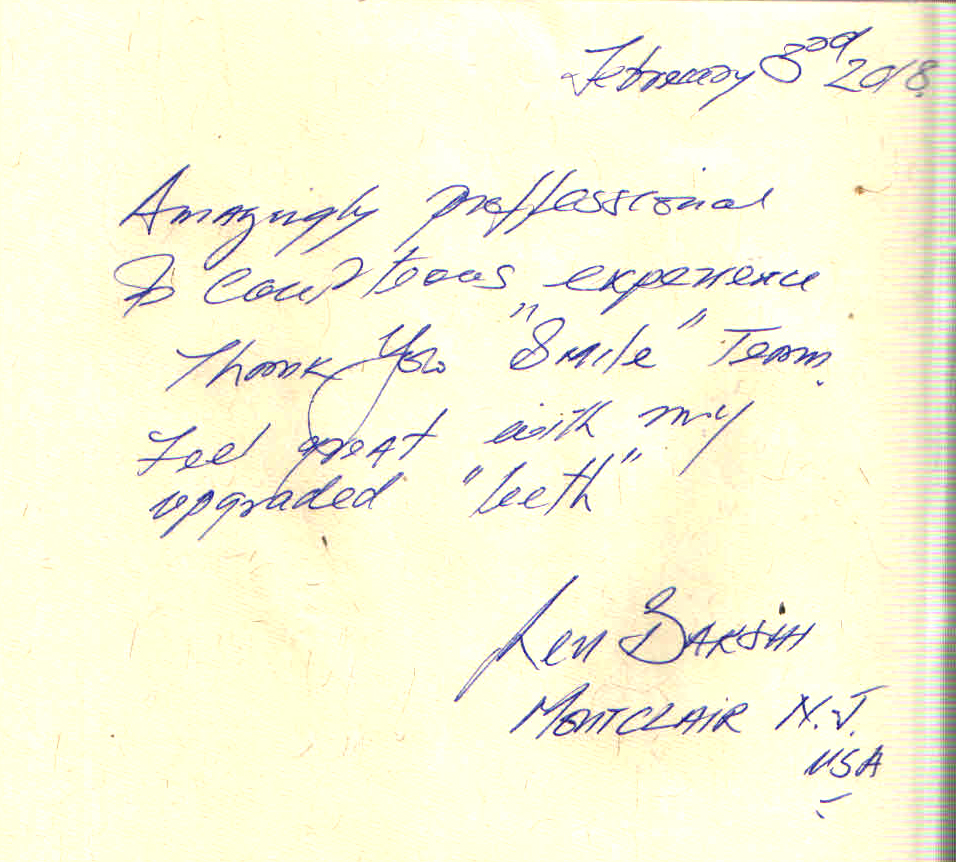
"Amazingly professional and courteous experience......"
Ken Bakshi
Location:- USA


"I had my teeth whitened amazing results!"
Paula Davey
Location:- Australia


"I would like to have sometimes so good dentist in Europe like Dr Suprriya..."
DANNY
Location:- Austria

"I would highly recommend Suprriya to anyone seeking good oral health care..."
ALLISON WEST
Location:- Australia


"Dr Suprriya, I just want to thank you for the very well done..."
MARIO
Location:- Columbia (Diplomat in India)