

How Long Do Dental Implants Typically Last?
A healthy smile has the power to make lasting impressions and build confidence in both personal and professional life. When a tooth is lost, many people feel the difference immediately, whether it’s in the way they chew food, pronounce words, or even how they smile in photos.
Fortunately, modern dentistry provides advanced solutions to restore missing teeth. Among these, Dental Implants stand out as a trusted and highly effective treatment.
Patients often ask an important question before choosing implants: How long do dental implants typically last? The answer is not fixed, but with the right care, implants can remain strong and reliable for decades.
To understand why they can last so long, it helps to know what they are, how they work, and the many factors that influence their lifespan.
What Are Dental Implants?
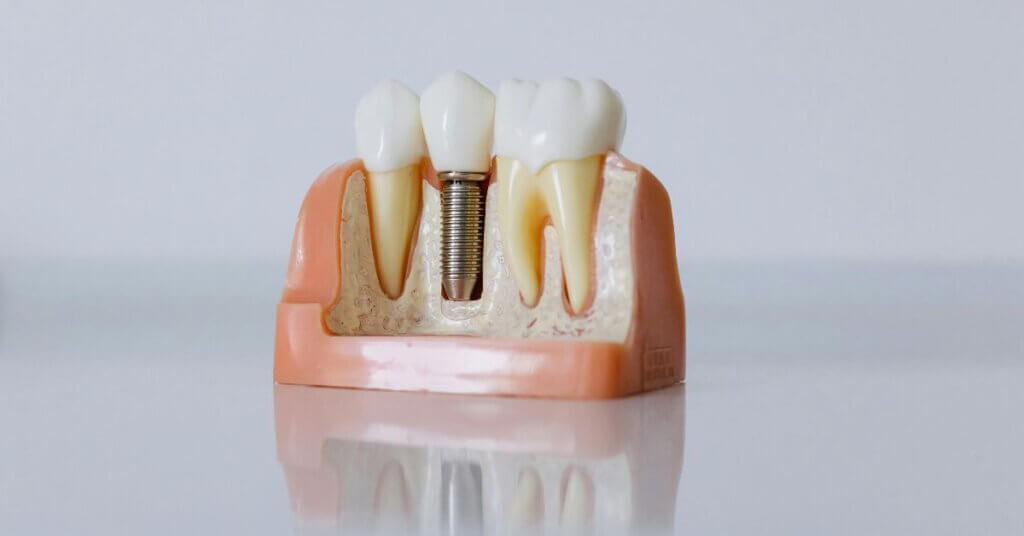
A dental implant is a small titanium screw that is placed into the jawbone to act as a replacement for the root of a missing tooth. Once placed, the bone gradually fuses with the screw, holding it firmly in place. This process is called osseointegration, and it is what makes implants so stable.
On top of this screw, a small connector called an abutment is attached. Finally, a custom-made crown is fixed to the abutment, completing the replacement. This crown looks and functions like a natural tooth, blending seamlessly with the rest of the smile.
Implants differ from dentures and bridges in important ways. Dentures rest on the gums and can sometimes slip or shift while talking or eating.
Bridges rely on nearby teeth for support, which often means trimming healthy teeth to place them properly. Implants, on the other hand, stand independently, offering durability, comfort, and strength without affecting the surrounding teeth.
For those looking for long-lasting tooth replacement options, consulting trusted dentist in South Delhi can be a smart step toward restoring both function and confidence in your smile.
Average Lifespan of Dental Implants
Research and clinical studies have shown that implants are among the most reliable dental treatments available today.
In many cases, implants last for more than 20 years, and with consistent oral care, they can even last a lifetime. Their success rates are among the highest in dentistry, averaging above 95 percent.
The part that may need replacement over time is the crown. Just like natural teeth, crowns can wear down due to chewing and biting.
On average, a crown may need replacement after 10 to 15 years. However, the titanium screw that holds the implant can stay intact much longer, provided the gums and jawbone remain healthy.
In short, while the visible part of the implant may need periodic updates, the implant itself can serve as a permanent foundation for a restored smile.
Factors That Affect Implant Longevity
The lasting power of implants depends on several factors. While implants are strong, their health is connected to the surrounding gums, bone, and the patient’s lifestyle choices.
Oral Hygiene Habits
Keeping implants clean is vital. Brushing twice a day and flossing regularly removes food particles and bacteria that can lead to infections.
When plaque is allowed to build up, it can cause gum inflammation and a condition known as peri-implantitis, which weakens the bone around the implant. Over time, this may threaten the stability of the implant.
Lifestyle Choices
Habits such as smoking can have a negative impact on implant success. Smoking reduces blood flow, slows down healing after surgery, and increases the risk of gum infections. Excessive alcohol intake can also irritate the gums and weaken oral health.
A balanced diet with adequate nutrients like calcium and vitamin D supports both natural teeth and implants, making healthy lifestyle choices essential.
Gum and Bone Health
A strong foundation of healthy gums and sufficient jawbone is necessary for implants to last. Patients with untreated gum disease or bone loss may face difficulties in keeping their implants secure.
In some cases, bone grafting is recommended before placing an implant to create a stronger base. Once the implant is placed, maintaining gum health is critical for long-term success.
Professional Care and Follow-Ups
Regular visits to the dentist are another factor in keeping implants strong. During these checkups, the dentist examines the implant, crown, and surrounding tissues.
If any early signs of problems are found, they can be treated before the implant is at risk. Skipping checkups may allow small issues to develop into major concerns that could shorten the implant’s lifespan.
Daily Habits That Support Long-Lasting Implants
The small things you do every day have the greatest effect on how long an implant will last. Good brushing and flossing routines protect the implant and surrounding gums from bacteria. Using a soft-bristled toothbrush and implant-safe floss makes cleaning easier and more effective.
Food choices also matter. While dental implants in South Delhi are very strong, chewing on extremely hard items like ice, pens, or hard candies can put stress on the crown. This may lead to cracks or damage. Choosing a balanced diet with softer foods can reduce wear on the crown and support overall oral health.
Finally, maintaining a schedule of regular dental visits is key. Professional cleanings remove plaque and tartar that daily brushing may miss, reducing the risk of gum disease around the implant. These everyday habits add up, helping your implants last for decades instead of just years.
Role of Dentist’s Skill and Technology
The success of an implant also depends on the skill of the dentist performing the procedure. Precise placement of the implant screw is crucial for long-term stability. If the angle or depth is not accurate, the implant may not fuse correctly with the bone.
Modern technology has improved implant success rates significantly. Tools such as 3D imaging and computer-guided surgery allow dentists to plan and place implants with accuracy. In South Delhi, advanced clinics use these methods to reduce risks and improve outcomes for patients.
A clinic like ours combines experience with modern technology, helping patients achieve lasting results. From diagnosis to follow-up care, the skill of the dentist and the tools used play a big role in how long an implant will last.
Comparison With Other Tooth Replacement Options
Implants are not the only choice for replacing missing teeth, but they are the most durable. Comparing them with other options highlights why so many patients prefer implants.
Dental bridges usually last between 10 and 15 years. They are effective but require reshaping the nearby teeth, which can weaken otherwise healthy teeth. Dentures often need to be replaced every 5 to 8 years because the jawbone changes shape over time, leading to a poor fit.
In contrast, implants are stable because they are anchored in the jawbone. As long as the gums and bone remain healthy, the implant can remain in place for decades, making them the most long-lasting option available.
Common Reasons Implants Might Fail Early
While implants are reliable, certain conditions can cause them to fail earlier than expected. Poor oral hygiene is one of the biggest reasons, as it leads to gum infections that can weaken the bone around the implant.
Untreated gum disease can also cause problems, especially if it spreads and damages the supporting tissues. Patients with health conditions such as uncontrolled diabetes may face higher risks because healing is slower and infections are harder to manage.
Another common reason for implant failure is skipping follow-up care. Regular checkups allow dentists to detect and correct small issues before they become serious. Without these visits, patients may not notice early warning signs until it’s too late.
Signs You Should Visit Your Dentist About Your Implant
Even though implants are designed to be durable, it is important to pay attention to any unusual symptoms. Pain or discomfort around the implant site should never be ignored.
If the dental crown feels loose or unsteady, it may need adjustment or repair. Swelling, redness, or bleeding around the gums are also signals that something may be wrong.
These signs may point to an infection or irritation that requires professional care. Visiting the dentist promptly can often save the implant and prevent more serious problems from developing.
Conclusion
So, how long do dental implants typically last? The answer is that they can last decades, and often a lifetime, when supported by strong oral hygiene, healthy lifestyle choices, and regular professional care.
The crown may need to be replaced occasionally, but the implant itself is designed to remain a permanent part of your smile.
For patients who want a reliable solution to missing teeth, implants remain one of the most successful treatments in dentistry. By taking care of them every day and visiting your dentist regularly, you can enjoy the comfort and confidence of a restored smile for many years to come.
For those considering treatment or already living with implants, Smile Delhi – The Dental Clinic provides guidance, expertise, and advanced care to help every patient achieve the best long-term results.
Sources:
- https://www.sciencedirect.com/science/article/abs/pii/S0300571219300491
- https://pmc.ncbi.nlm.nih.gov/articles/PMC11416373/
- https://onlinelibrary.wiley.com/doi/10.1111/cid.13443
- https://www.jomos.org/articles/mbcb/full_html/2022/02/mbcb210065/mbcb210065.html

Dr. Suprriya B. Bhatia is a highly experienced dental professional with over 25 years of clinical expertise. A leading dentist in South Delhi, she is the founder of Smile Delhi – The Dental Clinic and specialises in cosmetic dentistry, dental implants, and smile makeovers. Dr. Suprriya B. Bhatia is known for her compassionate, patient-centred approach and commitment to creating healthy, confident smiles for patients from India and abroad.


"Extremely good service and care..."
Tim Gound
Location:- U. K.


"The standard of the clinic is like a first country’s clinic..."
PEDRO MORAES
Location:- Brazil


"Me and my family were very reluctant to undergo my dental treatment in India, but..."
RICHARD SALDANHA
Location:- Peru, South America


"The hygiene is good, the care up to European standards if not better. Strong on explaining..."
THOMAS BAINS
Location:- European Commission
"A new beautiful smile made by a beautiful lady who truly cares for her patients..."
Sinead
Location:- England

"I have the smile of my dream….This clinic is very professional and they use only best materials..."
Alla Lu
Location:- Russia


"Thank you so much for making my dream come true to have a perfect smile..."
Jacyln Gopinathan
Location:- Mindro Philippines


"I felt very comfortable through my treatment and i had 100% trust in you..."
Arnar Gislason
Location:- Iceland


"Thank you for giving me a smile that i’ve dreamed of for years..."
Yuto Harrison
Location:- Canada


"Dr. Suprriya’s work was amazing…. She is super professional and polite..."
Todd
Location:- Australia


"Dr. Suprriya is such a lovely and warm hearted woman as well as a truly and high qualified professional..."
Victor Vique
Location:- Switzerland


"After travelling all through India and visiting 7 different clinics, this..."
JEFF MC CLEAN
Location:- New Zealand

"From the moment i got here i knew i had made the right decision."


"Thank you so much, Dr. Suprriya! I am so grateful for you and your practice."

"Very attentive and grateful for the results. I will keep in Touch"

"You saved my teeth. Lovely clinic and very professional staff..."


"My teeth are 7-8 shades whiter, thanks to you and your team..."

"Thank you very much dr. suprriya for wonderful treatment for implants and bridge and giving me my smile back."


"Felt in good hands during the whole treatment..."

"Visited many dentist around the world and smile delhi definitely gives you a great smile..."


"Over all experience was wonderful…"
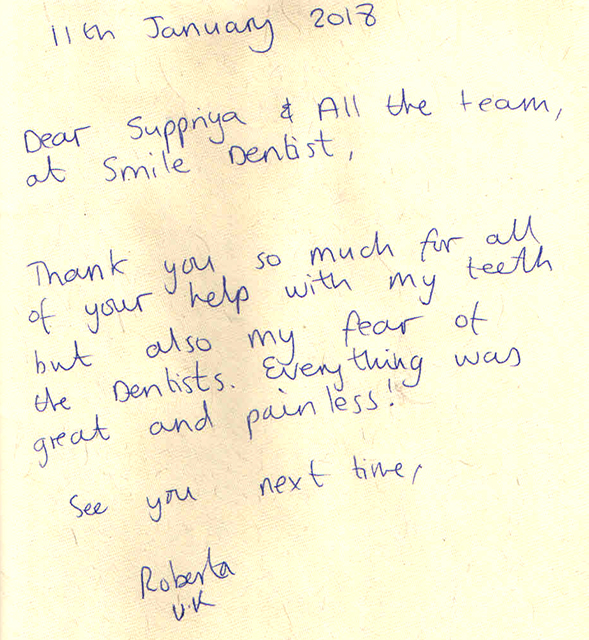
"Every thing was great and pain less !....."
Roberta
Location:- UK

"Dr. Suprriya is such a lovely and warm hearted woman as well as a..."
Victor
Location:- Switzerland


"Didn’t hurt, looked good, felt good, clearly explained and professionally done..."
Jeff
Location:- New zealand

"Dr. Supria is a unic dentice and an exellent person..”, “…honest and direct.."
Yaron Mayer
Location:- Israel Embassy

"Dr. Suprriya is very gentle and excellent human being. A perfect Dentist I...."
Uarely
Location:- Finland


"You treated me gentle as a child!..."
Andreas
Location:- Norway


"You are probably one of the best dentist I have ever been to in the last 50 years..."
Usama
Location:- Saudi Arabia


"I have the Hollywood teeth I always wanted…"
Belle
Location:- Canada
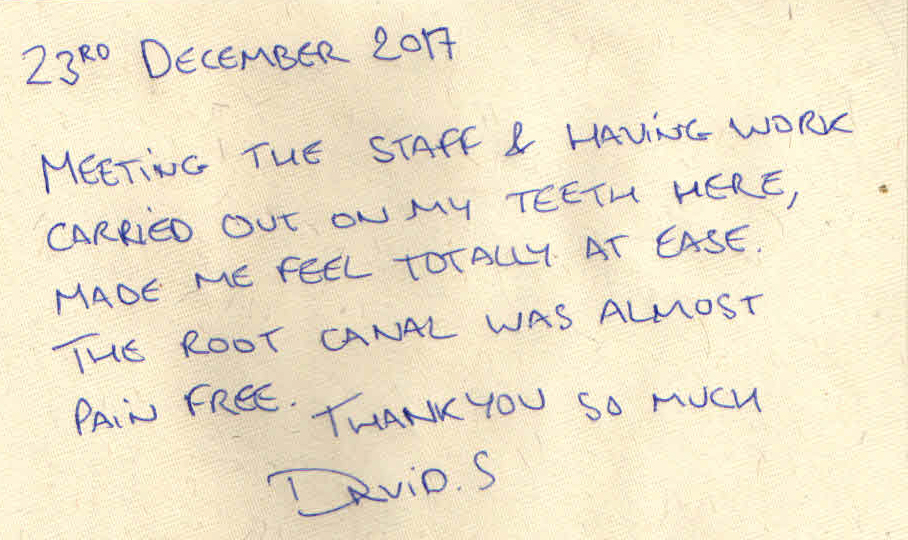
"The root canal was almost pain free....."
David Seeley
Location:- UK

"Thank You very much for giving me my smile back and my holiday!....."
Lesley Marsdin
Location:- UK

"I even laughed when they screwed the posts in ! very professional even enjoyed it a bit"
Laurewce Moon
Location:- UK

"It has been very professional. Very clean, very good......"
Mr. & Mrs. Piper
Location:-Winchester, England

"My emergency treatment was incredible kind and 1st class....."
Kevin Kahan
Location:- Ireland
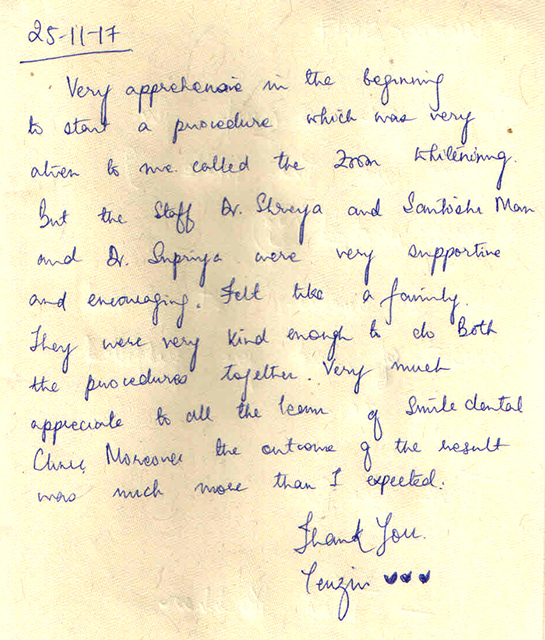

"The result was much more than I expected in zoom whitening....."
Tenzin
Location:- Bhutan
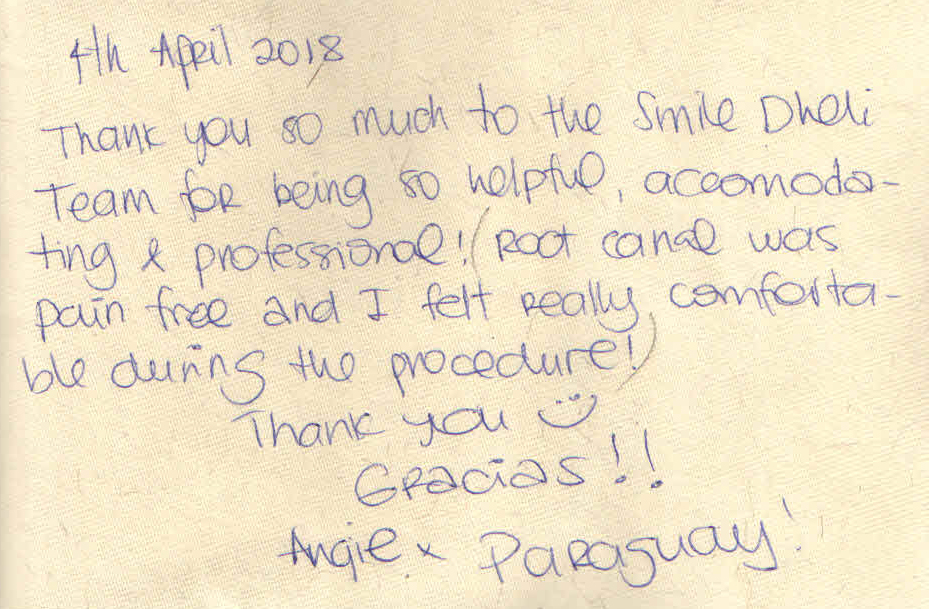

"Root canal was pain free and i felt really comfortable during the procedure....."
Angie
Location:- Paraguay
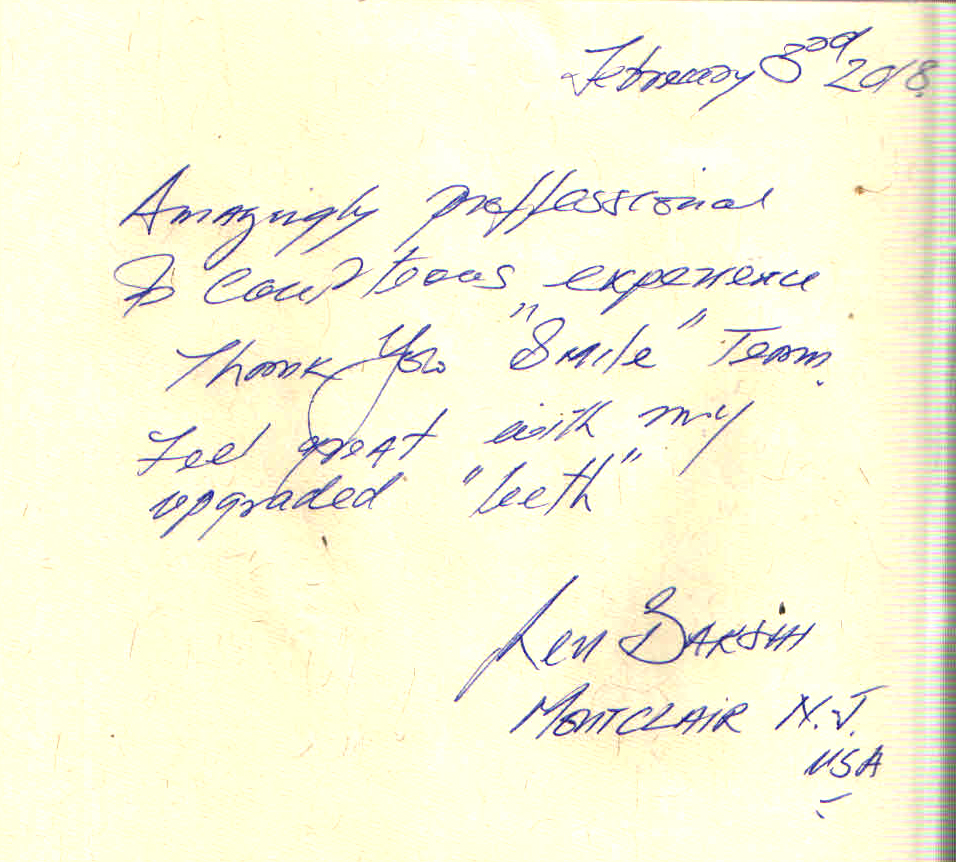
"Amazingly professional and courteous experience......"
Ken Bakshi
Location:- USA


"I had my teeth whitened amazing results!"
Paula Davey
Location:- Australia


"I would like to have sometimes so good dentist in Europe like Dr Suprriya..."
DANNY
Location:- Austria

"I would highly recommend Suprriya to anyone seeking good oral health care..."
ALLISON WEST
Location:- Australia


"Dr Suprriya, I just want to thank you for the very well done..."
MARIO
Location:- Columbia (Diplomat in India)