

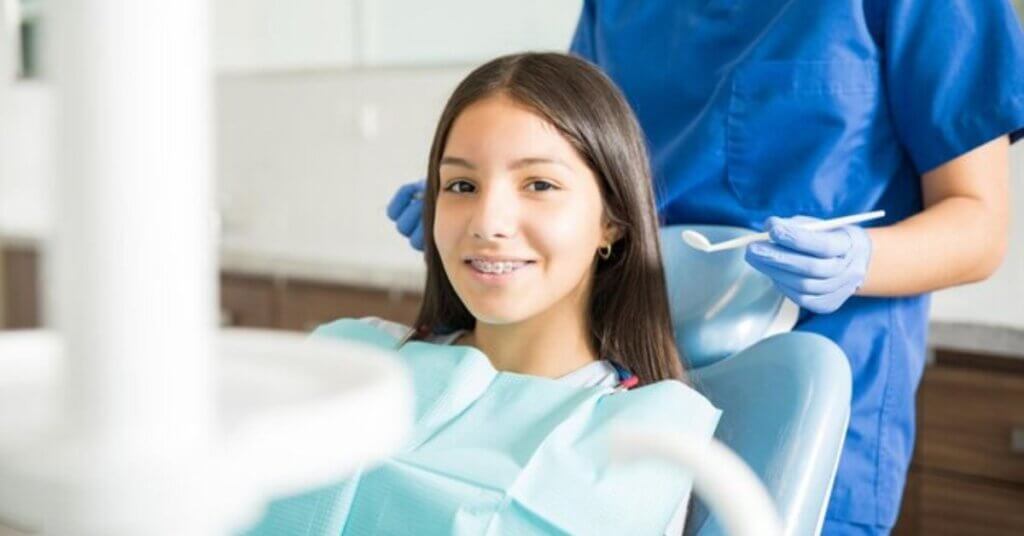
How Do Braces Gradually Shift Teeth Into Proper Alignment?
Many people believe braces fix teeth quickly, but the reality is very different. Braces work slowly and carefully over time, guiding teeth into better positions in a safe way. This gradual movement protects your gums, bones, and overall oral health.
Teeth are connected to your jaw through soft tissues, so they cannot be pushed into place instantly. If force is applied too quickly, it can cause pain or even damage. That is why orthodontic treatment focuses on steady, controlled pressure.
For people exploring braces in Delhi, understanding this slow process helps build trust and patience. A well-aligned smile is not created overnight. It is the result of small, consistent changes that lead to lasting results.
What Are Braces and How Do They Work?
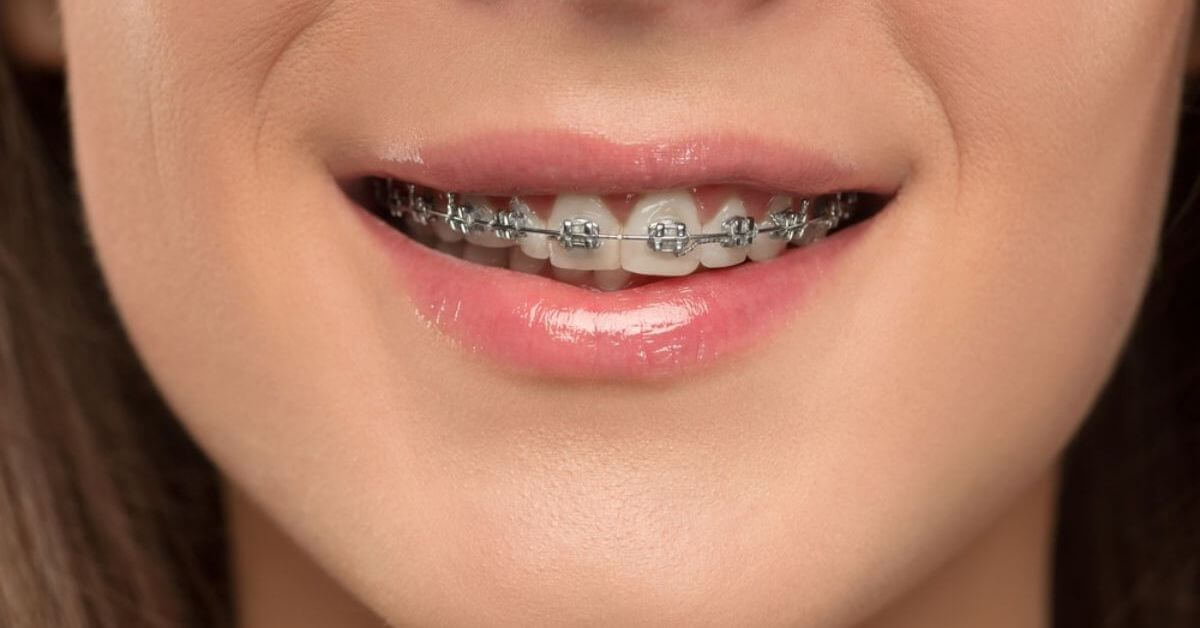
Braces are dental devices designed to straighten teeth and correct bite problems. They are made up of small brackets attached to each tooth, connected by a thin wire.
In many cases, people choosing braces in Delhi are guided through different types of braces based on their needs. In some cases, elastic bands are also used to add extra support.
The wire plays a very important role. It applies gentle pressure across all the teeth, guiding them into better alignment. Each bracket helps control the direction in which a tooth moves. Together, these parts work as a system that slowly shifts teeth into place.
The process is simple to understand. When light pressure is applied over time, teeth begin to move. This movement is controlled and planned by the dentist to achieve the best results.
The Science Behind Tooth Movement
Role of Bone and Ligaments
Teeth are not fixed tightly into the jaw like solid objects. They are held in place by a soft structure called the periodontal ligament. This ligament acts like a cushion between the tooth and the bone.
When braces apply pressure, one side of the ligament becomes compressed while the other side stretches. This signals the body to start a natural response. The bone in front of the tooth begins to break down slightly, while new bone forms behind it.
This continuous process allows the tooth to move slowly without harming the surrounding structures. It is a natural adjustment that the body supports over time.
How Pressure Triggers Change
The pressure from braces is gentle but constant. This is very important because strong force can damage the teeth or gums.
When pressure is applied, the bone around the tooth begins to adapt. The tooth shifts little by little, and the surrounding tissues adjust to support its new position. This process repeats again and again during treatment.
Over weeks and months, these small movements lead to visible changes. What seems like a slow process is actually a carefully controlled biological reaction happening inside your mouth.
Step-by-Step Process of Teeth Alignment
Initial Placement and Light Pressure
The journey begins when braces are first placed on the teeth. During this appointment, brackets are attached, and a flexible wire is inserted. This wire starts applying light pressure immediately.
In the first few days, you may feel tightness or slight discomfort. This is completely normal and shows that the braces are starting to work.
At this stage, changes are happening, but they may not be visible yet. The goal of this phase is to begin the alignment gently, allowing the teeth to respond without stress.
Gradual Adjustment Over Time
As treatment continues, regular dental visits become an important part of the process. During these visits, the dentist adjusts the wire to maintain the right level of pressure.
Each adjustment helps guide the teeth further into their correct positions. These changes are small but consistent. Over time, you will start to notice improvements such as straighter teeth and better spacing.
For patients considering braces in Delhi, it is important to understand that consistency is key. Missing appointments can slow progress and affect the final results. This phase usually takes the longest time, but it is where most of the visible transformation happens.
Final Alignment and Stabilisation
Once the teeth are nearly in their correct positions, the final stage begins. This phase focuses on fine adjustments to improve the bite and overall alignment, often guided by the best dentist in Delhi to ensure precise results.
After braces are removed, retainers are used to keep the teeth in place. Teeth naturally try to shift back to their old positions, so wearing a retainer is important for maintaining stability.
This stage helps lock in the results and maintain the new smile for the long term, giving you lasting confidence and better oral health.
Factors That Affect How Fast Braces Work
The speed of orthodontic treatment can vary from person to person. One of the main factors is age. Younger patients often experience faster movement because their bones are still developing. Adults can still achieve great results, but it may take a bit more time.
Oral habits also play a role. Habits like thumb sucking, nail biting, or teeth grinding can affect how teeth move. These habits may slow down the treatment process if not controlled.
Consistency is another important factor. Following the dentist’s instructions, wearing elastics if required, and attending all appointments can help keep the treatment on track.
Good oral hygiene also supports faster and healthier movement. Clean teeth and healthy gums allow braces to work more effectively without complications.
Why Regular Adjustments Are Important
Braces require regular monitoring to work properly. During each visit, the dentist checks how your teeth are moving and makes small adjustments to the wire or bands.
These adjustments help maintain steady pressure, which is necessary for continuous movement. Without these changes, the braces would stop being effective.
Regular visits also allow the dentist to identify and fix any issues early. This could include loose brackets or areas where the teeth are not moving as expected. Think of these appointments as progress checks that keep your treatment moving in the right direction.
Common Sensations During Treatment
It is normal to feel some discomfort during orthodontic treatment, especially after getting braces or after adjustments. This discomfort is usually mild and temporary.
You may feel pressure when biting or slight soreness in your teeth. Some people also experience minor irritation inside the cheeks or lips as they adjust to the brackets.
These sensations usually go away within a few days. They are a sign that your teeth are responding to the pressure and beginning to move. Eating soft foods and maintaining good oral care can help reduce discomfort during this time.
Benefits of Gradual Teeth Movement
The slow movement of teeth offers several advantages. It allows the bone and tissues around the teeth to adjust properly, reducing the risk of damage.
Gradual alignment also leads to more stable results. When teeth are moved slowly, they are more likely to stay in their new positions after treatment is complete.
This process improves not just the appearance of your smile but also your bite and overall oral health. Properly aligned teeth are easier to clean and less likely to develop problems in the future. Over time, patients notice that their smile feels more natural, and their confidence improves as well.
Conclusion
Braces work through a slow and steady process that gently guides teeth into proper alignment. By applying light pressure over time, they allow the body to adapt safely and naturally.
Each stage, from the first adjustment to wearing a retainer, plays an important role in achieving long-lasting results. If you are planning to begin your orthodontic journey, choosing the right dental team can make a big difference.
At Smile Delhi – The Dental Clinic, patients receive clear guidance and supportive care throughout their treatment, helping them move towards a healthier and more confident smile.
Source Urls:
- https://my.clevelandclinic.org/health/treatments/24601-teeth-braces
- https://aaoinfo.org/treatments/braces/
- https://pmc.ncbi.nlm.nih.gov/articles/PMC10626255/
- https://www.fda.gov/consumers/consumer-updates/braces-have-changed-metal-tooth

Dr. Suprriya B. Bhatia is a highly experienced dental professional with over 25 years of clinical expertise. A leading dentist in South Delhi, she is the founder of Smile Delhi – The Dental Clinic and specialises in cosmetic dentistry, dental implants, and smile makeovers. Dr. Suprriya B. Bhatia is known for her compassionate, patient-centred approach and commitment to creating healthy, confident smiles for patients from India and abroad.


"Extremely good service and care..."
Tim Gound
Location:- U. K.


"The standard of the clinic is like a first country’s clinic..."
PEDRO MORAES
Location:- Brazil


"Me and my family were very reluctant to undergo my dental treatment in India, but..."
RICHARD SALDANHA
Location:- Peru, South America


"The hygiene is good, the care up to European standards if not better. Strong on explaining..."
THOMAS BAINS
Location:- European Commission
"A new beautiful smile made by a beautiful lady who truly cares for her patients..."
Sinead
Location:- England

"I have the smile of my dream….This clinic is very professional and they use only best materials..."
Alla Lu
Location:- Russia


"Thank you so much for making my dream come true to have a perfect smile..."
Jacyln Gopinathan
Location:- Mindro Philippines


"I felt very comfortable through my treatment and i had 100% trust in you..."
Arnar Gislason
Location:- Iceland

"Thank you for giving me a smile that i’ve dreamed of for years..."
Yuto Harrison
Location:- Canada

"Dr. Suprriya’s work was amazing…. She is super professional and polite..."
Todd
Location:- Australia


"Dr. Suprriya is such a lovely and warm hearted woman as well as a truly and high qualified professional..."
Victor Vique
Location:- Switzerland


"After travelling all through India and visiting 7 different clinics, this..."
JEFF MC CLEAN
Location:- New Zealand

"From the moment i got here i knew i had made the right decision."


"Thank you so much, Dr. Suprriya! I am so grateful for you and your practice."

"Very attentive and grateful for the results. I will keep in Touch"

"You saved my teeth. Lovely clinic and very professional staff..."


"My teeth are 7-8 shades whiter, thanks to you and your team..."

"Thank you very much dr. suprriya for wonderful treatment for implants and bridge and giving me my smile back."


"Felt in good hands during the whole treatment..."

"Visited many dentist around the world and smile delhi definitely gives you a great smile..."

"Over all experience was wonderful…"
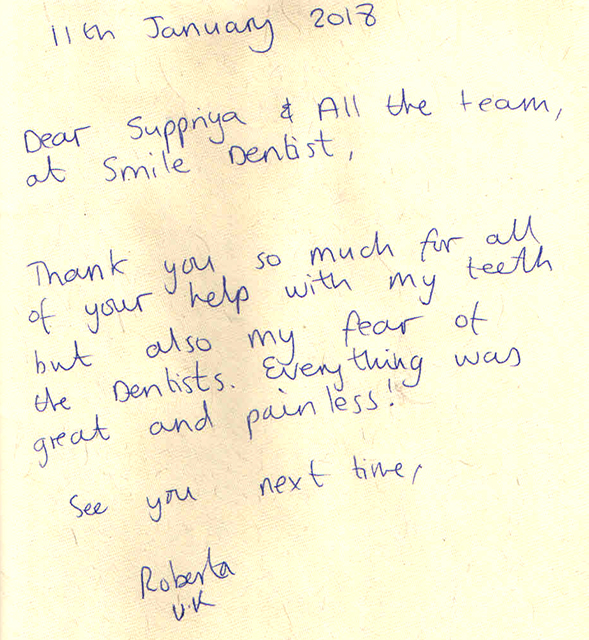
"Every thing was great and pain less !....."
Roberta
Location:- UK

"Dr. Suprriya is such a lovely and warm hearted woman as well as a..."
Victor
Location:- Switzerland
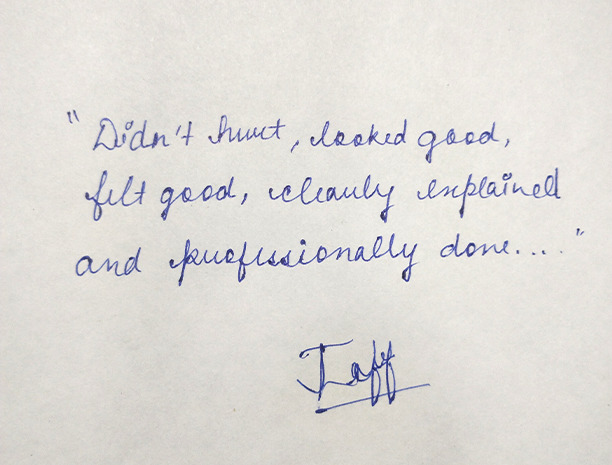

"Didn’t hurt, looked good, felt good, clearly explained and professionally done..."
Jeff
Location:- New zealand

"Dr. Supria is a unic dentice and an exellent person..”, “…honest and direct.."
Yaron Mayer
Location:- Israel Embassy

"Dr. Suprriya is very gentle and excellent human being. A perfect Dentist I...."
Uarely
Location:- Finland


"You treated me gentle as a child!..."
Andreas
Location:- Norway


"You are probably one of the best dentist I have ever been to in the last 50 years..."
Usama
Location:- Saudi Arabia
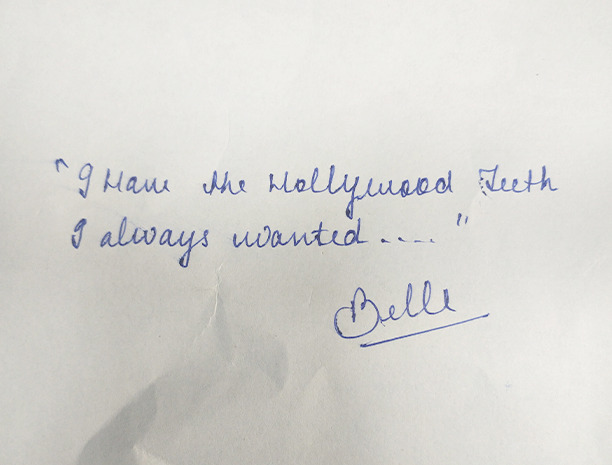

"I have the Hollywood teeth I always wanted…"
Belle
Location:- Canada
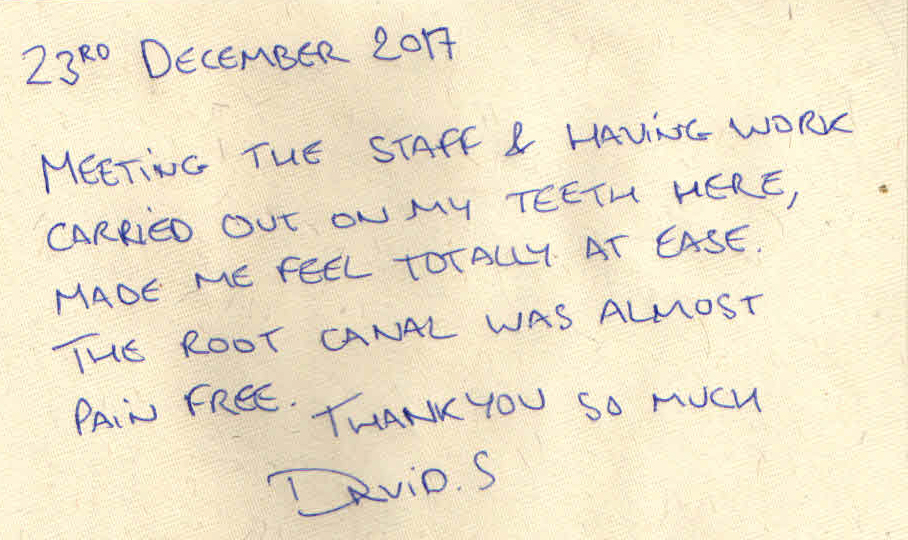
"The root canal was almost pain free....."
David Seeley
Location:- UK
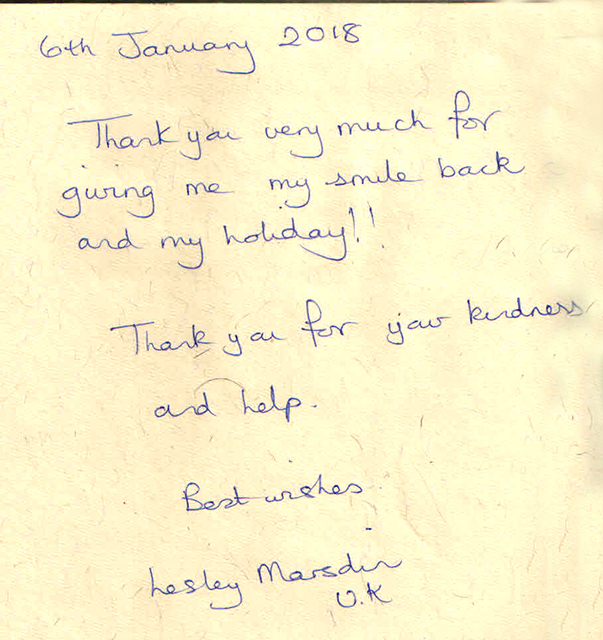
"Thank You very much for giving me my smile back and my holiday!....."
Lesley Marsdin
Location:- UK

"I even laughed when they screwed the posts in ! very professional even enjoyed it a bit"
Laurewce Moon
Location:- UK
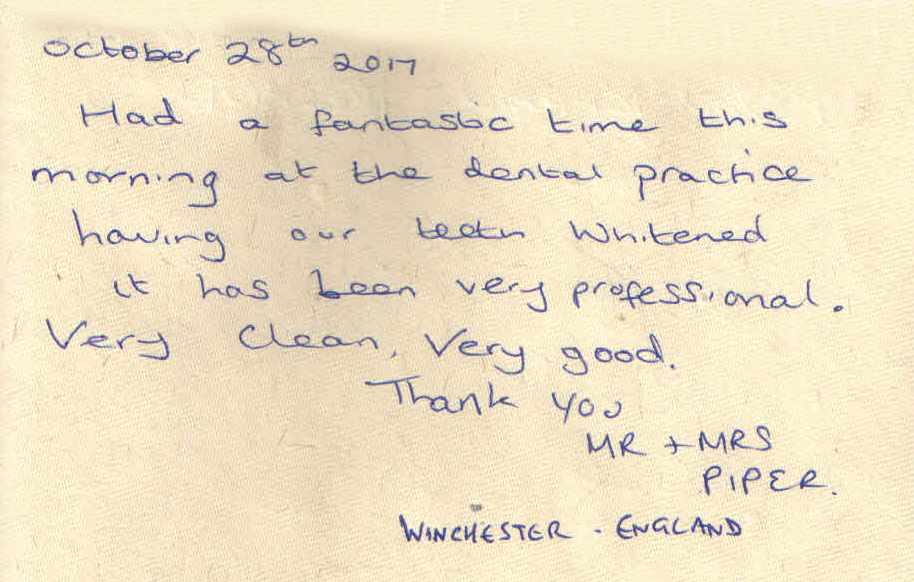
"It has been very professional. Very clean, very good......"
Mr. & Mrs. Piper
Location:-Winchester, England

"My emergency treatment was incredible kind and 1st class....."
Kevin Kahan
Location:- Ireland
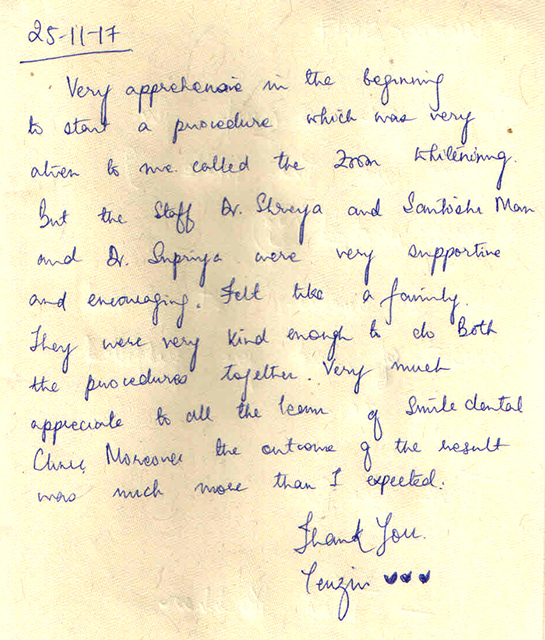

"The result was much more than I expected in zoom whitening....."
Tenzin
Location:- Bhutan
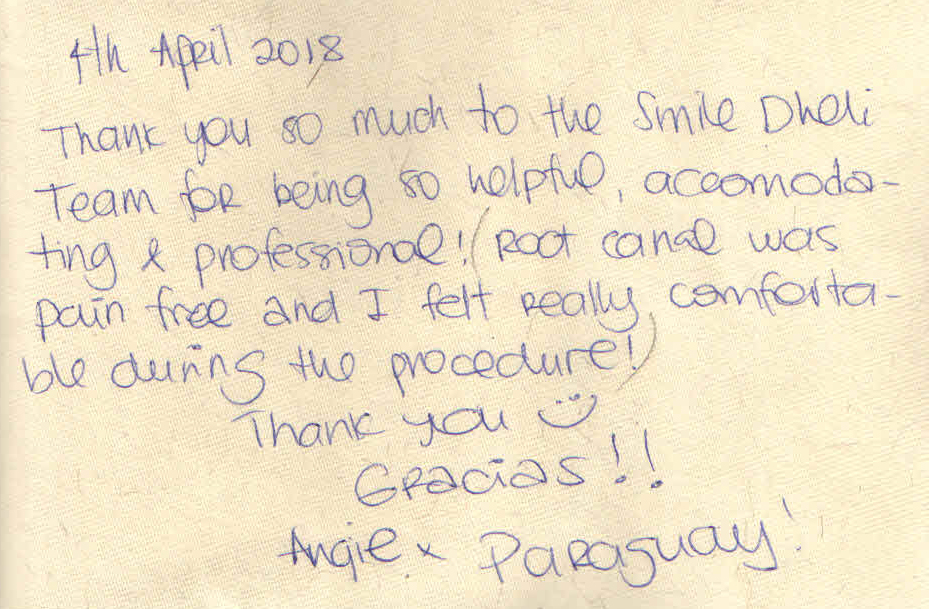

"Root canal was pain free and i felt really comfortable during the procedure....."
Angie
Location:- Paraguay
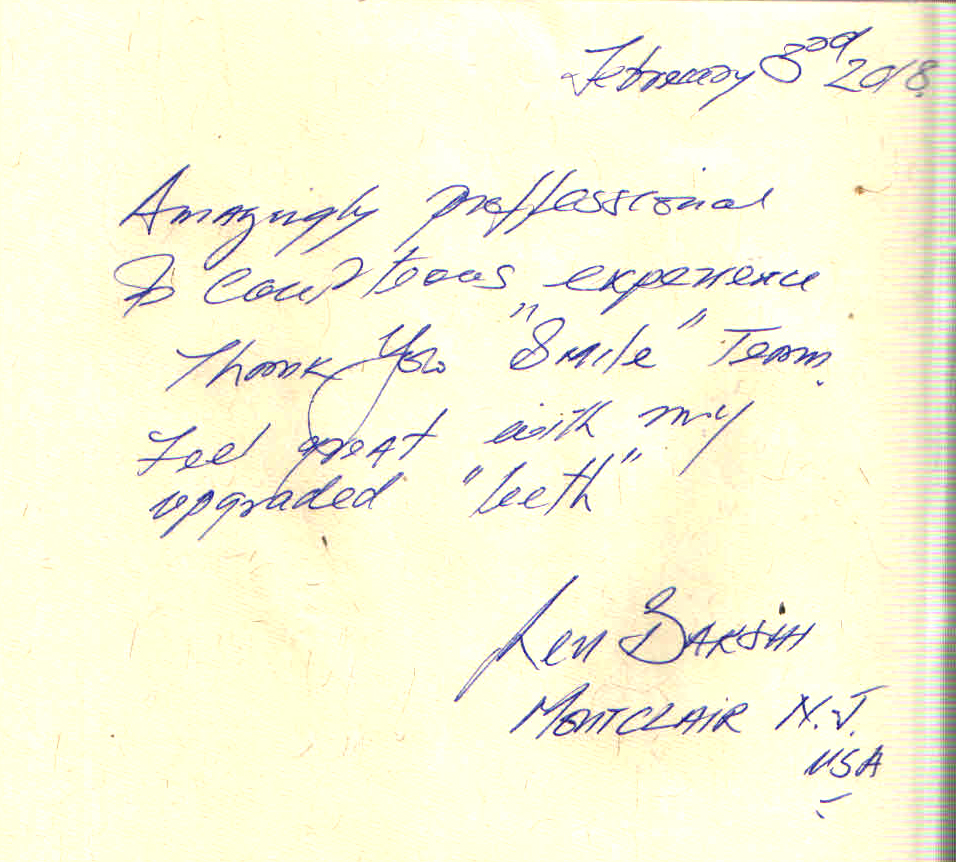
"Amazingly professional and courteous experience......"
Ken Bakshi
Location:- USA


"I had my teeth whitened amazing results!"
Paula Davey
Location:- Australia


"I would like to have sometimes so good dentist in Europe like Dr Suprriya..."
DANNY
Location:- Austria

"I would highly recommend Suprriya to anyone seeking good oral health care..."
ALLISON WEST
Location:- Australia


"Dr Suprriya, I just want to thank you for the very well done..."
MARIO
Location:- Columbia (Diplomat in India)