

Did you know diabetes can also cause problems in your mouth?
Diabetes is a disease that can affect the whole body. People with diabetes face a higher than normal risk of oral health problems.
People who have diabetes know the disease can cause many complications in the body such as eyes, nerves, kidney, heart and other important systems. Another common health complication is oral health problems.
Diabetes affects your body’s ability to process sugar. All food you eat is turned to sugar and used for energy.
In Type I diabetes, the body doesn’t make enough insulin, a hormone that carries sugar from your blood to the cells that need it for energy. In Type II diabetes, the body stops responding to insulin. Both cases result in high blood sugar levels, which can cause problems with your eyes, nerves, kidneys, heart and other parts of your body.
Good blood glucose control is key to controlling and preventing mouth problems. People with poor blood glucose control have a higher risk of tooth problems and gum disease and lose teeth more often and more severely than people without diabetes or whose diabetes is well controlled.
The link between diabetes and oral health problems is high blood sugar. If blood sugar is poorly controlled, oral health problems are more likely to develop. This is because uncontrolled diabetes weakens white blood cells, which are the body’s main defense against bacterial infections that can occur in the mouth.Besides weakening white blood cells; another complication of diabetes is that it causes blood vessels to thicken. This slows the flow of nutrients to and waste products from body tissues, including the mouth. When this combination of events, the body loses its ability to fight infections and reduced healing capacity.
Especially with increasing age, poor blood sugar control increases the risk for oral health problems. In fact, people with diabetes are at a higher risk for gum problems such as gingivitis and periodontitis because of poor blood sugar control. As with all infections, serious gum disease may cause blood sugar to rise. This makes diabetes harder to control because you are generally more susceptible to infections and are less able to fight the bacteria that invade the gums.
Periodontal disease (severe form of gum disease) is the most common and dental disease affecting those living with diabetes. When you reach this stage, your gums begin to pull away from your teeth. Pockets form between your teeth and gums. These fill with germs and pus, and deepen resulting in loosening of your teeth. They may fall out by themselves or may need to be removed.This chronic disease also can cause inflammation and, and destruction of tissues surrounding and supporting teeth, gums, bone and fibers that hold the gums to the teeth. Gum disease is being addressed by the dentists in the dental clinics in Delhi.
Not only are people with diabetes more susceptible to serious gum disease, but serious gum disease may have the potential to affect blood glucose control and contribute to the progression of diabetes and may make diabetes harder to control. Preventing and treating periodontitis can help improve blood sugar control.
Dentists in India not only counsel the diabetic patients with gum disease but systematically follow up so that they can evaluate the progress they are making.
The first signs and symptoms of diabetes can occur in the mouth, so paying attention to your oral health can also lead to earlier diagnosis and treatment.
Early intervention and regular preventive maintenance can keep your teeth and gums healthy.
How Does Diabetes Affect the Mouth?
When you have diabetes, high blood sugar can take a toll on your entire body — including your teeth and gums. People with diabetes face a higher risk of:
- Dry mouth — Uncontrolled diabetes can decrease saliva flow, resulting in dry mouth (Dry mouth is also caused by certain medications). Dry mouth can further lead to soreness, mouth ulcers, dental infections, and tooth decay.
- Gum inflammation (gingivitis) and periodontitis —Since periodontal disease is a bacterial infection, people with uncontrolled diabetes might experience more frequent and more severe gum disease.
- Poor healing of oral tissues — People with uncontrolled diabetes do not heal quickly after oral surgery or other dental procedures because blood flow to the treatment site can be damaged.
- Thrush — People with diabetes who frequently take antibiotics to fight various infections are especially prone to developing a fungal infection of the mouth and tongue. The fungus thrives on the high glucose levels in the saliva of people with uncontrolled diabetes.
- Wearing dentures (especially when they are worn constantly) can also lead to fungal infections.
- Burning mouth and/or tongue — This condition is caused by the presence of thrush.
- For children with diabetes, teeth may erupt at an age earlier than is typical.
- The higher your blood sugar level, the greater the supply of sugars and starches — and the more acid wearing away at your teeth.
- With increased blood glucose levels, people living with diabetes may have more glucose in their saliva and very dry mouths. These conditions allow dental plaque to build up on teeth, which leads to tooth decay and cavities.
- Smoking makes these problems worse. People with diabetes who smoke are at an even higher risk — up to 20 times more likely than non-smokers to develop thrush and periodontal disease. Smoking also seems to impair blood flow to the gums, which might affect wound healing in this tissue area.
How Can You Help Prevent Dental Problems Associated with Diabetes?
It is important to look after your oral health. Diabetes control protects against the development of oral health problems. The better you control your blood glucose levels, the less likely you are to develop dental problems such as gum disease. It is a two-way street. Treating gum disease helps to improve blood glucose levels in people living with diabetes, and people with optimal blood glucose levels respond very well to dental treatment.
- Brush your teeth at least twice a day. Brush in the morning, at night and, ideally, after meals and snacks. Use a soft-bristled toothbrush and toothpaste that contains fluoride. Avoid vigorous or harsh scrubbing, which can irritate your gums. Consider using an electric toothbrush, especially if you have arthritis or other problems that make it difficult to brush well. Get a new toothbrush at least every three months.
- Floss your teeth at least once a day. Flossing helps remove plaque between your teeth and under your gumline. If you have trouble getting floss through your teeth, use the waxed variety. If it’s hard to manipulate the floss, use a floss holder.
- Make sure to take extra good care of your mouth and have dental infections treated immediately. Diabetics who receive good dental care and have good insulin control typically have a better chance at avoiding gum disease.
- Schedule regular dental visits. Visit your dentist at least twice a year for professional cleanings and checkups.
- Make sure your dentist knows you have diabetes. Every time you visit your dentist, remind him or her that you have diabetes.
- Look for early signs of gum disease. Report any signs of gum disease — including redness, swelling and bleeding gums — to your dentist. Also mention any other signs and symptoms, such as dry mouth, loose teeth or mouth pain.
- Don’t smoke. Smoking increases the risk of serious diabetes complications, including gum disease. If you smoke, ask your doctor about options to help you quit.
- The best way that you can prevent diabetes-related complications in your dental health is to maintain optimal control over your blood sugar levels Check your blood sugar regularly and notify your doctor if you cannot control your levels with diet, oral medications, or insulin.
- Good blood sugar control will also help your body fight any bacterial or fungal infections in your mouth and help prevent or relieve dry mouth caused by diabetes.
- Use your diabetes-related medications as directed, changing to a healthier diet and even exercising more can help.
- Postpone non-emergency dental procedures if your blood sugar is not in good control. This is because your risk for post-procedure infection is increased if your blood sugar levels are too high. However, acute infections (infections that develop quickly), such as abscesses, should be treated right away.
- Avoid smoking.
- If you wear any type of denture, clean it each day.
- Avoid having a dry mouth – drink plenty of water and chew sugar-free gum to stimulate saliva production.
- Keep in mind that healing might take longer in people with diabetes. Follow your dentist’s post-treatment instructions closely.
- Call your orthodontist immediately if a wire or bracket (such as those in braces) cuts your tongue or mouth.
- Check your mouth for abnormalities on a monthly basis. This includes looking for areas of dryness or white patches in your mouth. Bleeding areas are also cause for concern. Keep your dentist informed of any changes in your condition and any medication you might be taking. Dentists in dental clinics in India are making a point to remind diabetic patients to follow good oral hygiene practices and pay special attention to any changes in your oral health,
With careful attention to your diabetes control and dental health, you can maintain healthy teeth and gums.
Dentists in South Delhi are regularly counseling patients about how to keep their teeth and gums healthy and are reminding patients for their regular dental cleanings and checkups.
Good oral health is integral to general health. Your efforts will be rewarded with a lifetime of healthy teeth and gums.
Teamwork involving self-care and professional care from your dentist will be beneficial in keeping your healthy smile as well as potentially slowing progression of diabetes.
Posted By – Dr. Shriya

Dr. Suprriya B. Bhatia is a highly experienced dental professional with over 25 years of clinical expertise. A leading dentist in South Delhi, she is the founder of Smile Delhi – The Dental Clinic and specialises in cosmetic dentistry, dental implants, and smile makeovers. Dr. Suprriya B. Bhatia is known for her compassionate, patient-centred approach and commitment to creating healthy, confident smiles for patients from India and abroad.


"Extremely good service and care..."
Tim Gound
Location:- U. K.


"The standard of the clinic is like a first country’s clinic..."
PEDRO MORAES
Location:- Brazil


"Me and my family were very reluctant to undergo my dental treatment in India, but..."
RICHARD SALDANHA
Location:- Peru, South America


"The hygiene is good, the care up to European standards if not better. Strong on explaining..."
THOMAS BAINS
Location:- European Commission
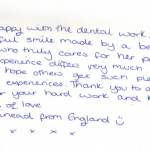
"A new beautiful smile made by a beautiful lady who truly cares for her patients..."
Sinead
Location:- England
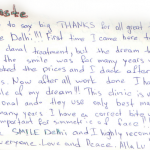

"I have the smile of my dream….This clinic is very professional and they use only best materials..."
Alla Lu
Location:- Russia


"Thank you so much for making my dream come true to have a perfect smile..."
Jacyln Gopinathan
Location:- Mindro Philippines


"I felt very comfortable through my treatment and i had 100% trust in you..."
Arnar Gislason
Location:- Iceland


"Thank you for giving me a smile that i’ve dreamed of for years..."
Yuto Harrison
Location:- Canada
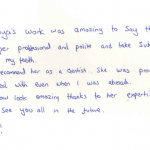

"Dr. Suprriya’s work was amazing…. She is super professional and polite..."
Todd
Location:- Australia
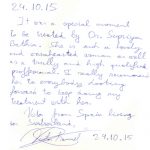

"Dr. Suprriya is such a lovely and warm hearted woman as well as a truly and high qualified professional..."
Victor Vique
Location:- Switzerland
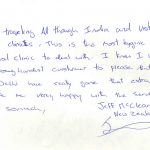

"After travelling all through India and visiting 7 different clinics, this..."
JEFF MC CLEAN
Location:- New Zealand

"From the moment i got here i knew i had made the right decision."


"Thank you so much, Dr. Suprriya! I am so grateful for you and your practice."

"Very attentive and grateful for the results. I will keep in Touch"

"You saved my teeth. Lovely clinic and very professional staff..."


"My teeth are 7-8 shades whiter, thanks to you and your team..."

"Thank you very much dr. suprriya for wonderful treatment for implants and bridge and giving me my smile back."


"Felt in good hands during the whole treatment..."

"Visited many dentist around the world and smile delhi definitely gives you a great smile..."
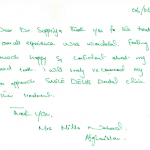

"Over all experience was wonderful…"
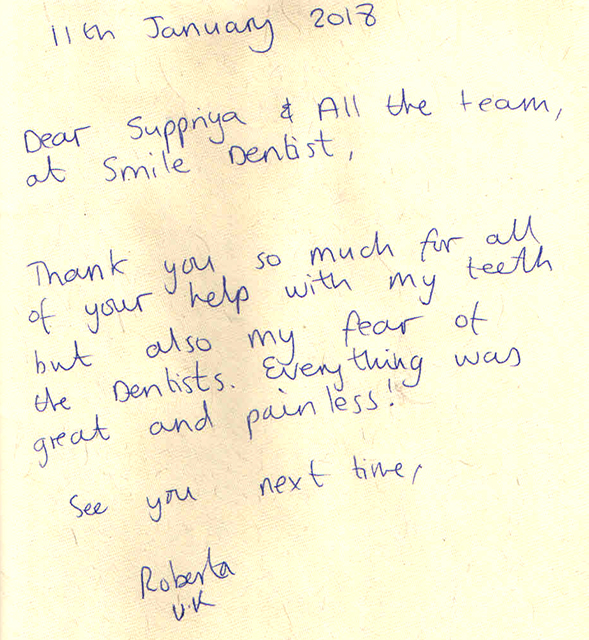
"Every thing was great and pain less !....."
Roberta
Location:- UK

"Dr. Suprriya is such a lovely and warm hearted woman as well as a..."
Victor
Location:- Switzerland


"Didn’t hurt, looked good, felt good, clearly explained and professionally done..."
Jeff
Location:- New zealand

"Dr. Supria is a unic dentice and an exellent person..”, “…honest and direct.."
Yaron Mayer
Location:- Israel Embassy

"Dr. Suprriya is very gentle and excellent human being. A perfect Dentist I...."
Uarely
Location:- Finland


"You treated me gentle as a child!..."
Andreas
Location:- Norway


"You are probably one of the best dentist I have ever been to in the last 50 years..."
Usama
Location:- Saudi Arabia
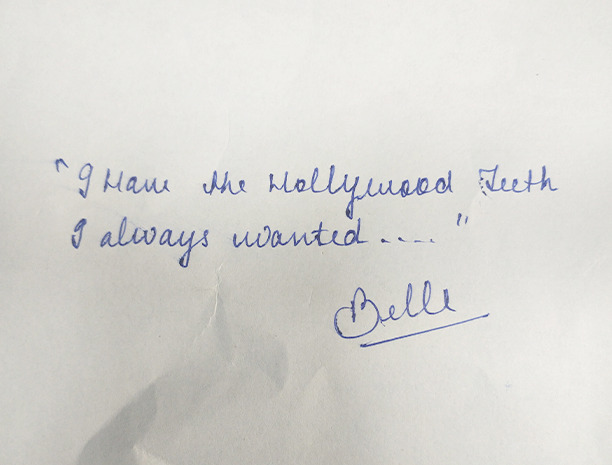

"I have the Hollywood teeth I always wanted…"
Belle
Location:- Canada
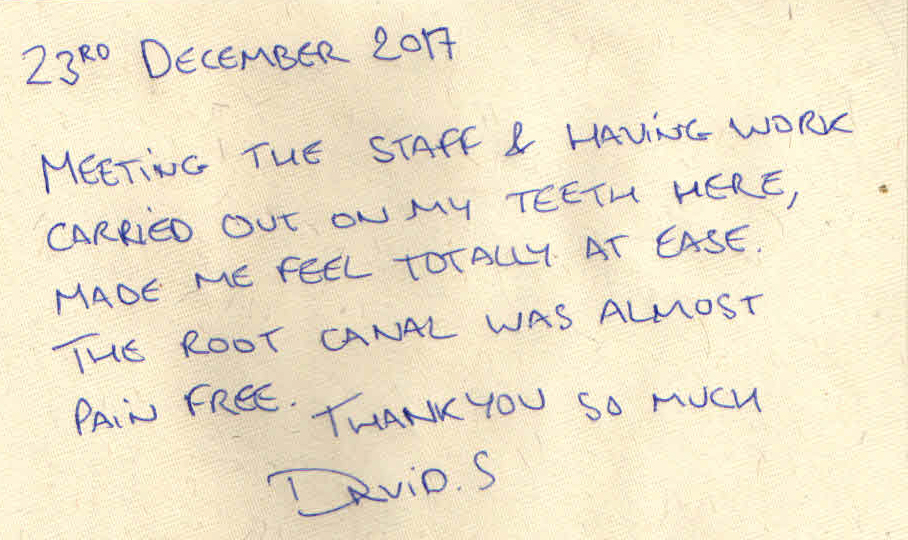
"The root canal was almost pain free....."
David Seeley
Location:- UK
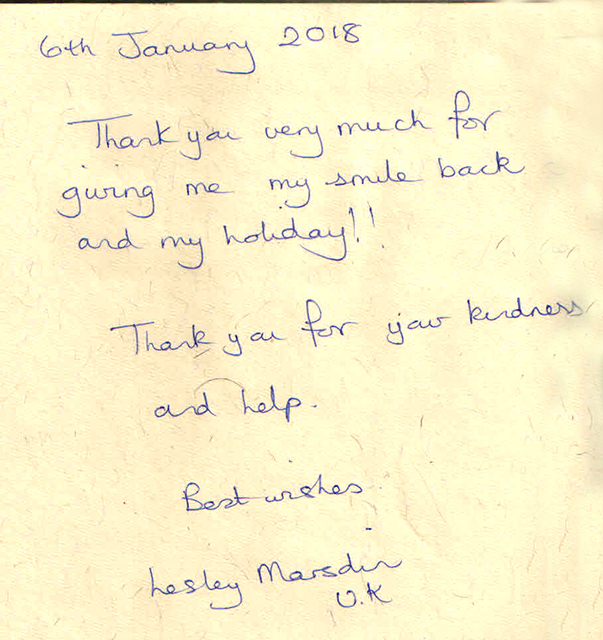
"Thank You very much for giving me my smile back and my holiday!....."
Lesley Marsdin
Location:- UK

"I even laughed when they screwed the posts in ! very professional even enjoyed it a bit"
Laurewce Moon
Location:- UK
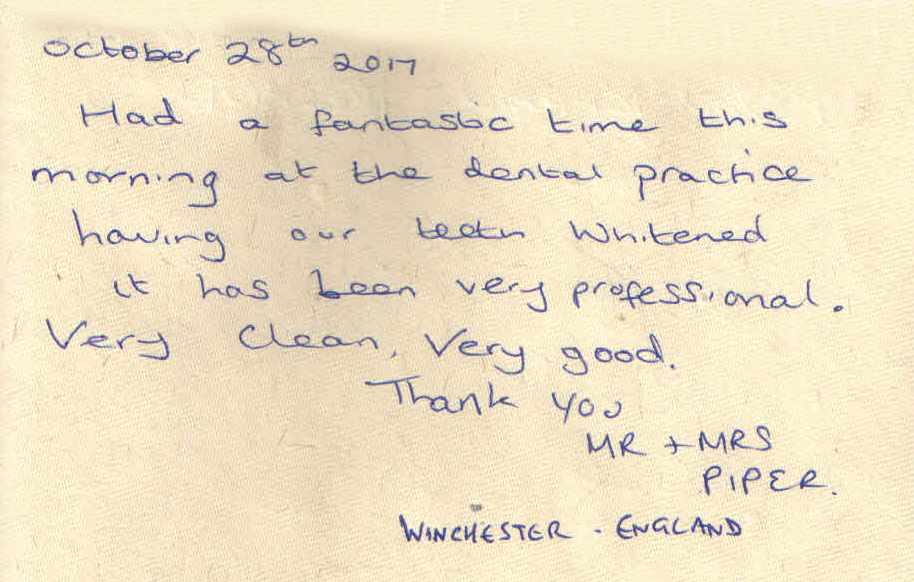
"It has been very professional. Very clean, very good......"
Mr. & Mrs. Piper
Location:-Winchester, England

"My emergency treatment was incredible kind and 1st class....."
Kevin Kahan
Location:- Ireland
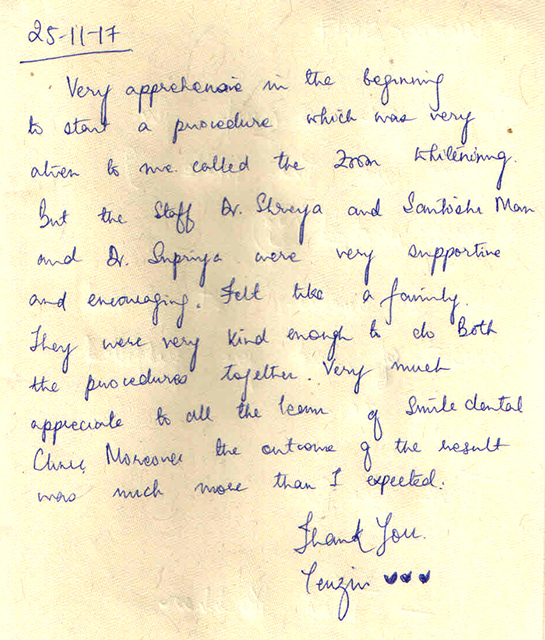

"The result was much more than I expected in zoom whitening....."
Tenzin
Location:- Bhutan
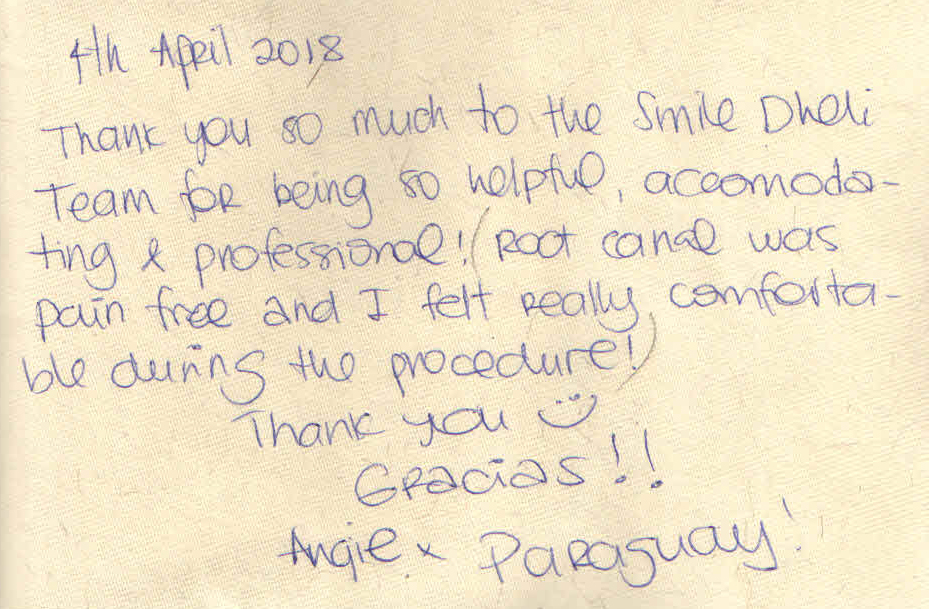

"Root canal was pain free and i felt really comfortable during the procedure....."
Angie
Location:- Paraguay
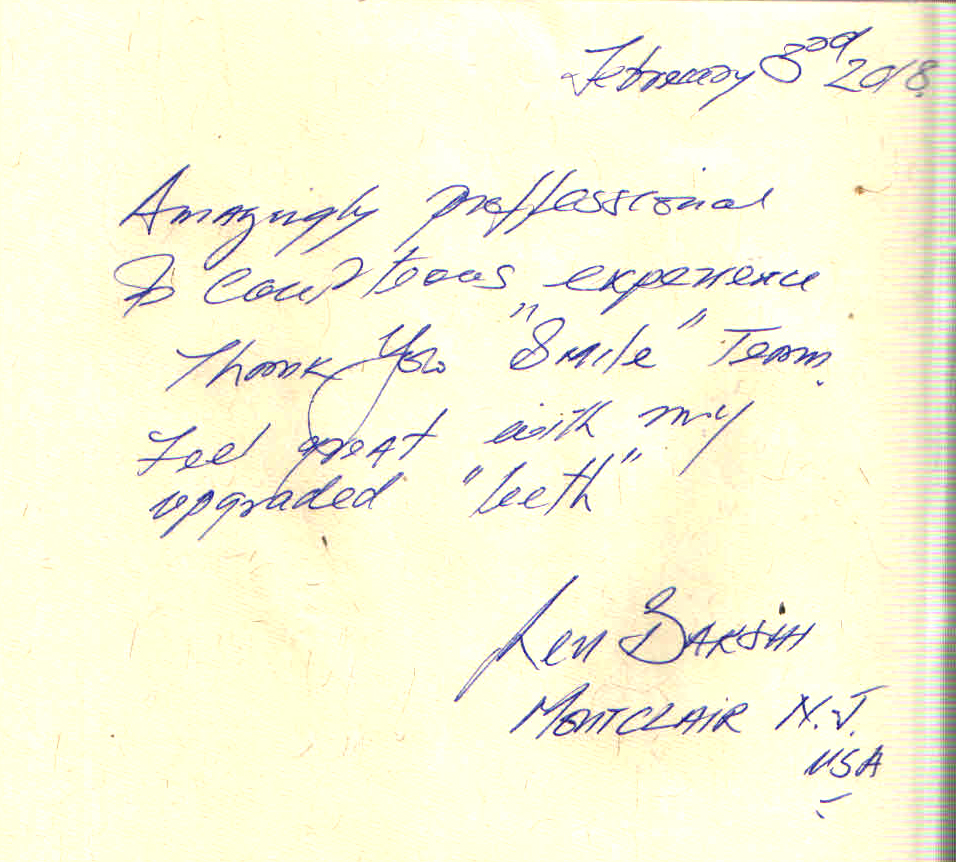
"Amazingly professional and courteous experience......"
Ken Bakshi
Location:- USA


"I had my teeth whitened amazing results!"
Paula Davey
Location:- Australia


"I would like to have sometimes so good dentist in Europe like Dr Suprriya..."
DANNY
Location:- Austria

"I would highly recommend Suprriya to anyone seeking good oral health care..."
ALLISON WEST
Location:- Australia


"Dr Suprriya, I just want to thank you for the very well done..."
MARIO
Location:- Columbia (Diplomat in India)