


Composite Bonding vs Ceramic Veneers: Which Option Saves More Tooth Structure?
A beautiful smile can completely transform the way you look and feel. Modern cosmetic dentistry offers several minimally invasive options to improve chipped, stained, uneven, or worn teeth. Among the most popular treatments today are composite bonding and ceramic veneers. Both procedures can dramatically enhance aesthetics, but patients often ask one important question:
Which treatment saves more natural tooth structure?
The answer is not always straightforward. While composite bonding is often marketed as the most conservative treatment, advancements in modern ceramic veneers have changed the conversation entirely. Today’s ultra-thin ceramic veneers in Delhi can preserve a remarkable amount of enamel while offering superior aesthetics, durability, and long-term stability.
In this detailed guide, we will compare composite bonding and ceramic veneers from every angle: tooth preservation, longevity, aesthetics, maintenance, durability, stain resistance, and overall value to help you understand which option may be best for your smile.
At Smile Delhi – The Dental Clinic, patients are increasingly choosing minimally invasive smile makeovers that prioritize both aesthetics and long-term dental health.
Understanding Composite Bonding
Composite bonding involves applying a tooth-colored resin material directly onto the tooth surface. The dentist sculpts the resin artistically, hardens it with a curing light, and polishes it to match natural teeth.
Composite bonding is commonly used for:
- Chipped teeth
- Minor gaps
- Small cracks
- Uneven edges
- Mild discoloration
- Slightly misshapen teeth
One of the biggest advantages of composite bonding is that it often requires little to no drilling.
Because the material is added directly to the tooth surface, some cases can be completed without removing enamel at all. This is why bonding is often promoted as a “reversible” or “conservative” cosmetic option.
However, the long-term reality is more nuanced.
Understanding Ceramic Veneers
Ceramic veneers are ultra-thin shells made from high-strength dental ceramics such as lithium disilicate or feldspathic porcelain. These shells are bonded permanently to the front surface of the teeth to improve shape, color, symmetry, and alignment.
Modern ceramic veneers are dramatically different from the bulky veneers of decades ago.
Today’s advanced veneer systems are:
- Extremely thin
- Highly aesthetic
- Stronger than ever
- More conservative
- Better bonded to enamel
Modern minimally invasive veneer preparation techniques aim to preserve maximum enamel while creating room for ideal contours and aesthetics. Research consistently shows that enamel preservation is one of the most important factors for veneer longevity and bonding success.

What Does “Saving Tooth Structure” Really Mean?
When dentists discuss tooth preservation, they mainly refer to preserving enamel.
Enamel is the strong outer layer of the tooth. It does not regenerate once removed. Preserving enamel is critical because:
- Bonding to enamel is stronger than bonding to dentin
- Enamel protects teeth from sensitivity
- Teeth remain structurally stronger
- Restorations last longer
- The risk of complications decreases
Studies show ceramic veneers bonded predominantly to enamel have excellent long-term survival rates exceeding 90–95% over many years.
So the true question is not simply:
“Which treatment removes less teeth initially?”
The better question is:
“Which treatment preserves tooth health better over the long term?”
That distinction is extremely important.
Composite Bonding: The Conservative Advantage
There is no doubt that composite bonding can be extremely conservative initially.
In mild cosmetic cases, bonding may involve:
- No drilling
- Minimal roughening
- Surface etching only
- Additive treatment
This makes composite an attractive option for younger patients or patients seeking small aesthetic improvements.
For example, composite bonding works beautifully for:
- Small chips
- Tiny gaps
- Edge reshaping
- Minor asymmetries
In these situations, the tooth structure preserved is excellent.
Composite also has another advantage:
It can usually be repaired directly if chipped.
Unlike ceramic veneers, which often require replacement if fractured, composite can frequently be patched chairside.
The Hidden Problem With Composite Bonding
While composite bonding may preserve more enamel initially, it often requires repeated maintenance over time.
Composite resin has limitations:
- It stains more easily
- It loses polish
- It wears down faster
- It chips more frequently
- It absorbs pigments
- It may discolor unevenly
Most composite bonding requires polishing, repairs, or replacement every few years depending on oral habits and maintenance.
Each repair or replacement can involve:
- Additional roughening
- Removal of old composite
- Further tooth preparation
- Additional bonding cycles
Over many years, this repeated intervention can slowly reduce natural tooth structure.
This is one reason why many experienced cosmetic dentists view long-term tooth preservation differently than simply measuring the initial drilling amount.
Ceramic Veneers Have Become Far More Conservative
Many people still imagine ceramic veneers as aggressive procedures where teeth are shaved down dramatically.
That is outdated dentistry.
Modern minimally invasive ceramic veneers are designed to preserve enamel whenever possible. Advances in smile design, adhesive dentistry, and ultra-thin ceramics have completely changed veneer preparation philosophy.
Research confirms that ultra-conservative veneer preparations can preserve substantial enamel while still achieving exceptional durability and aesthetics.
In fact, some modern ceramic veneers require only:
- 0.3–0.5 mm reduction
- Minimal contouring
- Enamel-only preparation
- Sometimes almost no preparation at all
This level of preparation is remarkably conservative.
Why Enamel Bonding Matters More for Ceramic Veneers
Ceramic veneers bonded to enamel behave exceptionally well biologically and mechanically.
Scientific studies show stronger bond strengths when ceramic veneers are bonded primarily to enamel rather than dentin.
This is important because:
- Better bonding means fewer failures
- Less leakage occurs
- Veneers last longer
- Margins remain healthier
- The restoration behaves more naturally
When done correctly by an experienced cosmetic dentist, ceramic veneers can preserve tooth structure extremely predictably while delivering long-term stability.
Comparing Tooth Reduction: Composite Bonding vs Ceramic Veneers
Composite Bonding
Typical tooth preparation:
- None to minimal
- Mostly additive
- Surface roughening only
Average lifespan:
- 4–7 years
Maintenance:
- Frequent polishing
- Repairs common
- Staining over time
Long-term structural impact:
- Repeated maintenance may gradually affect enamel
Ceramic Veneers
Typical tooth preparation:
- Minimal enamel reduction
- Usually 0.3–0.5 mm
- Highly controlled
Average lifespan:
- 10–20+ years
Maintenance:
- Minimal
- Excellent polish retention
- Strong stain resistance
Long-term structural impact:
- Fewer replacements and repairs
- Better long-term stability
Aesthetics: Ceramic Veneers Clearly Lead
When patients compare composite bonding and ceramic veneers side by side, ceramic veneers almost always provide superior aesthetics.
Why?
Because ceramic mimics natural enamel exceptionally well.
High-quality ceramics possess:
- Depth
- Translucency
- Light reflection
- Surface texture
- Natural fluorescence
Composite resin simply cannot replicate these optical properties to the same level.
Ceramic veneers also maintain their gloss and brightness for years, whereas composite tends to become dull over time.
This is one major reason why celebrities, actors, models, and professionals often prefer ceramic veneers for smile makeovers.
Stain Resistance: A Huge Advantage for Ceramic Veneers
Composite resin is porous compared to ceramic.
That means composite can absorb:
- Coffee stains
- Tea stains
- Wine pigments
- Tobacco discoloration
- Curry and spices
Ceramic veneers are highly stain-resistant.
This allows patients to maintain brighter smiles for many years with less maintenance.
For patients seeking long-term whiteness and aesthetic stability, ceramic veneers are often the superior choice.
Strength and Durability
Modern ceramics are incredibly strong.
Lithium disilicate veneers, when properly bonded to enamel, show excellent fracture resistance and long-term clinical success.
Composite bonding, although useful, is softer and more prone to:
- Chipping
- Wear
- Surface degradation
Patients with:
- Teeth grinding
- Heavy bite forces
- Edge-to-edge bites
- Significant wear
often benefit more from ceramic restorations because of their superior strength and stability.
Which Treatment Is More Reversible?
Composite bonding is generally more reversible than ceramic veneers.
In many cases, bonding can be removed with minimal damage if very little enamel was altered initially.
Ceramic veneers, however, are usually considered irreversible because some enamel preparation is often required.
That said, modern minimally invasive veneers preserve far more tooth structure than older techniques.
The idea that all veneers require “aggressive shaving” is simply inaccurate in modern cosmetic dentistry.
The Skill of the Dentist Matters More Than the Material
This is perhaps the most important factor of all.
Poorly done composite bonding can:
- Look bulky
- Stain rapidly
- Break repeatedly
- Trap plaque
Poorly done ceramic veneers can:
- Over-reduce teeth
- Create sensitivity
- Look unnatural
- Damage gums
Excellent cosmetic dentistry depends heavily on:
- Smile design
- Facial proportions
- Enamel preservation
- Bite analysis
- Adhesive protocols
- Artistic skill
An experienced cosmetic dentist focuses on preserving maximum enamel regardless of the treatment chosen.
At Smile Delhi – The Dental Clinic, conservative smile design principles are often prioritized to ensure both aesthetics and long-term oral health.
When Composite Bonding Is the Better Choice
Composite bonding may be ideal if:
- You have minor cosmetic issues
- You are very young
- You want a lower-cost option
- You want minimal or no drilling
- You need small repairs
- You are uncertain about permanent cosmetic treatment
Composite is especially useful for:
- Tiny chips
- Small spacing
- Edge bonding
- Temporary smile enhancement
When Ceramic Veneers Are the Better Choice
Ceramic veneers may be the superior option if:
- You want a complete smile makeover
- You desire maximum aesthetics
- You want long-term stain resistance
- You want superior durability
- You have moderate discoloration
- You have worn teeth
- You want long-lasting results
Modern ceramic veneers combine:
- Exceptional beauty
- Conservative preparation
- Long-term stability
- Excellent strength
- Superior color stability
For many patients, they represent the most predictable long-term cosmetic solution.
The Rise of “No-Prep” and Ultra-Thin Veneers
Recent trends in cosmetic dentistry have shifted toward ultra-conservative ceramic veneers.
“No-prep” or “minimal-prep” veneers aim to preserve nearly all natural enamel while improving aesthetics dramatically.
These veneers are:
- Extremely thin
- Highly aesthetic
- Bonded primarily to enamel
- More conservative than traditional approaches
However, not every patient is a candidate.
Successful no-prep veneers require:
- Proper tooth alignment
- Adequate space
- Correct bite relationships
- Careful smile planning
The procedure is highly technique-sensitive and requires advanced cosmetic expertise.
Cost Comparison
Composite bonding is initially less expensive.
However, long-term maintenance costs can accumulate because of:
- Repairs
- Re-polishing
- Replacements
Ceramic veneers cost more upfront but often require significantly less maintenance over time.
When evaluated over 10–15 years, ceramic veneers may actually provide better long-term value for many patients.
What Do Most Cosmetic Dentists Prefer?
Among elite cosmetic dentists worldwide, ceramic veneers are still widely considered the gold standard for smile makeovers.
Why?
Because they consistently deliver:
- Superior aesthetics
- Long-term color stability
- Exceptional durability
- Natural translucency
- Predictable longevity
Composite bonding remains an excellent treatment in selected cases, but ceramic veneers continue to dominate high-end cosmetic dentistry for comprehensive smile transformations.
Final Verdict: Which Saves More Tooth Structure?
If we only consider the initial procedure, composite bonding often preserves slightly more tooth structure.
But if we consider:
- Long-term maintenance
- Durability
- Replacement frequency
- Enamel preservation over decades
- Biological stability
- Bond longevity
then modern minimally invasive ceramic veneers can actually be one of the most tooth-preserving long-term cosmetic solutions available.
The key lies in:
- Proper diagnosis
- Conservative preparation
- Enamel preservation
- Expert smile design
- Skilled adhesive techniques
Modern ceramic veneers are no longer the aggressive cosmetic procedure many people imagine them to be.
When performed correctly by an experienced cosmetic dentist, they offer an exceptional balance of:
- Tooth preservation
- Strength
- Beauty
- Longevity
- Stability
If you are considering a smile makeover, consult an experienced Smile Delhi – The Dental Clinic or an expert cosmetic Smile Delhi – The Dental Clinic to determine which option is ideal for your smile goals, bite, and long-term oral health. Patients searching for the best dental clinic in Delhi or a trusted dentist in Delhi should always prioritize conservative cosmetic dentistry that protects natural enamel while delivering beautiful, natural-looking results.
Schedule Your Consultation
Visit the best dental clinic in South Delhi today to learn how zirconia crowns and bridges can restore your smile with strength and confidence.
Sources
- BMC Oral Health – Shear bond strength of ceramic laminate veneers
Discusses how preserving enamel improves veneer bond strength and long-term success.
BMC Oral Health Study on Ceramic Veneer Bond Strength - PubMed – Fracture strength of CAD/CAM ceramic laminate veneers
Explains durability and fracture resistance of ceramic veneers bonded to enamel.
PubMed Study on Ceramic Veneer Fracture Strength - Journal of Prosthetic Dentistry – Clinical survival and complication rate of ceramic veneers
Systematic review showing higher survival rates of veneers bonded to enamel.
Journal of Prosthetic Dentistry Review on Ceramic Veneers - PMC – Enamel bonding and ceramic restorations
Explains why enamel bonding is stronger and more durable than dentin bonding.
PMC Article on Enamel Bonding for Ceramic Restorations - PubMed – Ultrathin ceramic laminate veneers
Discusses minimally invasive ultra-thin veneers and periodontal outcomes.
PubMed Study on Ultrathin Ceramic Veneers - ScienceDirect – Effect of bleaching and enamel characteristics on ceramic veneer bonding
Useful for discussing enamel surface preservation and bonding quality.
ScienceDirect Study on Ceramic Veneer Bonding
Posted by Dr.Twesha

Dr. Suprriya B. Bhatia is a highly experienced dental professional with over 25 years of clinical expertise. A leading dentist in South Delhi, she is the founder of Smile Delhi – The Dental Clinic and specialises in cosmetic dentistry, dental implants, and smile makeovers. Dr. Suprriya B. Bhatia is known for her compassionate, patient-centred approach and commitment to creating healthy, confident smiles for patients from India and abroad.


"Extremely good service and care..."
Tim Gound
Location:- U. K.


"The standard of the clinic is like a first country’s clinic..."
PEDRO MORAES
Location:- Brazil


"Me and my family were very reluctant to undergo my dental treatment in India, but..."
RICHARD SALDANHA
Location:- Peru, South America


"The hygiene is good, the care up to European standards if not better. Strong on explaining..."
THOMAS BAINS
Location:- European Commission
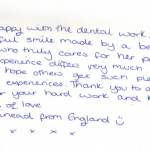
"A new beautiful smile made by a beautiful lady who truly cares for her patients..."
Sinead
Location:- England
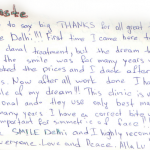

"I have the smile of my dream….This clinic is very professional and they use only best materials..."
Alla Lu
Location:- Russia


"Thank you so much for making my dream come true to have a perfect smile..."
Jacyln Gopinathan
Location:- Mindro Philippines


"I felt very comfortable through my treatment and i had 100% trust in you..."
Arnar Gislason
Location:- Iceland


"Thank you for giving me a smile that i’ve dreamed of for years..."
Yuto Harrison
Location:- Canada
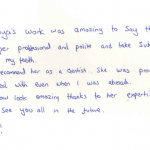

"Dr. Suprriya’s work was amazing…. She is super professional and polite..."
Todd
Location:- Australia


"Dr. Suprriya is such a lovely and warm hearted woman as well as a truly and high qualified professional..."
Victor Vique
Location:- Switzerland


"After travelling all through India and visiting 7 different clinics, this..."
JEFF MC CLEAN
Location:- New Zealand

"From the moment i got here i knew i had made the right decision."


"Thank you so much, Dr. Suprriya! I am so grateful for you and your practice."

"Very attentive and grateful for the results. I will keep in Touch"

"You saved my teeth. Lovely clinic and very professional staff..."


"My teeth are 7-8 shades whiter, thanks to you and your team..."

"Thank you very much dr. suprriya for wonderful treatment for implants and bridge and giving me my smile back."
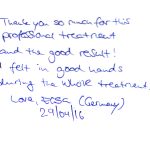

"Felt in good hands during the whole treatment..."

"Visited many dentist around the world and smile delhi definitely gives you a great smile..."

"Over all experience was wonderful…"
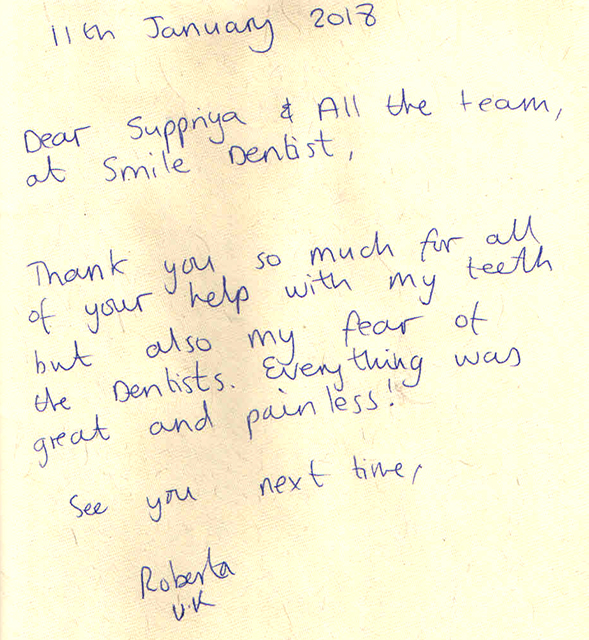
"Every thing was great and pain less !....."
Roberta
Location:- UK

"Dr. Suprriya is such a lovely and warm hearted woman as well as a..."
Victor
Location:- Switzerland

"Didn’t hurt, looked good, felt good, clearly explained and professionally done..."
Jeff
Location:- New zealand

"Dr. Supria is a unic dentice and an exellent person..”, “…honest and direct.."
Yaron Mayer
Location:- Israel Embassy

"Dr. Suprriya is very gentle and excellent human being. A perfect Dentist I...."
Uarely
Location:- Finland


"You treated me gentle as a child!..."
Andreas
Location:- Norway


"You are probably one of the best dentist I have ever been to in the last 50 years..."
Usama
Location:- Saudi Arabia

"I have the Hollywood teeth I always wanted…"
Belle
Location:- Canada

"The root canal was almost pain free....."
David Seeley
Location:- UK
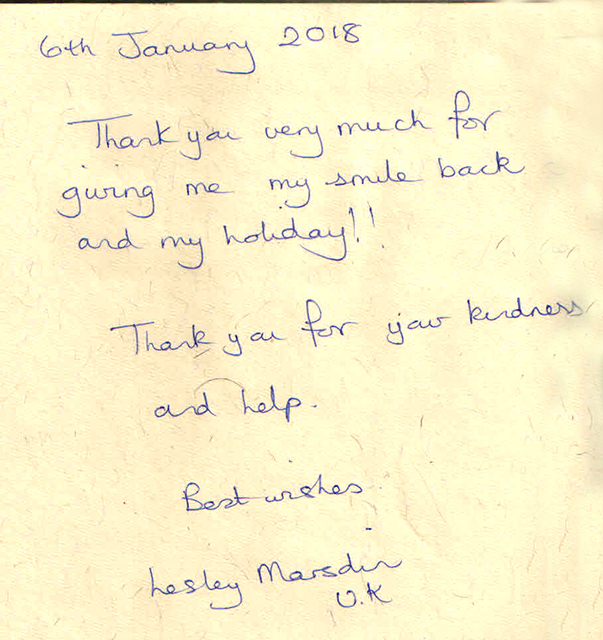
"Thank You very much for giving me my smile back and my holiday!....."
Lesley Marsdin
Location:- UK

"I even laughed when they screwed the posts in ! very professional even enjoyed it a bit"
Laurewce Moon
Location:- UK
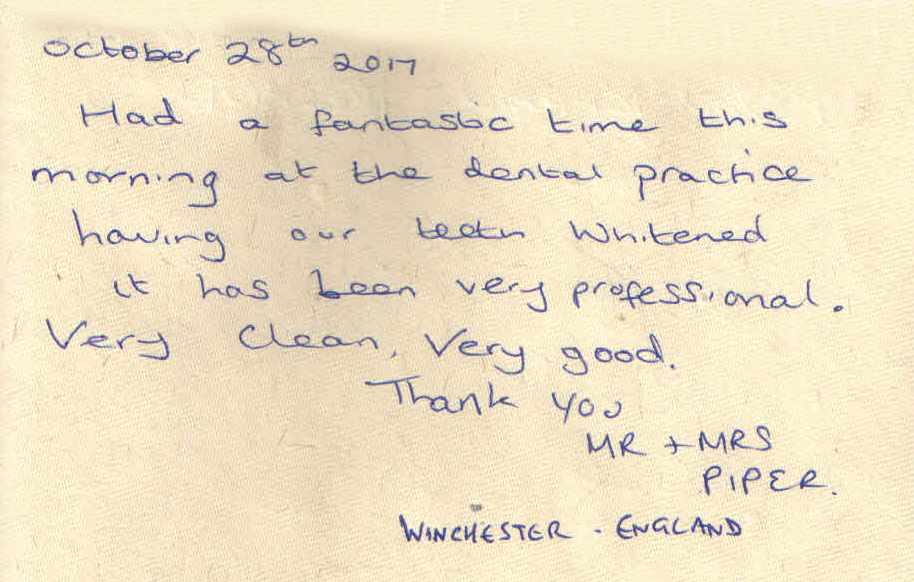
"It has been very professional. Very clean, very good......"
Mr. & Mrs. Piper
Location:-Winchester, England

"My emergency treatment was incredible kind and 1st class....."
Kevin Kahan
Location:- Ireland
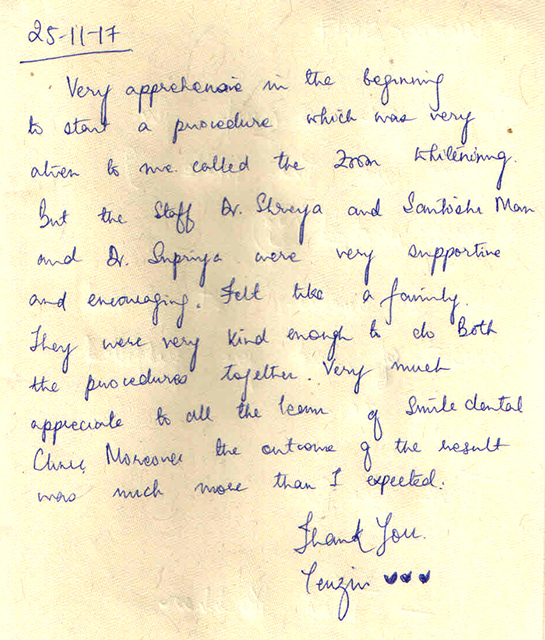

"The result was much more than I expected in zoom whitening....."
Tenzin
Location:- Bhutan
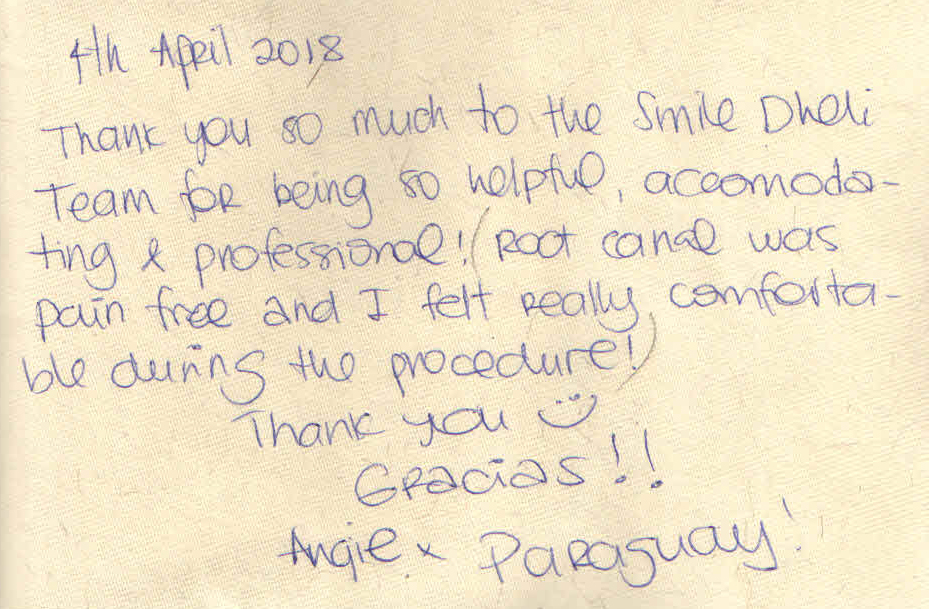

"Root canal was pain free and i felt really comfortable during the procedure....."
Angie
Location:- Paraguay
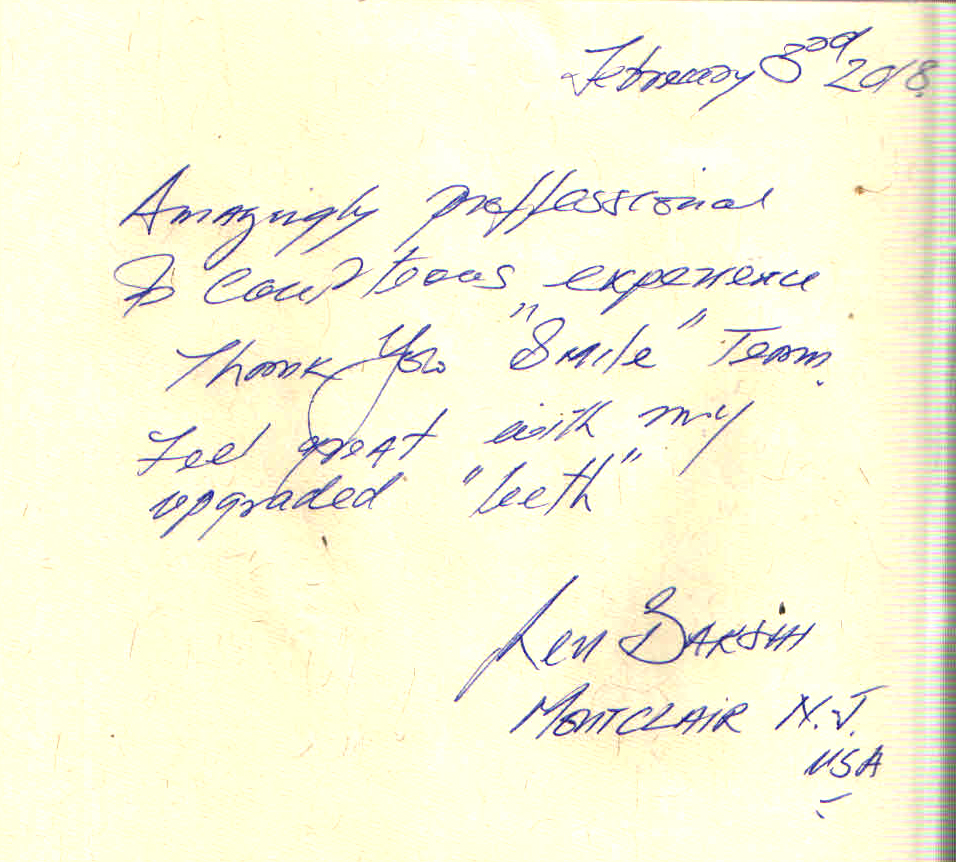
"Amazingly professional and courteous experience......"
Ken Bakshi
Location:- USA


"I had my teeth whitened amazing results!"
Paula Davey
Location:- Australia


"I would like to have sometimes so good dentist in Europe like Dr Suprriya..."
DANNY
Location:- Austria

"I would highly recommend Suprriya to anyone seeking good oral health care..."
ALLISON WEST
Location:- Australia


"Dr Suprriya, I just want to thank you for the very well done..."
MARIO
Location:- Columbia (Diplomat in India)